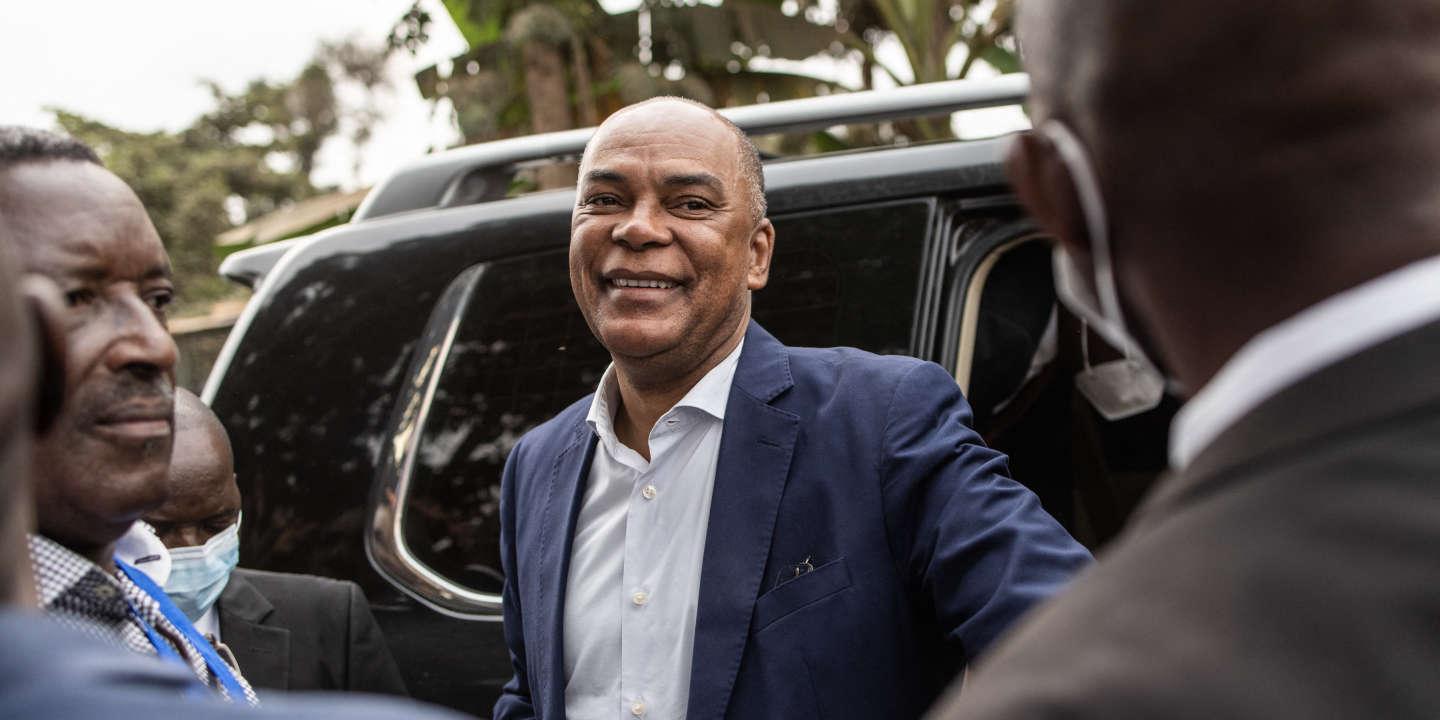
Africa-Press – Angola. UNITA deputy Adriano Sapinãla defended this Wednesday, in Luanda, greater investment in the agricultural sector, in order to boost the national economy.
For investment in agriculture, the Executive has guaranteed 43 billion kwanzas to finance the National Development Plan for Grain Production (Planagrão).
The plan will initially be developed in the provinces of Moxico, Lunda Norte, Lunda Sul and Cuando Cubango, in an area of two million hectares, and each of the provinces has a quota of 500 thousand hectares.
Scheduled in 2022, the program has financing from the Development Bank of Angola (BDA), of more than two billion kwanzas, and aims to double grain production by 2027, in order to guarantee food self-sufficiency in the country. .
Planagrão involves promoting large-scale production of wheat, rice, soybeans and corn, improving soil productivity and profitability, increasing agricultural entrepreneurs and employment, promoting the value chain and guaranteeing an income fixed to producers.
According to the politician, who spoke during a round table at the 5th edition of the knowledge workshop under the theme “the State of the Nation“, the country cannot depend solely on oil, there is a need to diversify the economy in order to also reduce youth unemployment and food shortages for the population.
The deputy also added that the Angolan Executive should look into the rehabilitation of roads, to facilitate the flow of rural products and help attract private investment.
Jurist Tito Cambaje said he hopes that the President of the Republic, João Lourenço, will make, during the speech on the State of the Nation scheduled for Monday, as part of the opening of the parliamentary year 2023-2024, an assessment around of projects carried out at country level for the good of the people.
Tito Cambaje listed some of the projects in the education sector, including the construction of more classrooms throughout the country, within the framework of the Integrated Program for Intervention in Municipalities (PIIM), as well as the provision, this year, of 8 thousand teachers in the education system.
In the health sector, the political analyst also mentioned the construction of health units throughout the country, within the scope of PIIM, and the inclusion of 8 thousand doctors and nurses in the health system.
Among the gains, he also highlighted the increase in the production of energy and drinking water.
For her part, political analyst Margareth Nanga says she expects the Angolan statesman to point out solutions in social aspects, fundamentally in the economic sector, in order to reduce the crisis in which the country finds itself immersed.
For More News And Analysis About Angola Follow Africa-Press