Africa-Press – Angola. The delay in the payment of scholarships in the 2022-2023 academic year was due to a new methodology, which establishes the allocation of amounts directly to higher education institutions, to avoid constraints.
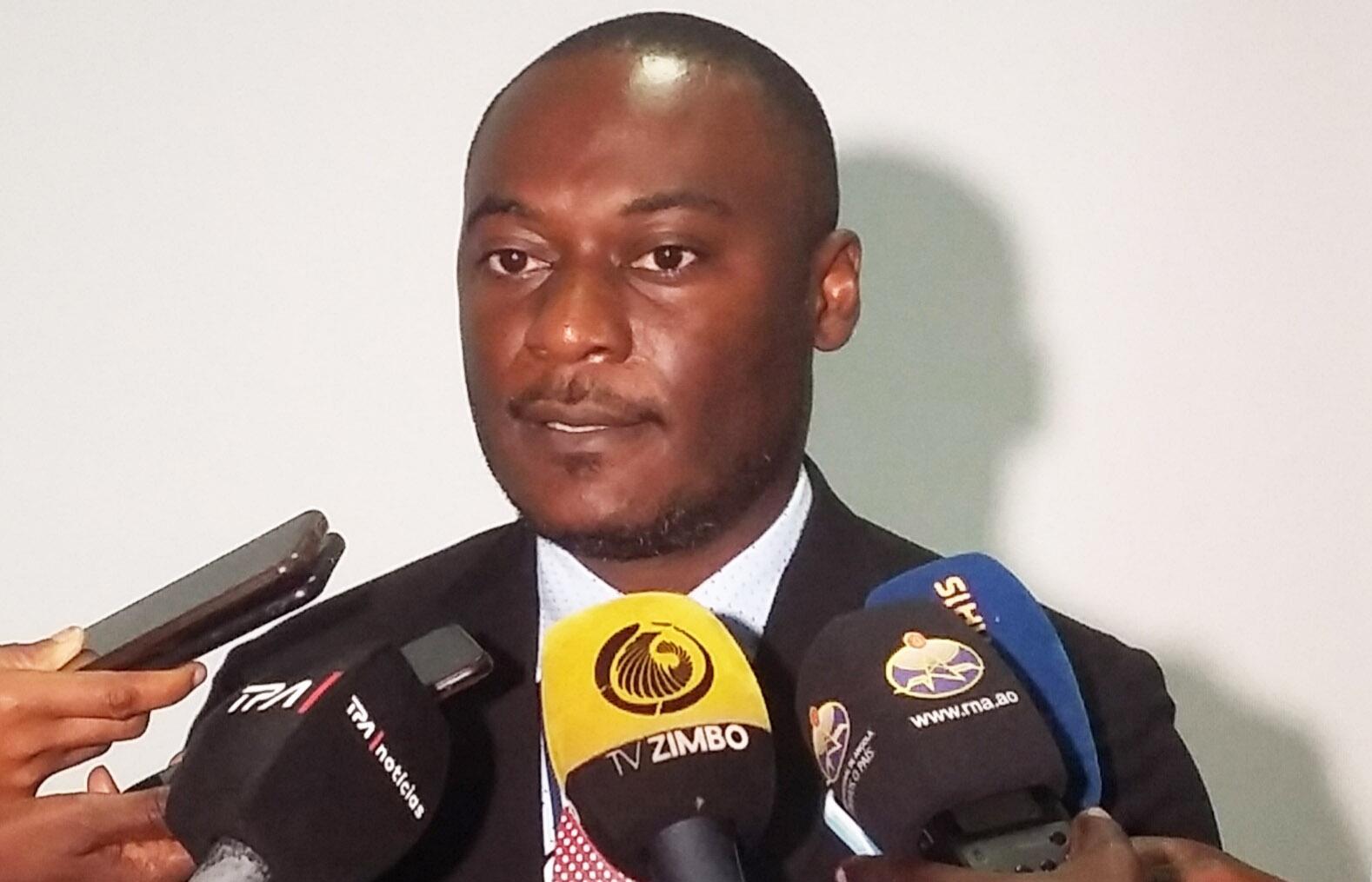
The information comes from the general director of the National Institute of Scholarship Management (INAGBE), Milton Chivela, in statements on the sidelines of the 1st National Forum on Policies for the Attribution and Management of Scholarships, held in Benguela.
Milton Chivela recalled that, before leaving Luanda, heading to Benguela, for this forum, there were more than 200 complaints from students who had not yet received the additional scholarships, but he assured that work was being done to resolve the situation.
“These are students who have complied with all the procedures and are duly legalized in terms of what their scholarship is,” he said, ensuring that they will have the right and access to the subsidy that is theirs.
In his opinion, delays in the payment of scholarships are a reality, especially in the academic year ending 2022-2023.
“We had a new modality in the payment methodology for our internal scholarship holders”, he noted.
New methodology
Adapting to the new methodology, introduced by INAGBE in the academic year just ended, has generated delays in scholarship payments, but Milton Chivela highlights the work underway to speed up the process.
According to the source, previously, payment was made directly to the students’ bank accounts, who, in turn, were responsible for paying the course fees to the institutions.
“Unfortunately, some of our students did not honor their commitments to educational institutions”, denounced the general director of INAGBE.
He also added that the resources from the scholarship for students’ higher education were used for other purposes.
Therefore, a change was made to the regulations governing scholarships, meaning that from now on INAGBE pays the tuition fee directly to the higher education institution and the remaining amount is paid to the scholarship student.
Flexibility
Milton Chivela highlighted that, to materialize this aim, based on a Presidential Decree, a protocol was signed with all private higher education institutions across the country, so that there is some flexibility with students.
In the event of a delay in the processing of the scholarship by INAGBE, he says that this flexibility on the part of the institutions means that the student is not harmed, that is, they are not removed from the classroom nor are they denied access to exams.
For him, this process had a period of learning both on the institutions’ side and on INAGBE’s side, which created some constraints in the operationality of the process.
Electronic tool
As part of this new methodology, an electronic tool was implemented where institutions could access and enter the tuition fee for each student.
According to the interviewee, this allows INAGBE to make the appropriate deduction of the tuition fee to be paid to the institution and the remainder to be given to the student.
“As I said, there was some delay on the part of some institutions in filling out this element, which naturally culminated in a delay in processing student grants,” he acknowledged.
In any case, he highlighted that this information was passed on to students, associations and educational institutions.
“The academic community has the information and we have also published it on our pages, we make a lot of use of Facebook, which is very popular in the student community”, he concluded.
For More News And Analysis About Angola Follow Africa-Press