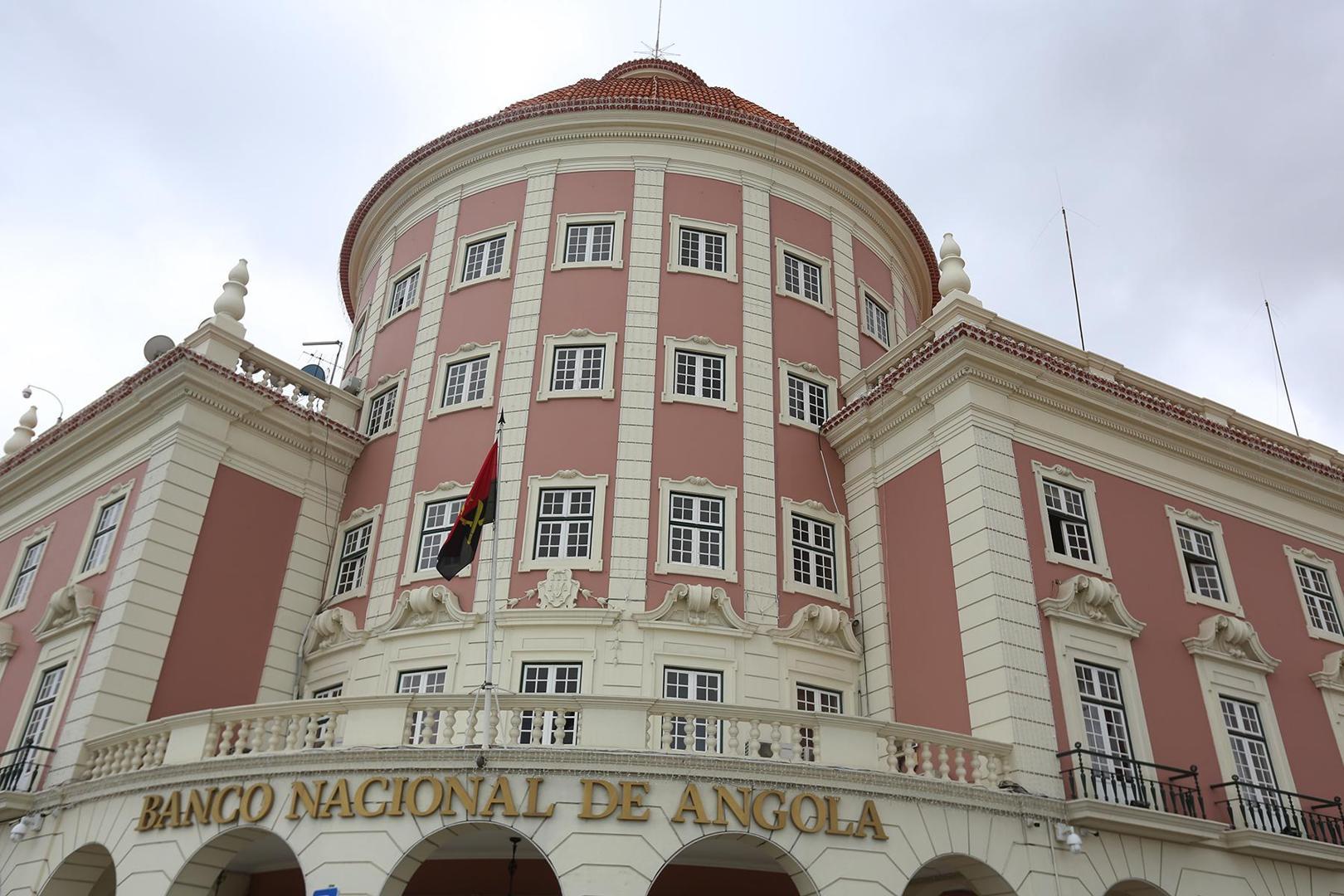
Africa-Press – Angola. The BNA rate rose from 17 to 18%, while the interest rates on the permanent liquidity-providing facility increased from 17.5 to 18.5% and on the permanent liquidity-absorbing facility from 13.5 to 17.5 %, with a view to changing the current scenario of the monetary or interbank market in the country.
According to the National Bank of Angola (BNA), the measure also includes an increase in the coefficient of mandatory reserves in national currency to 18%, as well as the elimination of the custody fee on excess free reserves of banking financial institutions deposited in the BNA.
According to the governor of the BNA, Manuel Tiago Dias, the increase in interest rates is justified by the growing trend of inflation in goods and services, a fact that could compromise the objective of achieving a single-digit inflation rate in the medium term. .
Regarding the elimination of the custody fee applicable to the excess of free reserves deposited by commercial banks with the BNA, the Central Bank manager justified this measure by the fact that the objective of mobilizing idle resources in the banking financial system was met, for the strengthening financial intermediation.
In a press conference, which aimed to present the decisions taken from the 114th meeting of the Monetary Policy Committee (CPM), held on the 20th and 21st of this month, in Luanda, Manuel Tiago Dias clarified that, indirectly, they intend to change the current scenario of the money or interbank market.
In other words, he clarified, the increase in interest rates is a clear signal that the BNA gives to the market, in general, and to commercial banks, in particular, about the new direction of monetary policy.
Regarding the growing trajectory of inflation on the main goods and services, Manuel Tiago Dias recalled that there is a set of measures taken by the Angolan Executive to increase the supply of the most consumed products in the country.
He pointed to incentives for national production and the reduction of Value Added Tax (VAT) from 14 to 5% on consumer goods as two of the measures that could mitigate the growing rise in prices in the Angolan economy.
Regarding the increase in the aforementioned interest rates, Angolan economist José Lumbo considers that, with this decision by the BNA, a reduction in investments in the economy is expected, because businesspeople will feel uncomfortable requesting loans from commercial banks, in function of increasing the rental price of the capital to be granted.
“As the interest rate is the amount paid for borrowing money, people may give up using credit for investment, taking into account the high rates, as avoiding costs is normally a rational practice for each economic agent”, he clarified.
According to José Lumbo, the same scenario also covers ordinary citizens, who have a direct relationship with commercial banks. In other words, the increase in interest rates has a negative impact on consumer credit, because the debtor will also pay a higher cost to the creditor.
For the economist, this impact, which does not affect people who have ongoing credit, could be felt between one and three months, a period in which there will be a retraction in loans for investment and consumption.
However, the increase in interest rates will be beneficial for people who wish to apply/invest their money in commercial banks, which could have an attractive return, according to José Lumbo.
On the other hand, the economist pointed out the possibility of the BNA verifying excess liquidity in the national market, a fact that has caused growing inflation on essential goods for consumption, as one of the reasons that underlies the Monetary Policy Committee’s increase in interest rates.
“Normally, inflation can also be seen as a monetarist phenomenon, that is, when there is an excess of money on the market it also generates an increase in prices for goods and services”, he concluded.
According to the BNA, the current inflation trajectory recommends maintaining the restrictive direction of monetary policy, with a view to aligning it with the medium-term objective, a situation that will continue to be monitored by the Central Bank.
The next meeting of the Monetary Policy Committee (CPM) is scheduled for the 18th and 19th of January 2024.
For More News And Analysis About Angola Follow Africa-Press