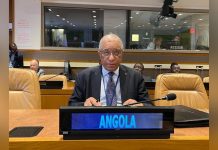
Africa-Press – Angola. Angola presented this Wednesday, in Geneva, Switzerland, its III Commercial Policy Examination (EPC) at the World Trade Organization (WTO).
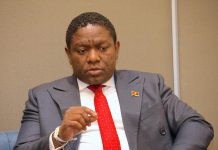
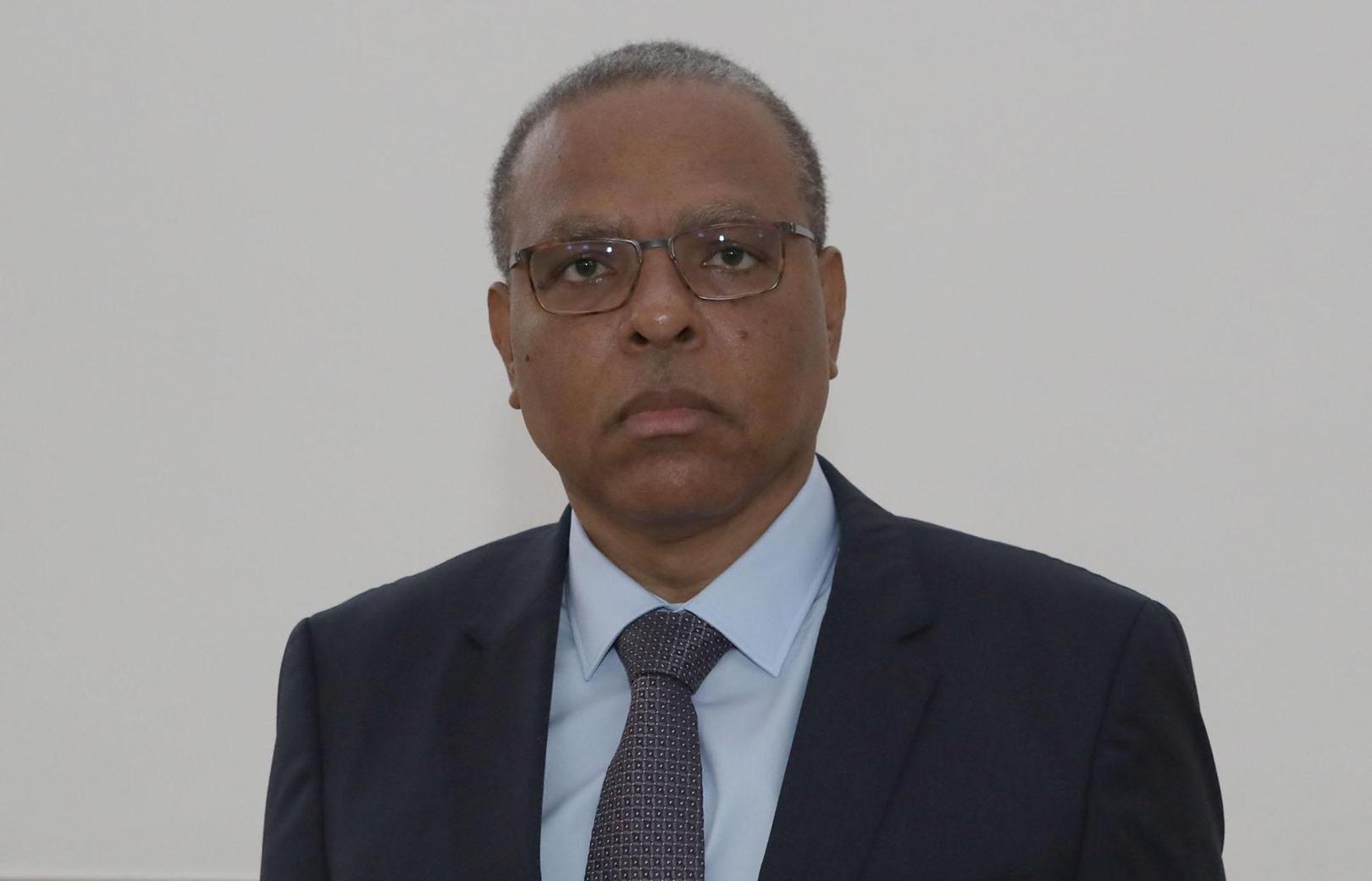
The document was presented by the Minister of Industry and Commerce, Rui Miguêns de Oliveira, who led the Angolan delegation to the work of the WTO meeting held from the 18th to the 20th of this month, in Geneva, the organization’s headquarters.
According to a press, in Luanda, the EPC is part of the Trade Policy Review Mechanism (MEPC), which aims to help WTO Member States comply with the rules, disciplines and commitments of the Agreements of this international organization.
The MEPC also aims to facilitate the functioning of the Multilateral Commercial System, for greater transparency and better understanding of commercial policies and practices applied by Member States, the note states.
The document explains that the periodicity for carrying out the EPC varies depending on the countries’ participation in international trade, aligned with the three existing categories (developed, developing and less advanced countries).
With the update of the periodicity, in July 2017, Member States will now carry out their EPC, respectively, every three, five and seven years, depending on the category.
In the case of Angola, the note adds, the EPC is carried out every seven years.
In this year’s work session, Angola presented the lines of the report produced by the Government, highlighting the ongoing process of economic diversification, accompanied by reforms in the legislative and administrative domain.
In these reforms, the emphasis is on the Private Investment Law, the Law on the Delimitation of Sectors of Economic Activity, the High Security Tax Stamp Program, Presidential Decree 213/23 and other revisions underway in the country.
In his intervention at this Wednesday’s session, minister Rui de Oliveira responded to questions raised by countries such as Brazil, the United States, the United Kingdom, China, Turkey, Ireland, Japan, Singapore and the Union European.
He indicated that the questions essentially focused on the PRODESI program and Presidential Decree 23/19, as an instrument that targets a wide range of products for economic diversification and import substitution, starting with basic basket goods.
He clarified that PRODESI, approved by Presidential Decree No. 168/18, of 20 July, as a Government program for economic diversification, is in accordance with the principles of multilateral trade defended by the WTO.
As such, he continued, its logic is linked to the need to diversify exports through the promotion of national production, which “will naturally lead, to a certain extent, to a reduction in imports of the products in question”.
He stated that the approval of PRODESI did not imply quantitative restrictions on imports, a fact proven by the record of the trade balance of imported products, previously covered by the diploma, but with the annual value of imports remaining high until the moment of approval of the Legal Regime of Incentives for National Production.
The minister also emphasized that the reforms underway in the country demonstrate the Government’s clear intention that Angola is open for business.
On the sidelines of the Geneva meeting, minister Rui Miguêns de Oliveira was received in audience by the director-general of the WTO, Ikonjo lweala, and by the secretary-general of the Organization of the United Nations Conference on Trade and Development (UNCTAD), Rebeca Grynspan.
For More News And Analysis About Angola Follow Africa-Press