Africa-Press – Angola. Angola participates, from the 3rd to the 5th of the current month, in the 76th Conference of Ministers of Health of the Community of Eastern, Central and Southern Africa (ECSA-HC), with a view to strengthening the country’s commitment to regional cooperation in the health sector.
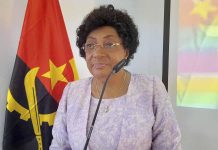
According to a press release on Wednesday (04), in Luanda, the event is taking place in the Kingdom of Eswatini and the Angolan delegation is headed by the minister of Health, Sílvia Lutucuta, and includes senior officials from the sector.
The event serves as a reflection and demonstrates the Angolan Government’s continued commitment to health diplomacy and regional cooperation, the document reads.
During her stay in Eswatini, the minister of Health has already held bilateral meetings with the Deputy Prime Minister of Eswatini, Bemagquba Dlamini, and with the Minister of Health, Mduduzi Matsebula, to strengthen the dialogue of friendship and cooperation between the countries.
Sílvia Lutucuta attended the plenary sessions and debates on the main health challenges and priorities in the region, highlighting Angola’s presence in discussions on public health policies and programs.
“Our presence at this conference reaffirms Angola’s commitment to regional cooperation in health and to strengthening our health systems,” the minister stated.
She noted that it is essential for public bodies and society to monitor and engage in initiatives that promote the health of the population, especially women, children, and adolescents, as well as in preparedness for health emergencies and disease prevention.
Minister Sílvia also participated in a panel on progress in the health of women, children, and adolescents, where they shared experiences on strategies for reducing maternal and infant mortality.
For Angola, she emphasized, these discussions reinforce the need to continue investing in prenatal care and in the training of health professionals.
Discussions on regional data integration highlighted the importance of digital health systems for monitoring and decision-making.
According to the document, Angola has made progress in implementing platforms that allow for the monitoring of essential indicators for more effective public policies.
In the Non-Communicable Diseases (NCDs) panel, the urgency of addressing risk factors such as obesity and malnutrition among adolescents was emphasized.
The official also participated in the debate on resilience in health emergencies, a central theme for the region, because the experience shared by other Member States will be useful for improving rapid response protocols and strengthening Angola’s capacity in outbreak and epidemic situations.
In addition to the plenary sessions, parallel ministerial meetings were held, notably a breakfast meeting promoted by the Minister of Health of Zimbabwe, dedicated to global commitments in eye health.
Angola’s participation in the conference reinforces the country’s role as a strategic partner in regional health cooperation, contributing to more resilient, inclusive, and efficient health systems throughout East, Central, and Southern Africa.