Africa-Press – Angola. The true success and longevity of the African Continental Free Trade Area (AfCFTA) will depend on the ability to guarantee inclusive, fair and broadly participatory economic integration, with special attention to women, youth and the vast African informal sector.
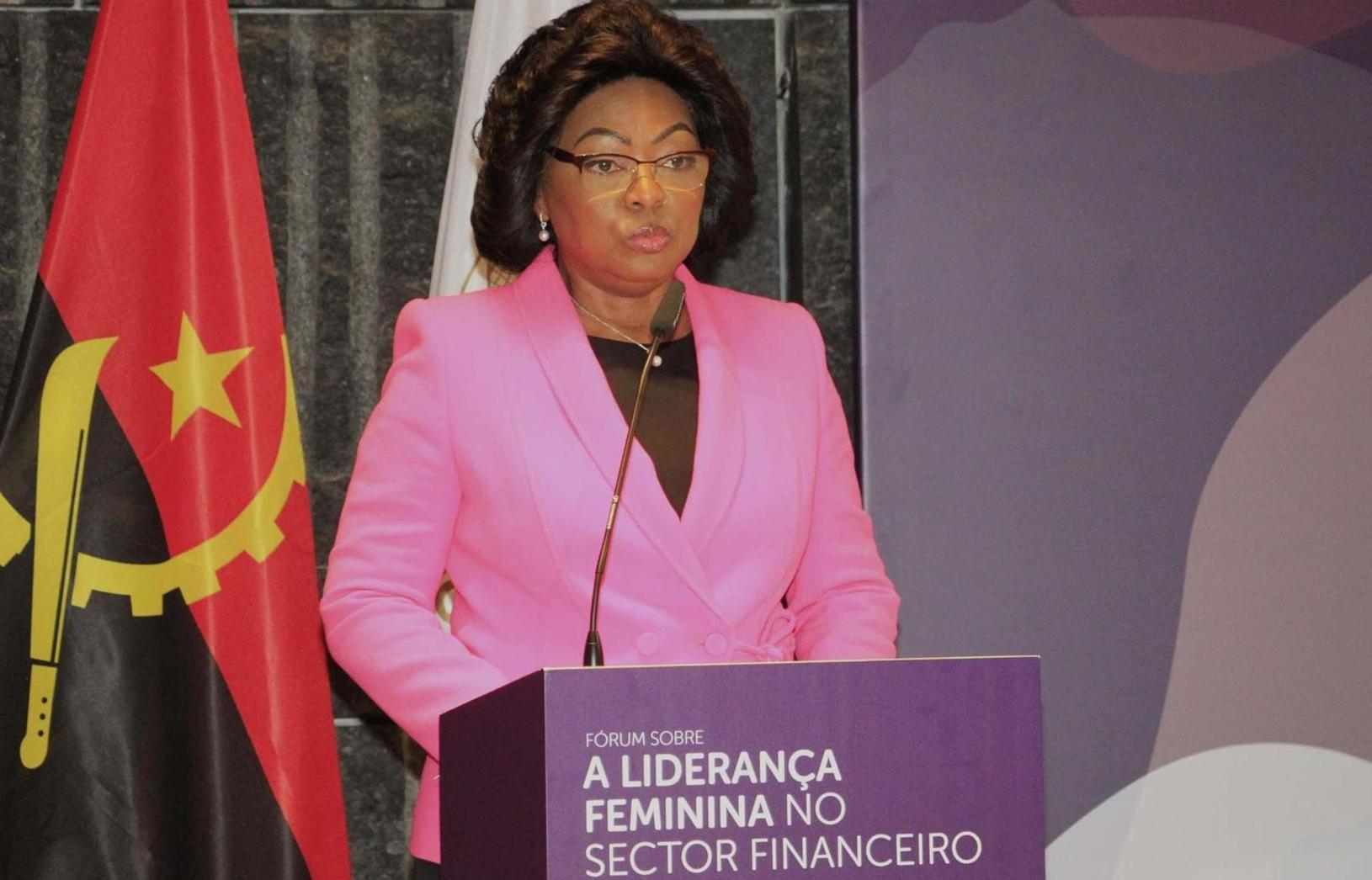
This position was defended on Wednesday by the First Lady of Angola, Ana Dias Lourenço, during her intervention at the African Prosperity Dialogues (APD) 2026, taking place under the theme “Empowering SMEs, Women and Youth in the African Single Market”, at the Accra International Conference Centre in Ghana.
Moments before her speech, Ana Dias Lourenço was honored with a poem entitled “Mother of Nations”, in recognition of her public career and her contribution to the promotion of inclusive development in Africa.
The poem, eloquently recited by a young Ghanaian poet, Nakeeyat Dramani Sam, moved those present, especially the First Lady of Angola, with her effusive description of her role in defending women’s empowerment, girls’ education, and social cohesion, as well as her leadership of the Organization of African First Ladies for Development (OAFLAD).
During her speech, Ana Dias Lourenço warned that, for the effective fulfillment of the objectives of the African Continental Free Trade Area, it is essential to integrate the informal sector, which, despite often being invisible in official statistics, guarantees the subsistence of millions of African families.
Ana Dias Lourenço said the African Continental Free Trade Area should not be seen merely as a “technical” agreement or a set of “bureaucratic” protocols, but as a strategic instrument capable of transforming the continent’s economic, cultural, and human potential into shared and sustainable prosperity.
The First Lady highlighted the central role of the Protocol on Women and Youth in Trade, considering it inalienable within the framework of the African Continental Free Trade Area.
“Economic inclusion does not happen automatically or by mere decree.” “It demands the implementation of active policies, the adoption of corrective measures, and a conscious and persistent approach to overcome the historical and structural inequalities that unfortunately continue to limit the full participation of women and young people in the formal economy and intra-African trade,” she said.
Ana Lourenço highlighted the language barriers that still hinder intra-African trade and recommended the promotion of language training as an essential instrument to strengthen dialogue, trust, and negotiation among African peoples.
“Our vast linguistic diversity is an immeasurable cultural wealth, but it should not be considered an obstacle to our economic unity,” she added.
Ana Dias Lourenço reaffirmed that investment in human capital will continue to be a strategic priority of the Angolan government, especially in the current economic transformation.
According to the First Lady of Angola, the central axis of Angolan development rests on sectors such as agriculture, industry, renewable energies, the digital economy, and technological innovation, considered fundamental for job creation and for reducing external vulnerabilities.
Ana Dias Lourenço highlighted the importance of African peasant women’s access to green technologies and knowledge that ensures land protection and food security.
The First Lady shared initiatives developed by the Ngana Zenza Foundation for Community Development, created in 2018, such as the “Transform Lives, Be a Woman” platform, aimed at empowering young women, and the implementation of the Cunene Youth Campus, focused on leadership training, professional development, and civic participation.
Despite the progress, the First Lady of Angola acknowledged that many women continue to operate in less profitable sectors and face profound cultural barriers, which is why she advocated for the mainstreaming of the gender perspective from the conception of public policies to their implementation, as an essential condition to guarantee equal opportunities.
“Investing in women and young people is not a symbolic gesture; “It is a strategic decision to guarantee stronger economies, fairer societies, and a truly shared and prosperous African future,” emphasized Ana Dias Lourenço.
The conference, which ends on February 6, features a panel discussion relevant to the effective construction of an African common market.