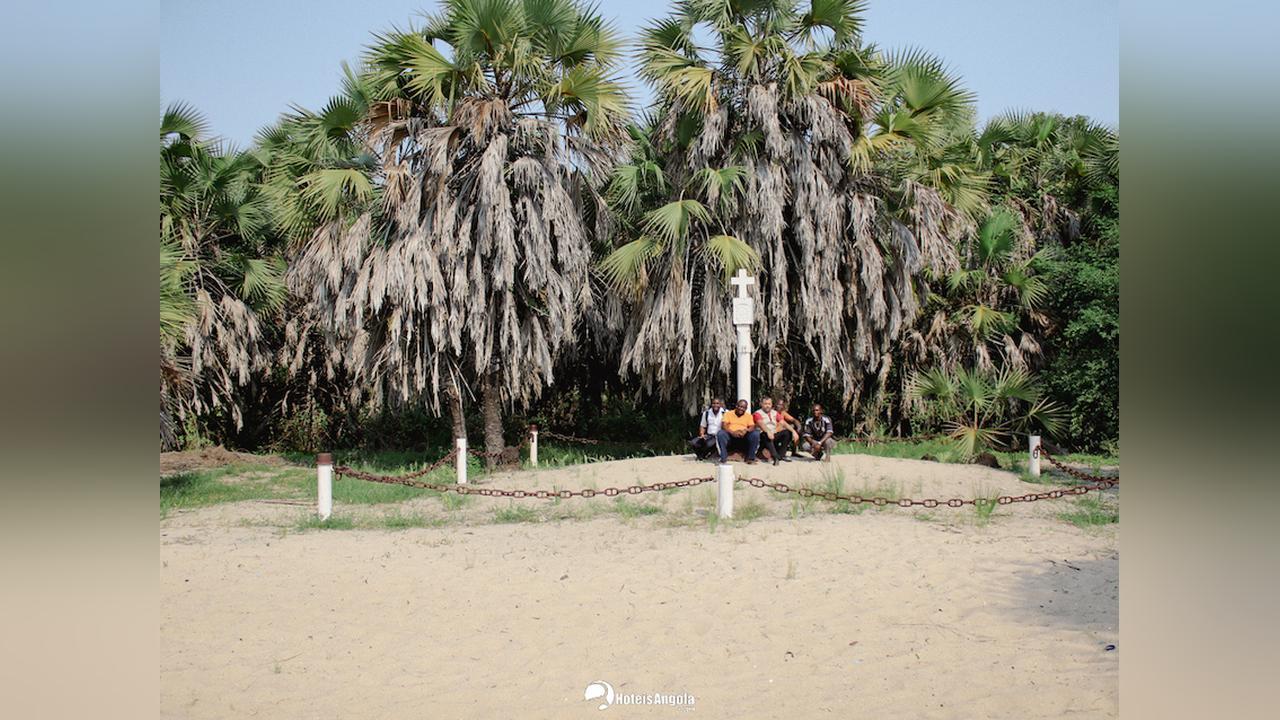
Africa-Press – Angola. The Ministry of Tourism has announced that the Ponta do Padrão Peninsula, located in the municipality of Soyo in the Zaire province, will become a Priority Tourist Interest Area (AITP), with the aim to enhance the value, preserve and monetize this significant national historical site.
The announcement was made on Thursday in Soyo by Dinis Magalhães Quicassa, the National Director of Tourism Development at the Ministry of Tourism. He clarified that the initiative includes preparing a specific Tourism Planning Plan for the site.
Ponta do Padrão is located on the southern bank of the Zaire River’s mouth and is recognised as the site where the Portuguese navigator Diogo Cão erected a padrão (stone pillar) in 1482 during the Kingdom of Kongo’s reign. This historical landmark symbolizes the first contact between the Kongo Kingdom and Europe.
The official confirmed that the state would ensure the creation of essential public infrastructure in various sectors to encourage private national and international investment in the peninsula.
“We must create conditions for accessibility to the island by constructing a pier and supplying drinking water and electricity, as well as education and health services to serve both residents and visitors,” he explained.
Quicassa did not specify the start date for the works or the project implementation period, but stressed that the diagnostic phase is taking place in parallel with the consultation process with local communities.
According to the Preliminary Diagnostic Assessment of the Ministry of Tourism, which was consulted, the Urban Plan for Ponta do Padrão will cover an area of 200 hectares.
The project is of strategic importance for strengthening the tourism sector in Angola and diversifying the national economy. It will ensure the balanced use of land and infrastructure, while protecting historical heritage and the environment.
The expected results also include strengthening the resilience capacity of communities, diversifying economic opportunities, and improving living conditions and the well-being of the local population.