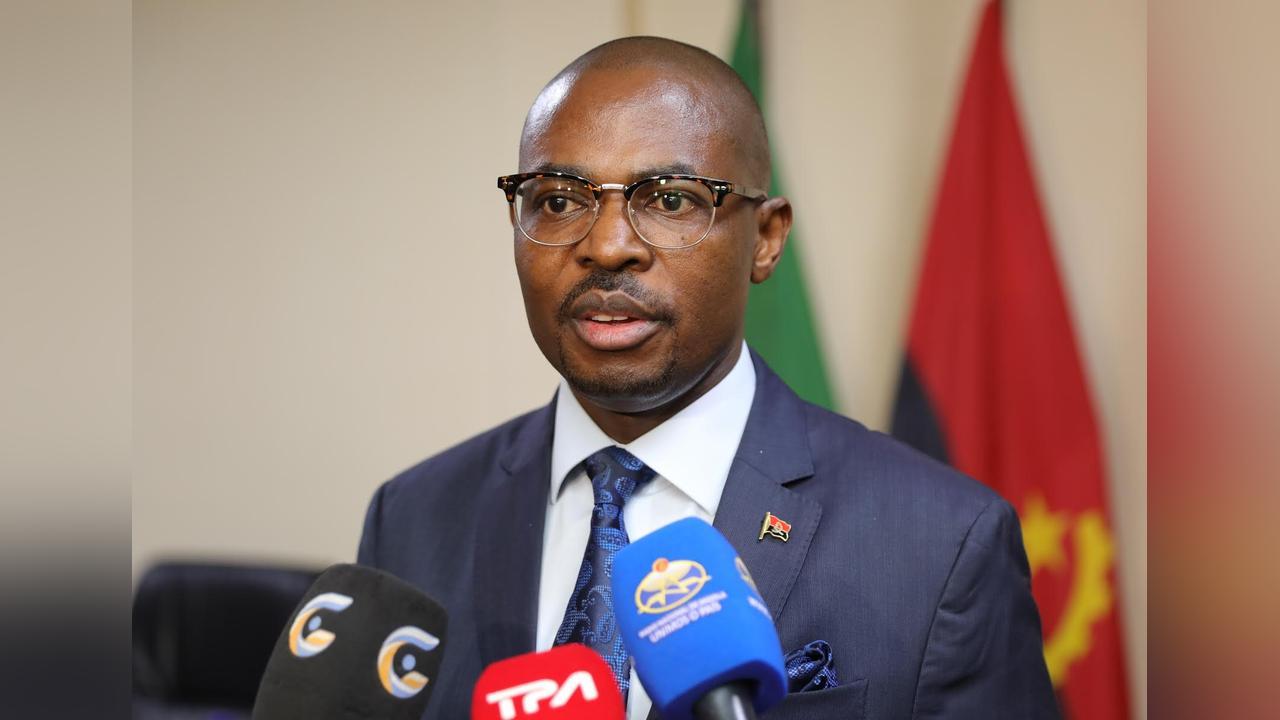
Africa-Press – Angola. The prioritization of structural investments in productive resilience in fragile and post-conflict zones was advocated this Tuesday in Addis Ababa, Ethiopia, by the Angolan ambassador to this country and permanent representative to the African Union (AU) and the United Nations Economic Commission for Africa (UNECA), Miguel Bembe.
The position was taken during the 1332nd Meeting of the African Union Peace and Security Council (AU-PSC), dedicated to consultations with the Food and Agriculture Organization of the United Nations (FAO), the World Food Programme (WFP) and the International Fund for Agricultural Development (IFAD) on the relationship between Food, Peace and Security.
The diplomat argued that this commitment essentially aims to value the recovery of agricultural assets and the sustainable management of land and water as instruments for consolidating peace, according to a note from the Angolan Embassy in Ethiopia and the Permanent Mission to the African Union and UNECA.
Based on Angola’s experience on the theme of the meeting, Miguel Bembe proposed, among other solutions for the continent, the systematic integration of the food-water-security nexus into the deliberations of the Peace and Security Council, incorporating indicators of food and climate vulnerability into its preventive mechanisms.
He also pointed to the need to consolidate African mechanisms for mitigating food price volatility, including regional strategic reserves and social protection instruments. During his address, the ambassador emphasized the importance of strengthening the role of women in food security and peacebuilding, in line with the Women, Peace and Security Agenda and UN Security Council Resolution 1325, ensuring their effective access to productive resources, land,
financing and decision-making processes.
The implementation of these recommendations, in the diplomat’s view, will strengthen the preventive dimension of the African Peace and Security Architecture, addressing the structural causes of instability. He then stressed that food security and sustainable water management should be adopted as strategic instruments for stabilization, fully consistent with Agenda 2063 and the priorities of the African Union. “Competition for control of water and land
resources, essential for food production, constitutes a direct risk factor for local and cross-border conflicts,” he stressed, adding that integrated water management, prevention of water stress, and the promotion of resilient infrastructure are instruments for the structural prevention of conflicts.
In an international context marked by market volatility and recurring geopolitical shocks, he considers that food security assumes a strategic dimension for the member states of the African Union, as it strengthens economic resilience, sustains internal stability, and consolidates the sovereign autonomy of the continent in the international system.
The diplomat Bembe highlighted the Angolan experience as a demonstration that the consolidation of peace is intrinsically linked to the strengthening of food security and sovereignty, as foundations of national stability, social cohesion, and the strategic autonomy of the State.
Miguel Bembe stated that the country has been implementing structuring programs for agricultural revitalization, rehabilitation of rural infrastructure, and economic diversification, with the objective of reducing external vulnerabilities and strengthening national productive capacity.