Africa-Press – Angola. At least 56.721 vulnerable families, residing in 13 of the 27 municipalities of Malanje province, benefit from monetary social transfers from the Social Protection System Strengthening Project (Kwenda).
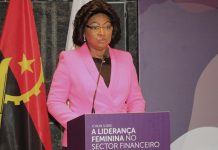
The information was given by the provincial governor, Marcos Nhunga, during the third session of the podcast “CAL – Get to Know Local Administration”, promoted by the National School of Administration and Public Policies (ENAPP).
According to the governor, the program developed by the Institute for Local Development (FAS) has already disbursed more than five billion kwanzas in the region, and extends to 17 communes and one thousand six hundred and twenty-three villages in the province, providing direct and essential financial support to families in vulnerable situations.
Marcos Nhunga explained that actions are underway to extend the program to municipalities not yet covered, in addition to strengthening support for activities that generate family income.
He highlighted that the initiative has mitigated the difficulties previously faced by the populations, although most of the integrated municipalities have already received the fourth installment, the program will update the database of all households in the municipalities under intervention.
The governor stressed that the objective is to update the cadastral data, considering the changes in location, the increase in the number of households and the deaths registered over the five years of implementation of the program in the province.
Kwenda I, which has been operating in Malanje for more than five years, covers households in 13 municipalities, namely Calandula, Cuale, Cateco Cangola, Quirima, Kiwaba Nzoji, Luquembo, Quitapa, Cambundi-Catembo, Cahombo, Banje Angola, Cambo Suinge and Marimba.
Phase II of the Kwenda Program is currently being implemented only in the municipalities of Malanje and Quéssua, and this phase focuses on vulnerable families, prioritizing the elderly, abandoned children, people with physical or visual disabilities, and those with chronic illnesses.
The program’s overall budget is estimated at US$520 million, of which US$400 million is funded by the World Bank and US$120 million by the National Treasury.