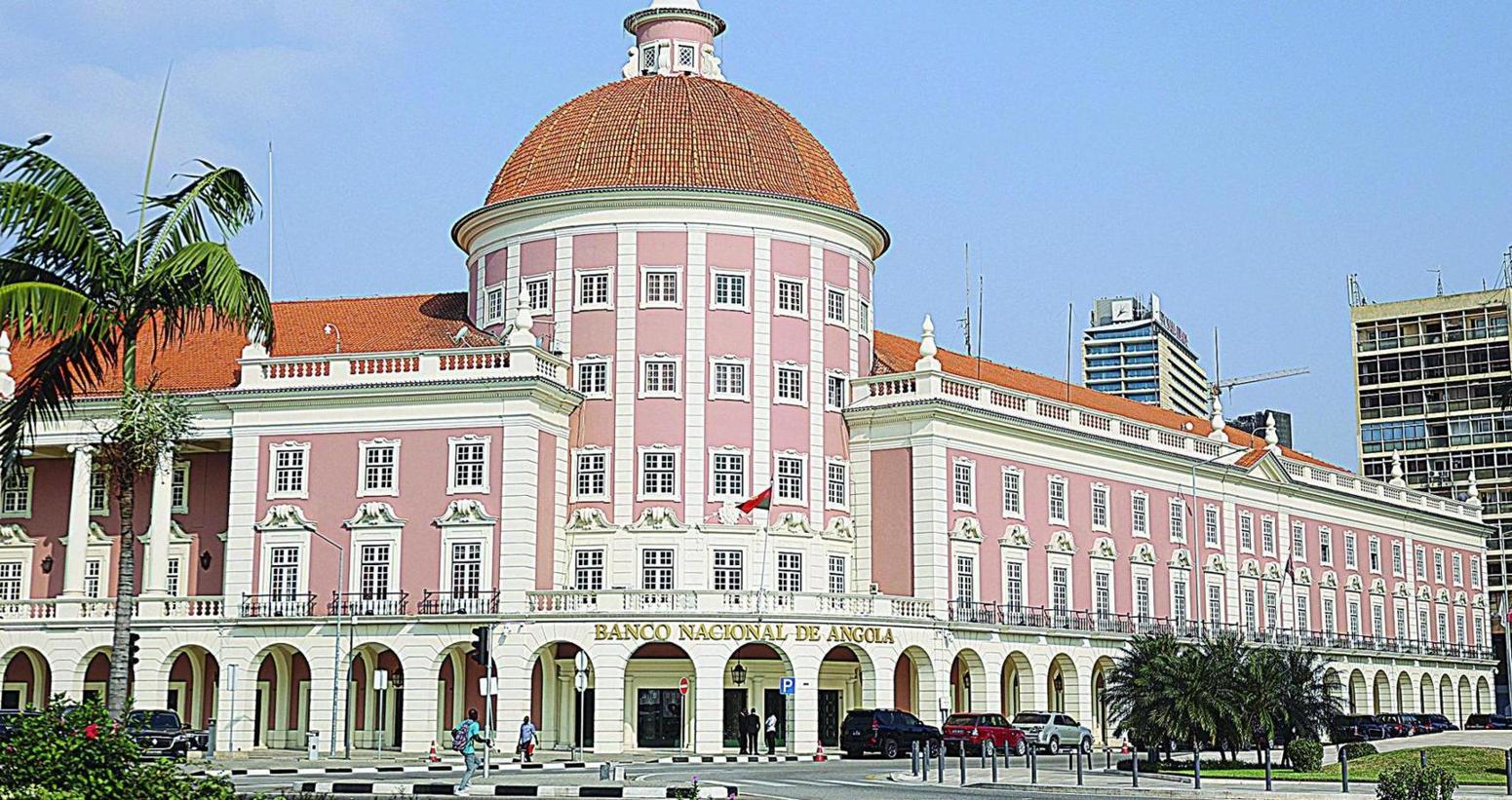
Africa-Press – Angola. According to the Angola Central Bank (BNA), about 75% of the Angolan population avoids saving their income, while others save outside the banking system.
As per the BNA’s Monitoring, Supervision and Statistics technician, Carlos Pedro, who spoke on the “Socioeconomic Relevance of Savings” at a lecture promoted by the BNA on Monday (23) in Mbanza-Kongo, northern province of Zaire, the data comes from recent studies carried out in the country, which also indicate that of the 25% of Angolans who save, most do so outside the banking system.
He explained that many citizens choose to keep their money outside financial institutions, exposing themselves to the risk of misappropriation or loss.
On that occasion, the Mbanza-Kongo municipal administrator, Zolana Avelino, advocated for the introduction of financial education in primary school, so that children acquire basic knowledge about the subject from an early age.
He emphasized that the early empowerment of new generations contributes to a more organized and financially conscious adult life.
The official reiterated the commitment of local administrative authorities to promote partnerships that provide more knowledge, opportunities, and development to the municipality.
In his opinion, financial education contributes to the fight against poverty, strengthens small economic initiatives, promotes financial autonomy, prevents family conflicts motivated by economic difficulties, and contributes to social stability.
In turn, the director of the Municipal Office for the Promotion of Integrated Economic Development, Sebastião Nteyekenge, stated that the sector will continue to hold meetings with vendors in informal markets, with a view to raising awareness about opening bank accounts.
The activity, she added, will be developed in partnership with the commercial banks represented in Mbanza-Kongo, which should also make Automatic Payment Terminals (APT) available to interested merchants.
The lecture was part of the BNA’s financial education and inclusion actions, specifically in the Northwest Region, which includes the provinces of Zaire and Uíge.
It was aimed at vendors in informal markets, teachers, students, civil servants, members of the defense and public security agencies, among other strata of society.
The lectures on financial education will also be extended to primary schools, local military and police units, as well as other segments of the society, the official said.