Africa-Press – Angola. Angola and Namibia are addressing, as of yesterday (Monday), in the Angolan city of Ondjiva, the “legal framework of international instruments to combat trafficking in human beings” and “the main differences between trafficking and smuggling”.
“Angola’s legal framework on trafficking in human beings and discussion of cases”, “investigation and trials in Cunene to date”, as well as “the Namibian legal framework on trafficking in human beings” are, among others, topics addressed in the cross-border forum on the migratory flow that, for two days, takes place in the province of Cunene.
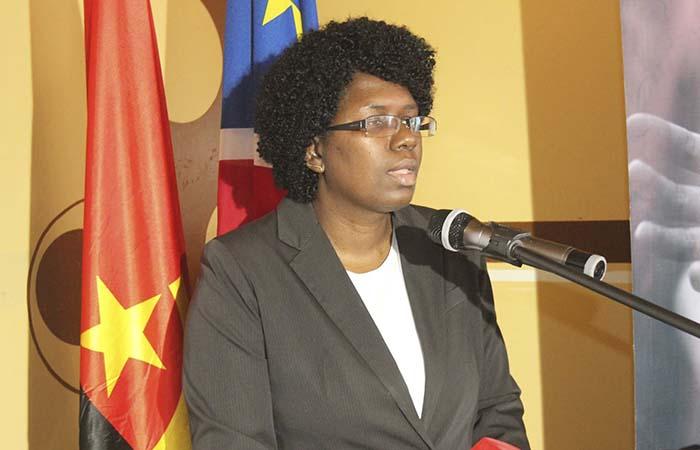
Speaking to the press on the sidelines of the event, the Secretary of State for Human Rights and Citizenship, Ana Celeste Januário, considered it important to strengthen cooperation and partnership with Namibia, for the reduction of organized crime, in order to prevent the common border serves as a conduit for trafficking.
On the other hand, he informed that this year, nine victims of national and international trafficking, mostly girls, were reunited, at a time when the 74th anniversary of the Universal Declaration of Human Rights is being celebrated.
According to the official, since 2014 Angola has had a commission and a database of cases of trafficking, with a record of 140 cases, 25 percent of which have already been judged.
On the occasion, the Deputy Minister of Internal Affairs, Migration, Security and Protection of Namibia, Daniel Kashikola, highlighted the historic ties of friendship, solidarity and cooperation between Angola and Namibia, since the period of the liberation struggle.
He referred that cultural ties mean that the populations of the two countries circulate at will across the common border, a situation that can be taken advantage of by criminals for the practice of trafficking.
“People migrate to countries for reasons of living conditions, economic reasons, migration forced by instability, persecution, smuggling of migrants and victims of human trafficking,” he said.
Daniel Kashikola said that in order to prevent this phenomenon, there is a need for the exchange of experience and sharing of information between the two countries, in order to end the vulnerability that encourages the practice of immigration.
At the opening ceremony, the vice-governor for the Political, Social and Economic sector of Cunene, Apolo Ndinoulenga, said that this forum will contribute to strengthening partnership and cooperation in combating human trafficking, providing segments to the national strategy of human rights, the national action plan to combat human trafficking and strengthening the dialogue between the two governments.
He recalled that the province is located in a geostrategic area that allows establishing contacts with the people, becoming an area of commerce and generation of resources through the circulation of people and goods.
Apolo Ndinoulenga said that the high migratory flow that is registered at border posts and landmarks results from the sharing of brotherhood stretches between the peoples of the south and north of the two countries and that many times can serve as reasons for the practice of human trafficking.
Angola borders Namibia to the south, stretching 1,376 kilometers in length. Across the province of Cunene, 460 kilometers of border are shared, 340 on land and 120 on rivers.
For More News And Analysis About Angola Follow Africa-Press