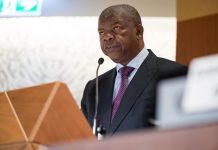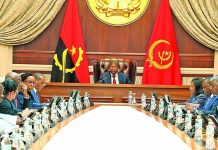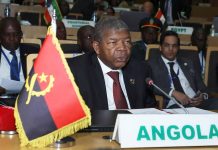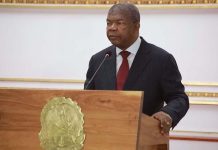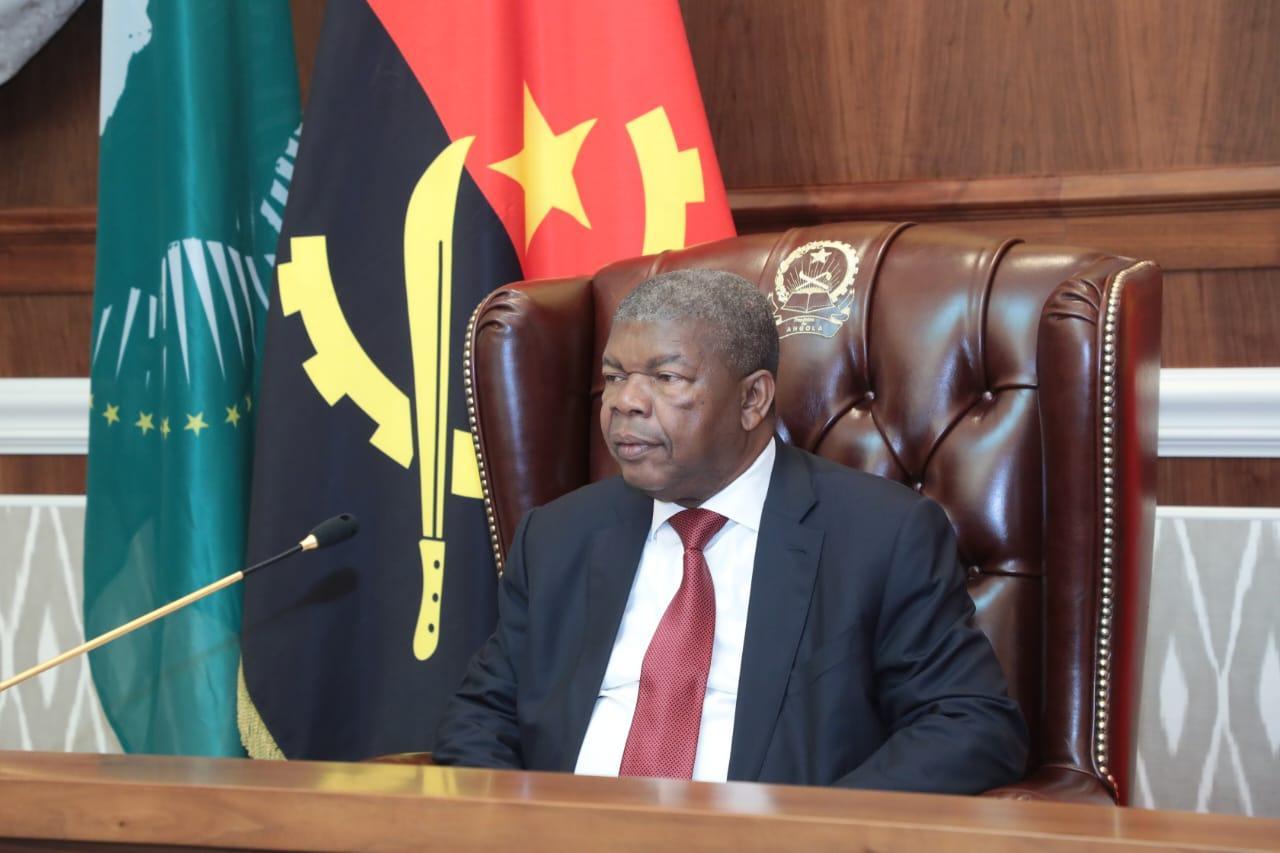
Africa-Press – Angola. Angolan president João Lourenço highlighted on Saturday in Malabo (Equatorial Guinea) the resilience and adaptability of the Organization of African, Caribbean and Pacific States (OASCP) in the face of global challenges and crises.
Speaking at the opening of the organization’s 11th Summit, João Lourenço, who is at the end of his term at the helm of the OASCP, said the organization has gone through one of the most challenging periods in its existence, marked by geopolitical tensions, economic crises, climate change, and conflicts in various regions of the world.
According to the Angolan president, this context demanded greater responsibility, cohesion, and strategic vision from the member states, in order to find solutions to internal difficulties that threatened the organization’s functioning.
The president recalled that in 2022, when Angola assumed the rotating presidency of the OASCP, the world was still facing the effects of the COVID-19 pandemic, which significantly affected the internal life of member countries.
Lourenço stressed that the health crisis had profound impacts on the global economy and international mobility, weakening management systems and imposing restrictions on the financial capacities of states and the organization itself.
Despite the limitations, he stated that Angola maintained its commitment to the defined priorities, acting with a sense of duty, a spirit of dialogue, and determination in guiding the organization’s destiny.
The Head of State underscored that even in the face of an adverse context, the OASCP managed to preserve its cohesion and strategic objectives, reaffirming its role in strengthening cooperation among the countries of Africa, the Caribbean, and the Pacific.
Lourenço considered the summit a moment of renewal and strategic reaffirmation.
The summit serves as a review of Angola’s mandate at the head of the OASCP, which began in 2022, a period during which the country led efforts in political coordination and cooperation among member states.
The meeting in Malabo marks the end of Angola’s presidency of the organization, with the consequent handover to the new leader.
Founded on June 6, 1975, in Georgetown, Guyana, the group of African, Caribbean and Pacific states aimed, at the time, to strengthen ties with Europe, uniting countries that shared a common history of colonialism.
In 2019, the group formed by countries from Africa, the Caribbean and the Pacific (ACP) was renamed the Organization of African, Caribbean and Pacific States.