Africa-Press – Angola. Hundreds of Angolan citizens residing in South Africa are joining the process of birth registration and issuance of Identity Cards and ordinary passports, as part of a campaign promoted by the Angolan Executive.
To this end, the Ministry of Justice and Human Rights, in collaboration with the Ministry of Foreign Affairs, set up two posts at the Consulates General of Angola in South Africa (Johannesburg and Cape Town).
The posts operate within the framework of the Program for the Massification of Birth Registration and Attribution of ID Cards to national citizens, under the coordination of the Institute of Angolan Communities Abroad and Consular Services.
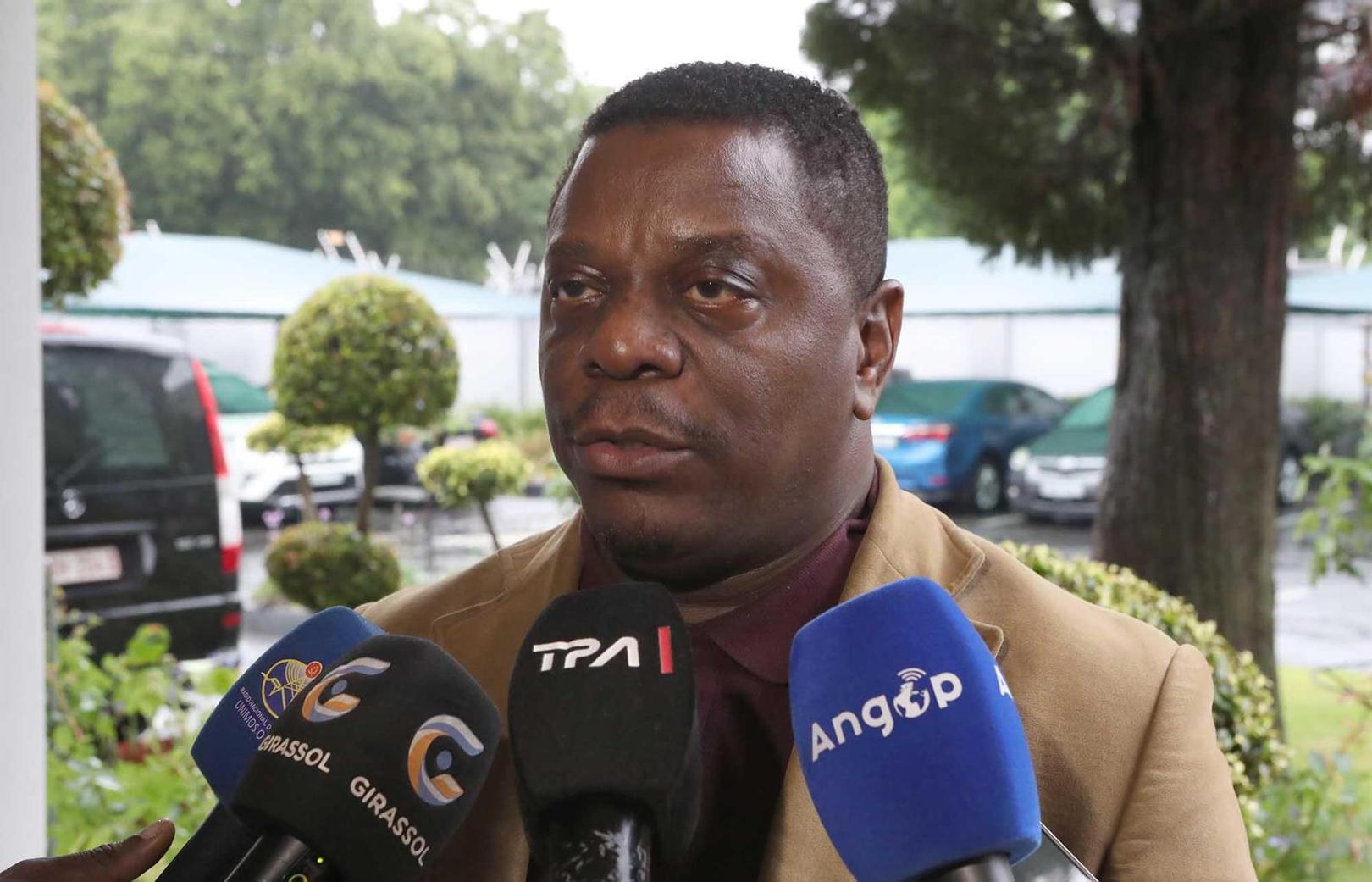
According to data provided this Tuesday, in Johannesburg, by the president of the Union of Angolans residing in South Africa (UNASA), Adão Queta, more than 30 thousand compatriots reside in this country, the majority of them undergoing academic training.
According to the official, despite the country’s economic slowdown, hundreds of Angolans work in the hotel and transport sectors.
Adão Queta stated that, due to the current situation in South Africa, many Angolans chose to return to the country.
The official, who considers relations between Angolans and South Africans to be good, added that, currently, 20 Angolans are imprisoned for illegal acts.
Angola/South Africa Cooperation
South Africa and Angola have maintained full diplomatic relations for 29 years, since May 1994, with the arrival of Nelson Mandela to power (1994-1999), at the end of the first democratic and multi-racial South African elections that symbolized the end of the apartheid regime in the country.
The two countries have cooperated in the areas of trade and investment, energy, defense and security, migration, infrastructure development, exploration of mineral resources, in addition to tourism, arts and culture, within the framework of the General Agreement in the Economic, Scientific , Technical and Cultural.
The agreements were signed on April 29, 1998, in Luanda, during the visit of the former South African President, Nelson Mandela, to Angola.
Within this framework, several agreements were signed, with emphasis on the Agreement on the Creation of the Bilateral Commission, signed on November 20, 2000, in Luanda.
Based on the General Cooperation Agreement, four Sessions of the Bilateral Cooperation Commission were held alternately in Luanda and Pretoria.
The 4th and final session took place from 11 to 14 July 2017, in Luanda.
South Africa has recorded two decades of permanent growth, interrupted only in 2020, as a result of the effects of the Covid-19 pandemic, which slowed down its economy, like hundreds of other countries.
Still, the country has the 38th largest GDP (Gross Domestic Product) in the world, and in 2022, it registered a growth of 2%, reaching USD 405.9 billion.
It is the sixth most populous country on the continent, which has three capitals, Pretoria (administrative), Cape Town (legislative) and Bloemfontein (judicial), with a population of approximately 60,042,000 inhabitants.
Located in the south of the African continent, especially in the Southern Africa region, South Africa is considered a nation with multiple opportunities, despite the current economic crisis.
For More News And Analysis About Angola Follow Africa-Press