Africa-Press – Angola. Reinforcing financial literacy among the population, with emphasis on younger people, as well as the creation of a more stable financial system, with the capacity to boost the country’s socio-economic development, are among the main priorities of the National Bank of Angola (BNA ), in the next times.
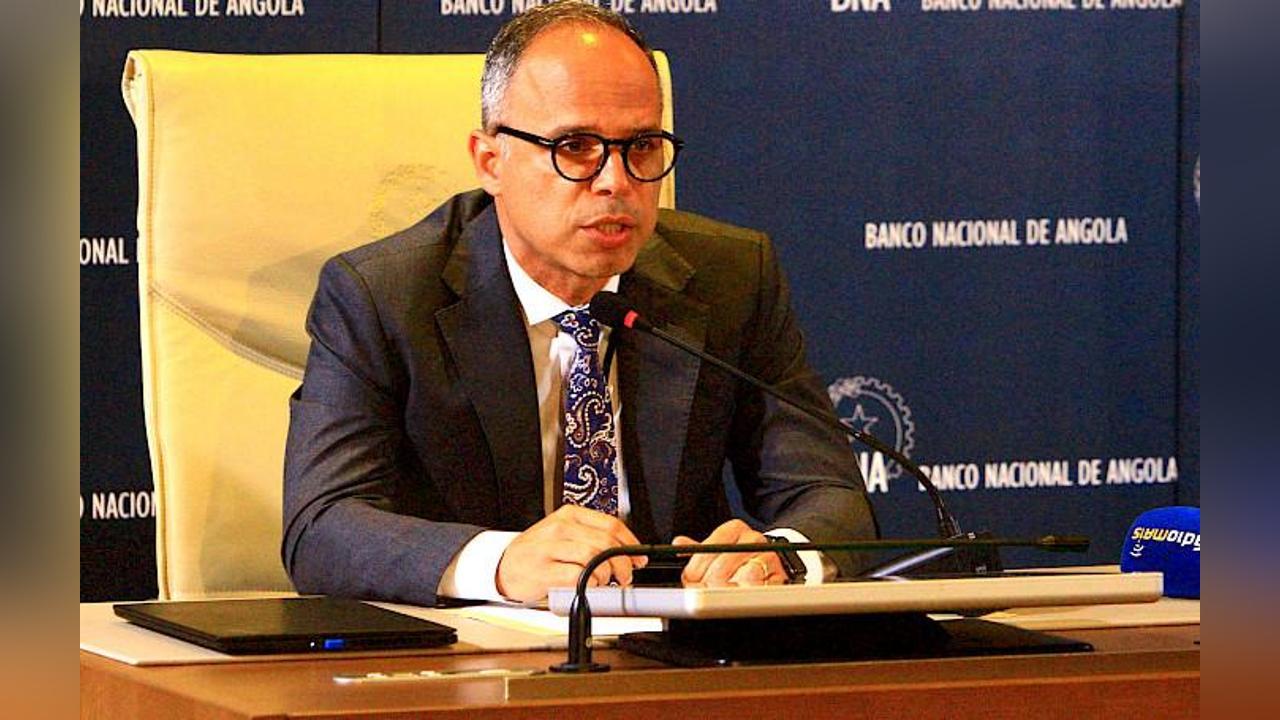
According to the deputy governor of the Central Bank, Pedro Castro e Silva, achieving this goal arises from the fact that there is still a low level of financial knowledge among Angolans, with around 43.7 percent of the population.
The person in charge, who was speaking during the 12th edition of the Global Dinehiro Week, which takes place from the 18th to the 23rd of this month, in Luanda and in the other BNA regional delegations, pointed out continuous training as one of the ideal paths to achieving the reinforcement of financial literacy , in Angola.
He recognized that there is still a long way to go, which can be achieved with firm steps and investment in knowledge.
On the occasion, he highlighted young people as the precursors of development, taking into account the skills they have in handling new technologies.
Regarding the event on the Global Dinehiro Week, Pedro Castro e Silva said that this edition pays special attention to digital and electronic services, with the dissemination and promotion of modern and easy-to-use payment instruments, adapted to the reality of the banked population.
He said that this activity shows the importance given to the financial education of young people, planting seeds that will allow for a more cultured and inclusive society in the future, capable of making the most assertive financial decisions and protecting itself against uncertainty and adversity.
“This week, the BNA will focus entirely on ensuring access to the fundamental principles of education and financial inclusion for children and young people, through lectures, demonstrations, games and games, aiming to awaken the interest of these outcasts of society” , he reinforced.
For six days, in the provinces of Luanda, Cabinda, Malanje, Huambo, Huíla, Namibe, Cunene, Cuanza-Sul, Moxico, Uíge and Cuando-Cubango, financial education lectures will be held, awareness campaigns will be held to open bank accounts and electronic currency, with the participation of financial system supervisors, banks, mobile payment service providers, public and private sector partners.
This week’s agenda also includes educational activities on financial and digital literacy, allowing participants to reinforce knowledge on managing personal finances, savings, investment, insurance, mobile payments and taxes, with the aim of informing the target audience about management money security and promote understanding of the challenges and opportunities of digital financial services.
Establishing the foundations for making the best decisions and making good choices in a conscious way about personal finances, the ability to plan the future and invest in finance in the medium and long term, as well as knowing modern instruments are also part of the objectives.
Global Money Week is an initiative coordinated by the Organization for Economic Development Cooperation (OECD), which has been held every year since 2012 in more than 176 countries, with the aim of raising awareness among people, especially young people, about main themes related to financial literacy.
The event also serves as an opportunity to bring together financial, educational, public and private sector institutions, associations and representatives of civil society, in favor of education and financial inclusion.
For More News And Analysis About Angola Follow Africa-Press