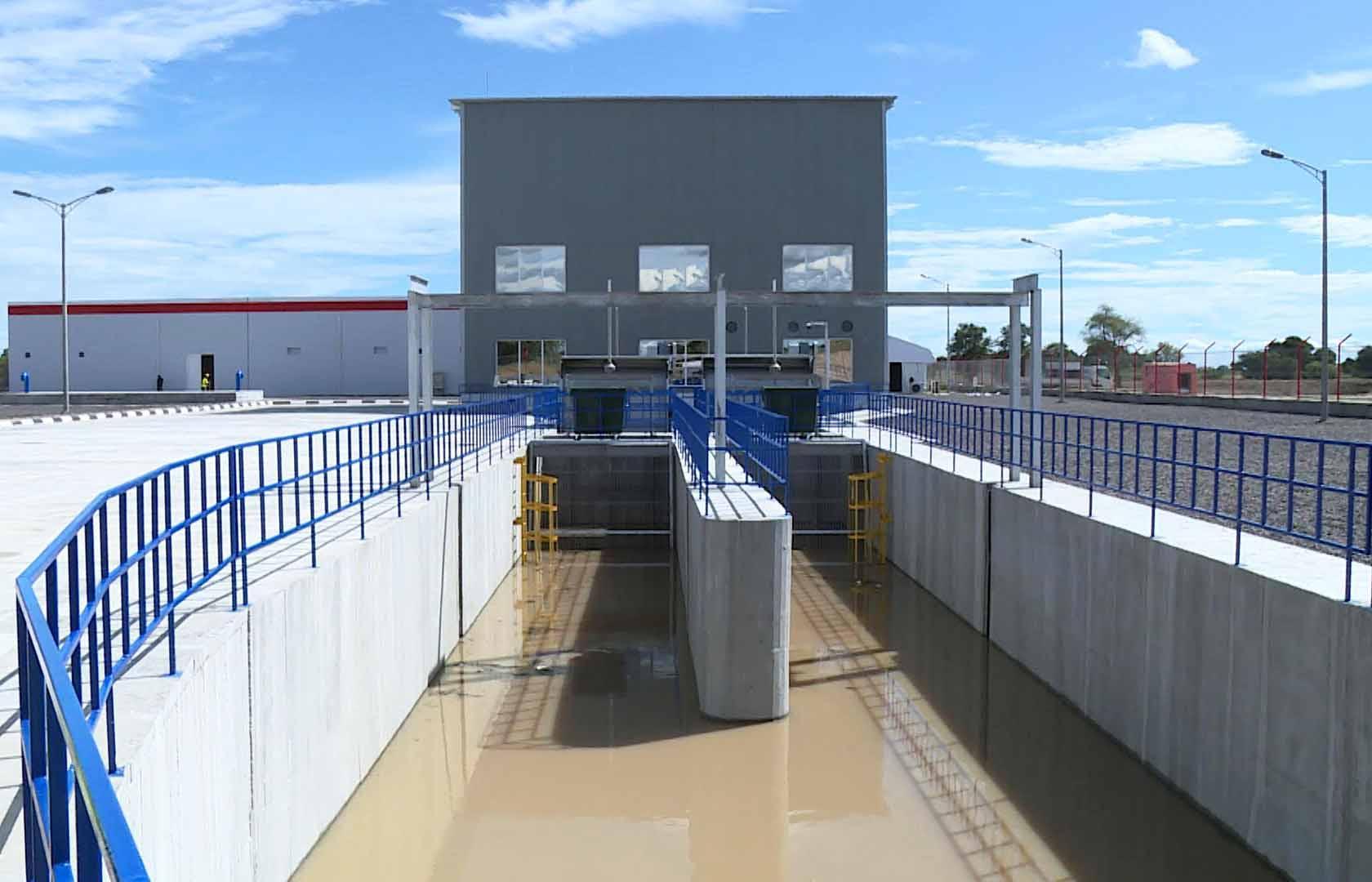
Africa-Press – Angola. The bishop of the Lutheran Church in Angola, Dom Tomás Ndawanapo, highlighted this Wednesday, the project to transfer water from the Cafu canal, as one of the benchmark gains over the 53 years of existence of Cunene province.
Inaugurated on April 4, 2022, the Cafu pipeline is the first of five projects created by the Angolan Government within the framework of the program of structuring actions to combat drought in the province of Cunene, which is benefiting 235 thousand people in the municipalities of Ombadja , Cuanhama and Namacunde.
On the occasion of the province’s 53rd anniversary, to be celebrated on 10 July, he praised the initiative of the Executive to build the cafu dam, whose project will greatly alleviate the effects of the drought.
He recalled that previously people had to travel to the Cunene river and other points, to have access to water for consumption and to water the cattle, but today the communities have the closest liquid.
However, he stressed, Cunene’s socio-economic path was marked by setbacks and advances due to the civil war and South African evasion, which forced the transfer of the administrative division to Castanheira de Pêra.
He said that the foreign occupation meant a delay in the development of the province, as well as in the technical-academic training of his children, stressing that many young people at the time were unable to complete their training and others had to move to other regions.
With the achievement of peace, he recalled, there was the emergence of infrastructure, such as the rehabilitation of the road that leaves the border between Santa Clara and Huíla province, the bridge over the Cunene river, in Xangongo, the Calueque dam and the construction of housing projects, which allowed the transformation of the province.
Dom Tomás Ndawanapo praised the commitment of the government authorities who have been working on the materialization of projects such as the construction of schools and health units.
Aware of the progress, he explained the need to work harder to set up university education in the region, so that Cunene can follow the line of development, as well as the completion of the Ondjiva / Cuvelai road.
The province of Cunene was founded on July 10, 1970, the date of the detachment of the region from the then Administrative Council of Huíla.
With the ascension to the category of province, through Decree no 330/70, the former village Pereira D’Eça, is administratively divided into six municipalities and 20 communes.
Under the motto “53 years of Unity, Work and Progress”, the festive program includes inaugurations of economic and social undertakings, agricultural and industrial fairs, recreational, sports and religious activities.
For More News And Analysis About Angola Follow Africa-Press