Africa-Press – Angola. The situation of political and military stability along the border between the province of Cabinda and the Republics of Congo and Democratic Republic of Congo was praised by the Military Mission of the International Conference on the Great Lakes Region.
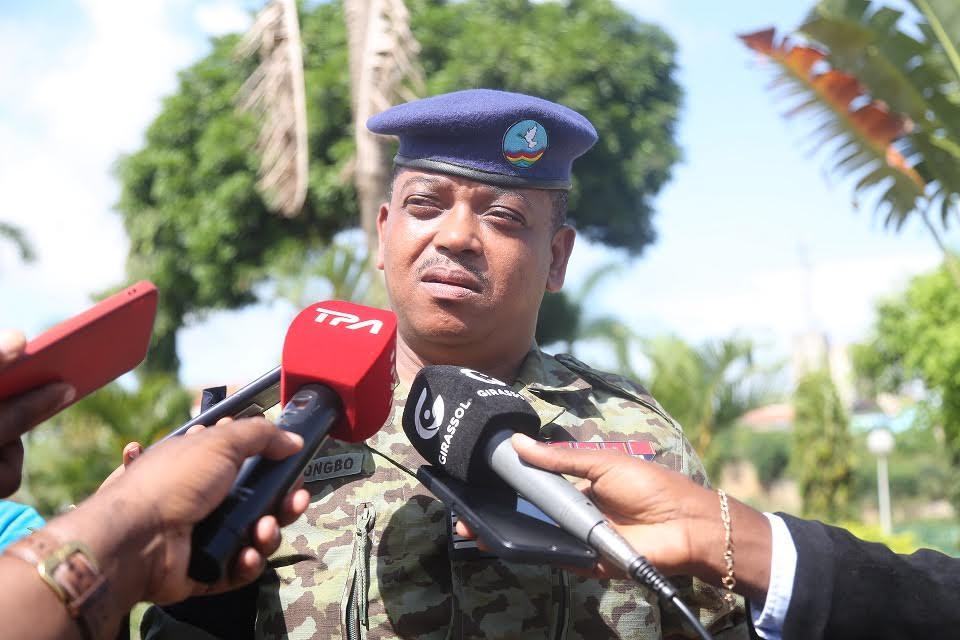
The fact was advanced Tuesday, to the press by the head of the team of experts from the technical body of the Joint Mechanism for Extended Verification of the International Conference of the Great Lakes, Colonel Ermar Kongba, at the end of the brief meeting held with the governor of Cabinda, Mara Quiosa, at the Palace of the Local Government.
Colonel Ermar Kongba also mentioned that in Cabinda, where he worked for two days, there is positive security throughout the entire region, which has allowed good collaboration with the military authorities of neighboring countries, guaranteeing effective movement across common borders in safety, peace and stability.
However, he said that the organization is concerned about the situation in some member states, such as the Central African Republic (CAR) and the east of the Democratic Republic of Congo, where there is some instability that requires political engagement at all levels so that can bring about peace and reconciliation.
The senior official recognized the efforts and role played by the President of Angola, João Lourenço, a political personality who has great experience in resolving conflicts in the region, with his efforts to stabilize the continent.
The Joint Extended Verification Mechanism Mission is a military technical body of the International Conference on the Great Lakes Region, whose fundamental mission is to verify the incidents registered in the Member States, investigate any indications that may generate incidents, as well as verify the security situation of all Member States in the Great Lakes region.
The delegation has already left the city of Cabinda, returning to its Headquarters in the city of Goma, Democratic Republic of Congo, via the land border of Yema, south of Cabinda (Angola).
For More News And Analysis About Angola Follow Africa-Press