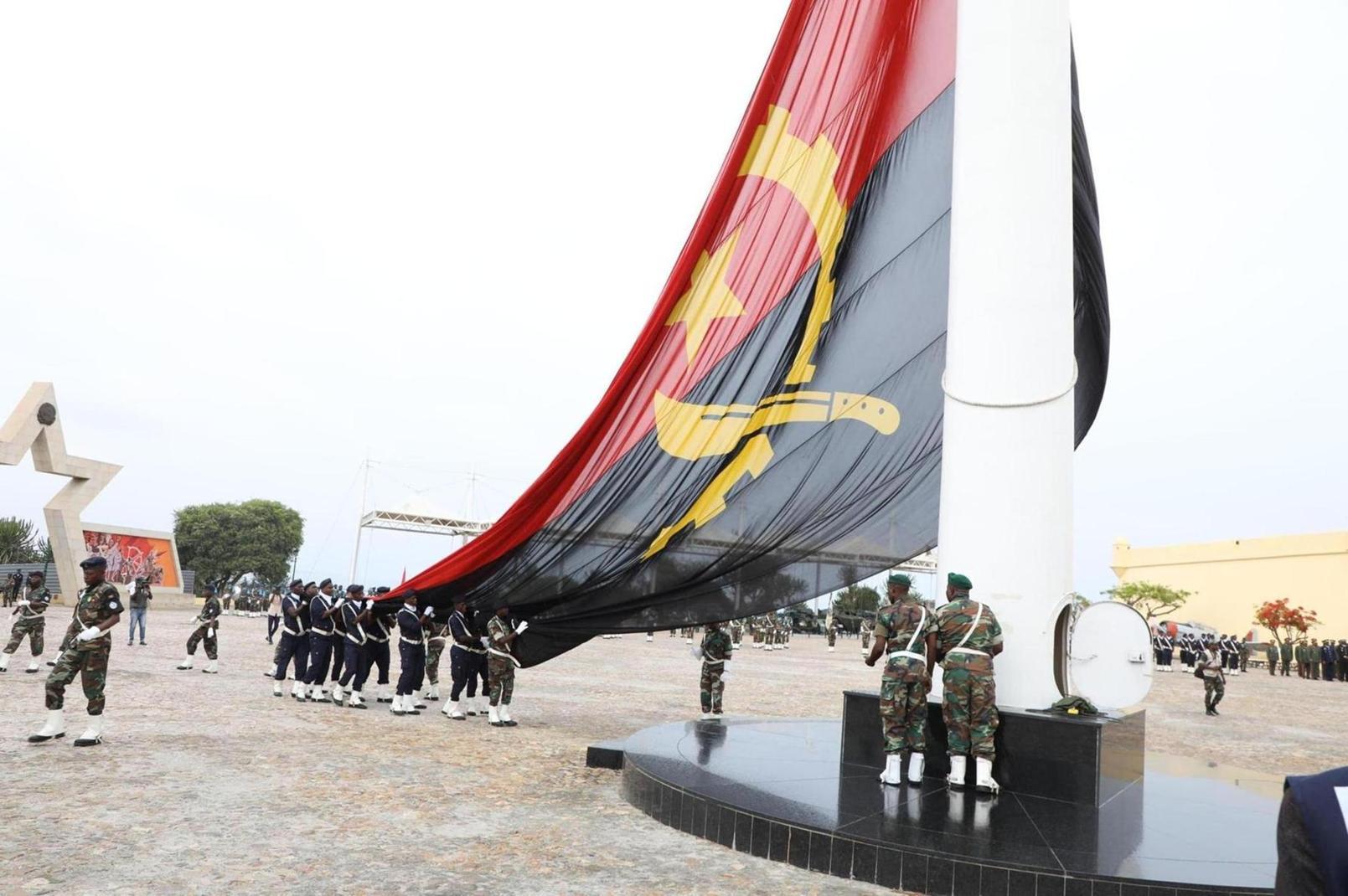
Africa-Press – Angola. The Ambassador of the Republic of Namibia to Angola, Leonard Nangolo Lipumbu, stated that the Cuito Cuanavale Battle Monument symbolizes the victory of the resistance of the peoples of Southern Africa against the occupation and racial segregation imposed by the South African Apartheid regime.
Built in the municipality of Cuito Cuanavale, province of Cuando, the memorial is considered to be one of the most important historical landmarks of the region’s liberation, due to its decisive contribution to Namibia’s independence and the end of apartheid in South Africa.
During a visit to the place, the diplomat recalled that Namibia’s liberation struggle began in 1966 in the town of Lukumbax, in the north of the country, against the racist regime of South Africa. As the conflict intensified, Namibian forces began operating from Zambia and Angola, confronting South African troops.
According to Leonard Nangolo Lipumbu, the outcome of the Battle of Cuito Cuanavale in 1988 created the political and military conditions that faster the implementation of United Nations Resolution 435.
The process ended up in the proclamation of Namibia’s independence on March 21, 1990, with the Battle of Cuito Cuanavale widely recognized as a turning point in the region’s history.
“The monument symbolizes peace in Southern Africa, Namibia’s independence, and the end of apartheid. Every March 23, we celebrate this date as a fundamental milestone in our history,” he stated.
The ambassador advocated for the continued preservation and enhancement of the memorial, with a view to its transformation into a museum of the liberation of Southern Africa, allowing new generations to understand the meaning of the struggle and the sacrifices made for freedom.
Leonard Nangolo Lipumbu stressed that Namibian history cannot be forgotten. It must be passed down to children, so they can understand where they came from and the value of the freedom and peace the country live in nowaday,”.