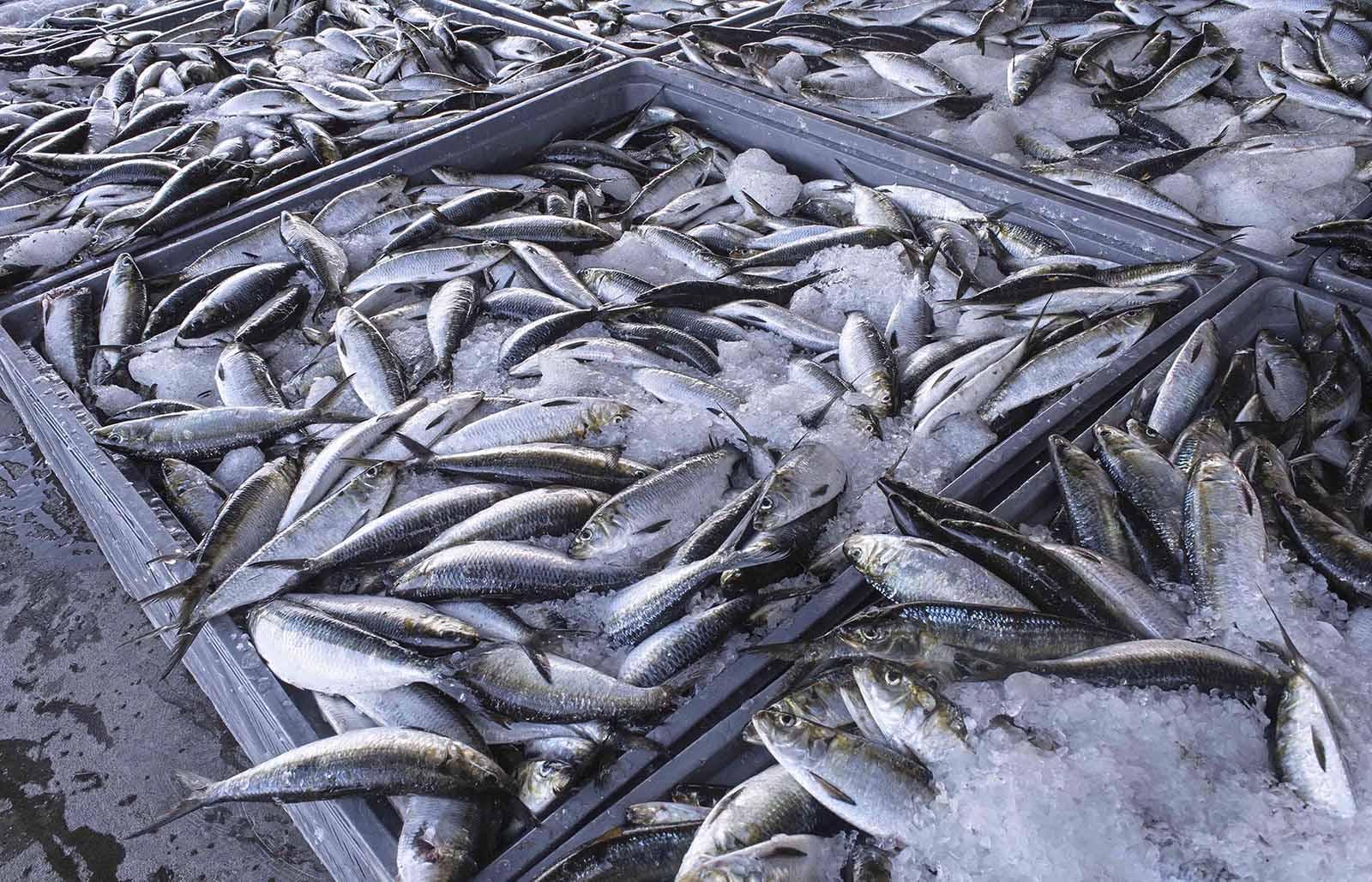
Africa-Press – Angola. Around 79 thousand 856 tons of various fish were caught, from January to November this year, in the province of Namibe, reported the director of the Provincial Fisheries and Sea Office, Piedade Goanhe.
In an interview, the person in charge said that, compared to the same period in 2022, there was an increase in capture, in the order of 4 percent, when 76,500 tons were captured.
Piedade Goanhe explained that horse mackerel tops the list of species caught, followed by sardinella, mackerel, taco-taco, croaker, cachucho, crab and squid, representing 86% of catches.
The official stated that the census of vessels, carried out in the first quarter of the current year, allowed the production of essential information, which will help the Government of Namibe to define precise policies within the scope of the investments planned for the construction of infrastructures to support the artisanal fishing, at coastal level, improve the monitoring of fishing activity, aiming at the sustainable exploitation of marine resources and attracting investments for the subsector.
He added that the census also allowed the licensing of 2,132 artisanal and subsistence fishing vessels, of which 1,507 were commercial artisanal and 625 subsistence.
He made it known that in the province of Namibe there are 39 companies in the fishing sector, of which 38 are operational and one is paralyzed.
He explained that the fishing sector currently employs around 17 thousand 087 sailors, of which 10 thousand 037 in the artisanal segment and 678 in the semi-industrial segment.
The director argued that, for next year, the sector intends to reinforce fishing inspection along the coast, educate and raise awareness among riverside communities to disseminate good fishing practices and preserve the environment, as part of the implementation of the “Blue Economy”. .
Continuing the registration process for artisanal fishing operators and consequently defining the fishing value chain, as well as starting the 2nd phase of the Training and Training program for Masters, foremen and fishing sailors.
“In coordination with municipal administrations, we will monitor fishing activity so that it actually contributes to the social and economic aspects of the province”, he highlighted.
Regarding salt production, the director said that from January to November of the current year, 4,725 tons of sea salt were produced for human consumption and food production, representing an increase of 10% compared to the same period in 2022.
He also highlighted that salt operators have had many difficulties in obtaining iodine, which is for export and exclusive distribution by the Ministry of Fisheries and Marine Resources.
He said that currently, at the province level, there are 6 salt mines, of which 5 are operational and 1 inoperative, bringing together a workforce of 258 workers, and added that, through new private investments, 2 salt mines are being built in the commune do Bentiaba and in the municipality of Tômbwa, which will increase salt production by 60%.
The director informed that seafood products have been in high demand, both on the domestic market and for export to countries such as Japan, the United States of America, Portugal, China and the Kingdom of Spain, which has allowed the attraction of foreign exchange for the country.
“The issue of flow does not constitute a constraint on operators”, he said.
For More News And Analysis About Angola Follow Africa-Press