Africa-Press – Angola. The Southern African Development Community (SADC) needs more than US$50 billion to implement the priority projects identified in the SADC Regional Strategic Development Plan (RISDP 2020-2030.
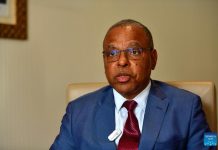
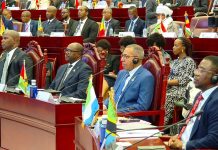
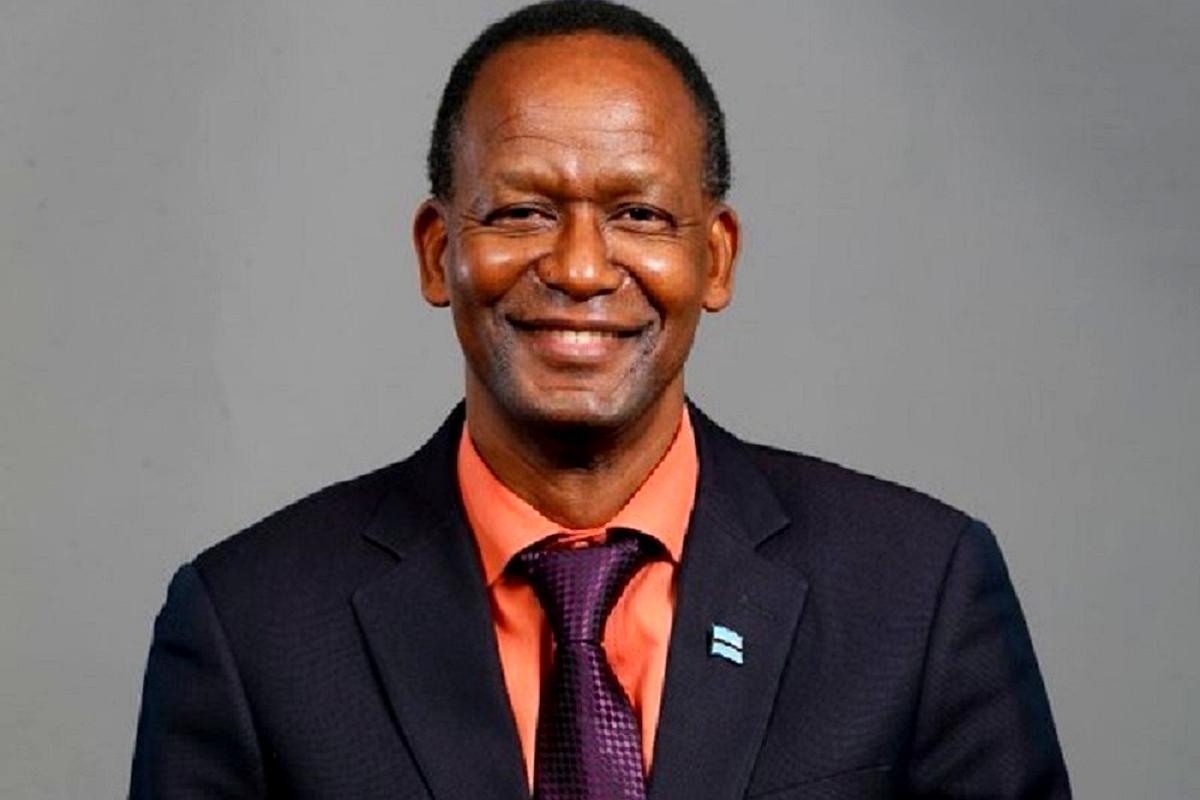
The information was provided, yesterday, in Luanda, by the executive secretary of the regional organization, Elias Magosi, during the intervention at the opening of the meeting of the SADC Council of Ministers, which takes place from yesterday until today, in Luanda.
To address this gap, Magosi reported that the Secretariat is exploring innovative and sustainable financing mechanisms, including the rapid operationalization of the SADC Regional Development Fund. “It is, therefore, essential that Member States accelerate the signature and ratification of the Agreement underlying this Fund, in order to allow the region to establish a sustainable financing vehicle for SADC programs”, he appealed.
The executive secretary of SADC made it known, on the other hand, that the body he heads managed to mobilize, from the last financial year to date, resources worth 185 million dollars. Elias Magosi highlighted that, despite these efforts, the allocation of resources still remains far below the total needed to carry out priority regional integration and development projects. Regarding peace and security, Elias Magosi said that the region continues to focus on strengthening political cooperation and promoting democracy, good governance and human security.
“We continue to face security threats in the East of the Democratic Republic of Congo and in the North of Cabo Delgado, in the Republic of Mozambique, aggravated by armed groups and terrorist activities, respectively”, he highlighted.
Southern Africa Day
Taking into account the approach of another anniversary of the Liberation Day of Southern Africa, to be celebrated on March 23, Elias Magosi called on Member States to share their activities and initiatives on the anniversary, in order to inspire others, to educate and raise awareness of the historical significance of the liberation struggle and its impact on the development and progress of the SADC region.
Council analyzes the organization’s budget and contributions
The analysis of the budget of the Southern African Development Community (SADC) was one of the topics that marked the first day of the meeting of the organization’s Council of Ministers, which ends today, in the Angolan capital.
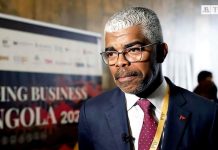
The information was given to the press yesterday by the Angolan Minister of Planning, Victor Hugo Guilherme, when he was taking stock of the first day of the event. “We deal with issues that have to do with the organization’s budget, some decisions taken in different areas, namely research, training, youth and aspects that have to do with the contributions of member countries”, he said.
Regarding the delay in the payment of contributions by some Member States, the Minister of Planning, who is participating in the meeting, clarified that this situation is due to the fact that the financial condition of the Member States in this situation is not , at the moment, one of the best, which is why they are unable to pay contributions.
“We also talk about extra contributions to support countries like Mozambique and the Democratic Republic of Congo”, said Victor Hugo Guilherme, adding that there are a greater number of countries that have not yet fulfilled this obligation.
The meeting of the SADC Council of Ministers, which ends today, has as its main objective to analyze and approve the budgetary requirements for the organization, for the financial year 2024/2025, evaluate the progress made during the financial year 2023/2024, as well as how to deliberate on the prospects for the years 2024/2025.
The document from the meeting of the Trade, Industry, Finance and Investment (TIFI) Thematic Group, held on February 29 this year, at the SADC headquarters, in Gaberone, Botswana, states that the organization continues to make good progress in implementing the its programs to deepen regional economic integration, particularly in the TIFI area.
The document states that constant progress has been made in developing industrialization capabilities, as well as in strengthening the participation of the private sector in regional value chains.
By way of example, it states that the Kingdom of Eswatini, the Republics of Zimbabwe and Malawi launched new industrial policies aligned with the regional strategy, following capacity building through the Quality Improvement of Industrial Policies (EQuIP) methodology.
It highlights, on the other hand, that the Support for Industrialization and Productive Sectors in the SADC region (SIPS) – a program coordinated by the SADC Secretariat and implemented by the Deutsche Gesellschaft für Internationale Zusammenarbeit (GIZ) – also successfully achieved results in terms of private investment in the sector’s participation in regional value chains.
In the area of Trade, the document continues, 12 Member States are now part of the SADC Protocol on Trade in Services, following the recent accession of the United Republic of Tanzania to this legal instrument.
The meeting noted that negotiations for phase II services sectors are expected to be launched in April 2024. These services comprise business, professional and IT, educational, distribution, environmental, recreational, cultural and sports, social and related with health and other services not included elsewhere.
The document states that efforts are also underway to consolidate the implementation of the SADC Free Trade Area (ZCL). In the Financial sector, the meeting noted that the SADC Anti-Money Laundering/Combating the Financing of Terrorism Committee (AML-CFT) was operationalized following the inaugural meeting held in South Africa in February 2024. The meeting further noted , the ongoing development of the discussion document with options for operationalizing the SADC Regional Development Fund (RDF).
This document will be presented to the Ministers of Finance and Investment at their extraordinary meeting scheduled for April 2024.
However, despite this good progress, the meeting noted that SADC’s economic integration is still being hampered by three binding constraints, namely, inadequate and poor quality infrastructure, a serious shortage of skills needed for industrial development and financing insufficient. In this context, the director of Industrial Development and Trade at the SADC Secretariat, Dhunraj Kassee, called on International Cooperation Partners (ICP) to strengthen collaboration and provide more support on strategic issues such as the Kasumbalesa Border Post, efforts to course towards the COMESA-EAC-SADC Free Trade Area Tripartite Agreement and the review of the SADC Industrialization Strategy and Roadmap.
The TIFI Thematic Group plays a central role in implementing the Prioritized Projects of the Regional Indicative Strategic Plan that aim to provide maximum impact on the standard and quality of life of the people of Southern Africa. It provides a platform to facilitate interactions between SADC and ICPs active in the SADC economic integration agenda. Among others, the general objective of the group aims to serve as a forum to coordinate activities to avoid overlaps and achieve maximum synergies and complementarity of assistance provided, a forum for exchanging ideas and strengthening dialogue on strategic issues related to the implementation of the Plans Business Unit TIFI and a resource mobilization mechanism (financial, knowledge and others) to bridge financing gaps and coordinate the use of guaranteed financing.
jornaldeangola
For More News And Analysis About Angola Follow Africa-Press