Africa-Press – Angola. Woodworking shops have less availability of raw materials, which makes it difficult to maintain production cycles and consequently control the cost of furniture
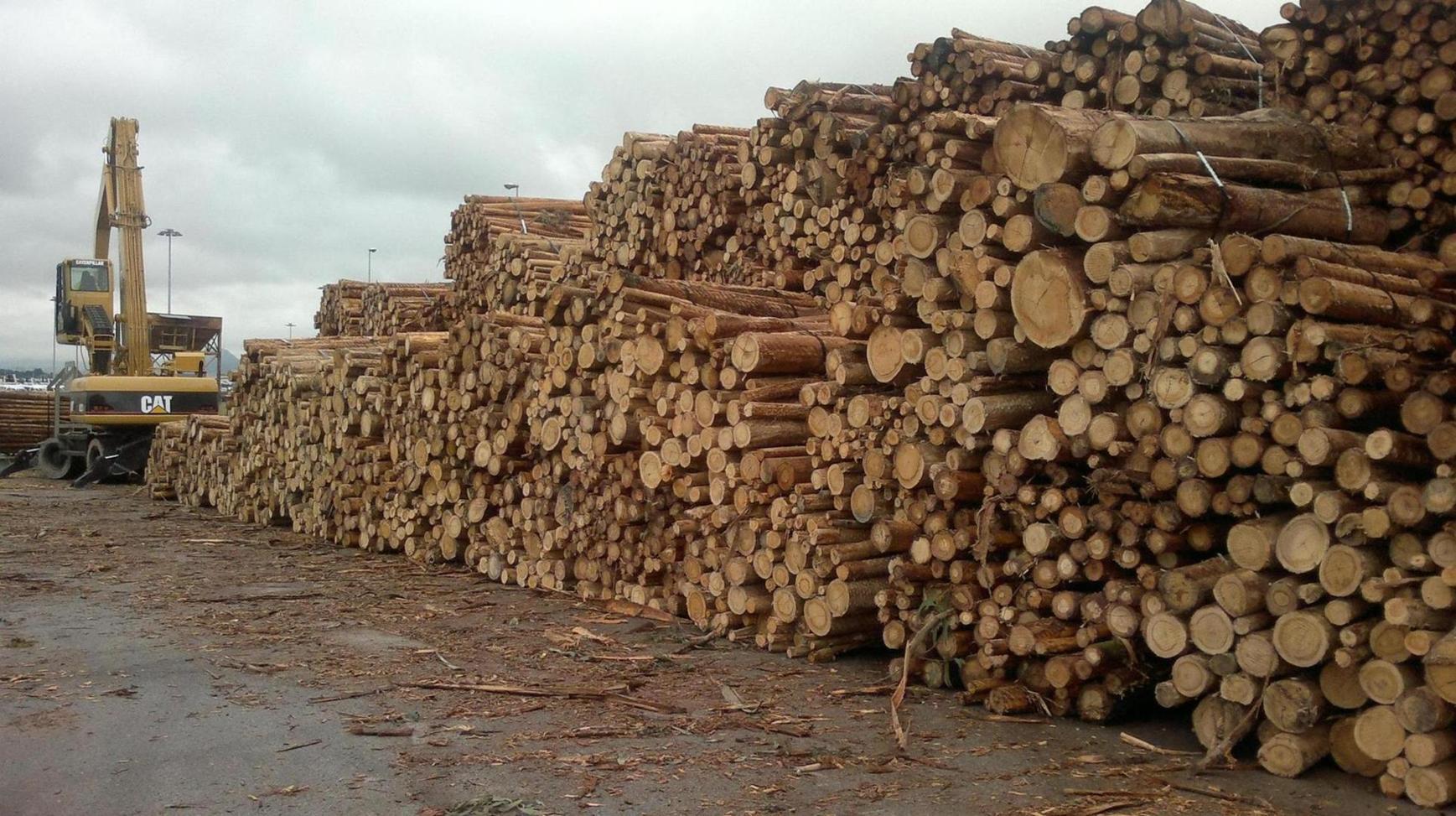
The price of wood in the municipality of Sumbe, capital of the province of Cuanza-Sul, increased by around 50 percent, due to shortages in production areas, in addition to the degradation of access roads to exploration sites.
The situation makes the product more expensive and, because of this and other factors linked to the rise in fuel prices, a three-meter wooden bar is being sold for between eight and nine thousand kwanzas, compared to four thousand kwanzas, which was the price in a recent past, representing an increase of around 50 percent.
Entrepreneurs in the sector were unanimous in stating that the increase was due to the rise in fuel prices and the cost of transporting raw materials from production areas to the city center.
Manuel Kembo, 37 years old, who has worked as a carpenter for over 18 years, considered that the increase in the price of wood has reduced the level of daily furniture production, and has created difficulties in satisfying customer needs.
The carpenter pointed out that the lack of supply of the product in the province of Cuanza-Sul contributes to low production, and the resource has been the country’s capital to continue his work.
The timber businessman also said that another constraining factor that created imbalances in the current situation was the rise in fuel prices, combined with the cost of chartering transport to take the raw material to Sumbe. “With the increase in the price of wood and transport, we need more industrial machines to transform the product, which could lead to an increase in costs, as we are forced to finish the raw material in other metalworks”, he highlighted.
Saúl Gonçalves, another carpenter by profession, said that during the rainy season there is a shortage of wood due to difficulties in accessing the raw material collection areas, which is deficient. “At the provincial level, we have timber exploration in the municipalities of Amboim, Conda and Seles, but because the activity is carried out in remote areas of these locations, access is very difficult during the rainy season”, he said.
The carpenter added that when there is a shortage at the provincial level, they turn to Luanda, which offers a variety of products, because of the connection it has with the main wood-exploring provinces, such as Uíge, Malanje and Bengo.
According to Tomé Silvestre, who has been providing metalworking services for over 20 years, the rise in fuel prices has influenced the increase in the price of wood, because production is done with large chainsaws. “I have machines that provide services in the sector, and the loggers take the opportunity to unload the raw material at my establishment, in order to sell the wood that has already been sawn and processed”, he highlighted.
In this context, Tomé Silvestre considered that the only way out is through the implementation of the licensing policy for carpentry activities, which enables men linked to the sector to have access to bank credits and enhance the sector. “Policies need to be created to legalize our activity, so that banking institutions have credibility in our business, and provide the necessary bank credits to promote national production in the furniture sector and reduce the unemployment rate”, he argued.
Joiners lament lack of access to credit
The carpenters expressed their dissatisfaction with the lack of access to bank credit, and asked the Executive to reassess the necessary assumptions for joining national programs to support small and medium-sized companies, in order to be more inclusive.
Entrepreneurs in the sector also highlighted that the credits available in commercial banks have only been for companies dedicated to the Agriculture and Fisheries sector.
Martes José, responsible for the António José Jomba Funerary Agency, explained that with the difficulties they are experiencing, and the fact that they are banned from banking products, it becomes almost impossible to increase the production of goods and, consequently, respond to customer needs. , and the market in general, as well as helping to reduce the unemployment rate.
“A few days ago I went to a bank branch to apply for a credit, and the answer was that the credits mainly cover the Agriculture and Fisheries sector, and a response like this ends up discouraging our work”, he lamented.
Manuel Camilo, head of the Irmãos Camilo Organizations, said that due to difficulties in accessing bank credit, his company considerably reduced previous production levels, as it depended on the amount of material available to produce. “The cost of acquiring raw materials is high, and without support from financial institutions it becomes even more difficult to continue our work, and ensure the livelihood of workers and their families”, he said.
As for the work regime, those responsible for the carpentry workshops ensured that there are permanent workers, by contract, who are those hired for a specific job, and workers who earn on a percentage basis according to the work they perform.
The carpenters ask that access to bank credit be inclusive, covering all business sectors, in order to boost the economy and guarantee more jobs.
Woodworking companies decide to set up a professional training center
The carpentry shops, in the view of those responsible, function as training centers, with the number of young people learning the art of transforming wood into domestic and office furniture and urns, either manually or with the help of industrial machines, being unquestionable.
Enoque Tchawako is a 19-year-old young man who has been a carpenter’s apprentice for four years, and says that the experience has been useful in his social and financial life, and, in addition to the job taking up his free time, it allows him to contribute to expenses From home.
“Being a carpentry apprentice has been a very advantageous experience, as I always have some money to take home and, as my father said, the profession is the spell that never let anyone down”, he said.
The average technician on the Physical and Biological Sciences course at Liceu do Sumbe said that the encouragement to work in the carpentry came from his older brother, who is also a carpenter, whom he greatly respects and admires for the resilient way in which he earns a living.
Enoque Tchawako said that learning a profession is a way of occupying the mind, keeping it away from immoral thoughts that call into question the conduct of many young people in the face of social difficulties, having appealed to young people to learn a profession, which is a source of income.
António Fernando, who has also been a carpentry apprentice for three years, recognizes that the profession has brought him new opportunities, and highlighted the fact that he currently has an occupation that guarantees him sustainability. “Despite having started working on my father’s initiative, today I like what I do and I’m happy to work here and contribute to supporting my family”, he said happily.
JORNALDEANGOLA
For More News And Analysis About Angola Follow Africa-Press