Africa-Press – Angola. The 13th Ministerial Conference of the World Trade Organization (WTO), a forum in which Angola participated, renewed this Saturday, in Abu Dhabi, United Arab Emirates, the commitment to implementing a full, functional and accessible dispute resolution system to all members until 2024.
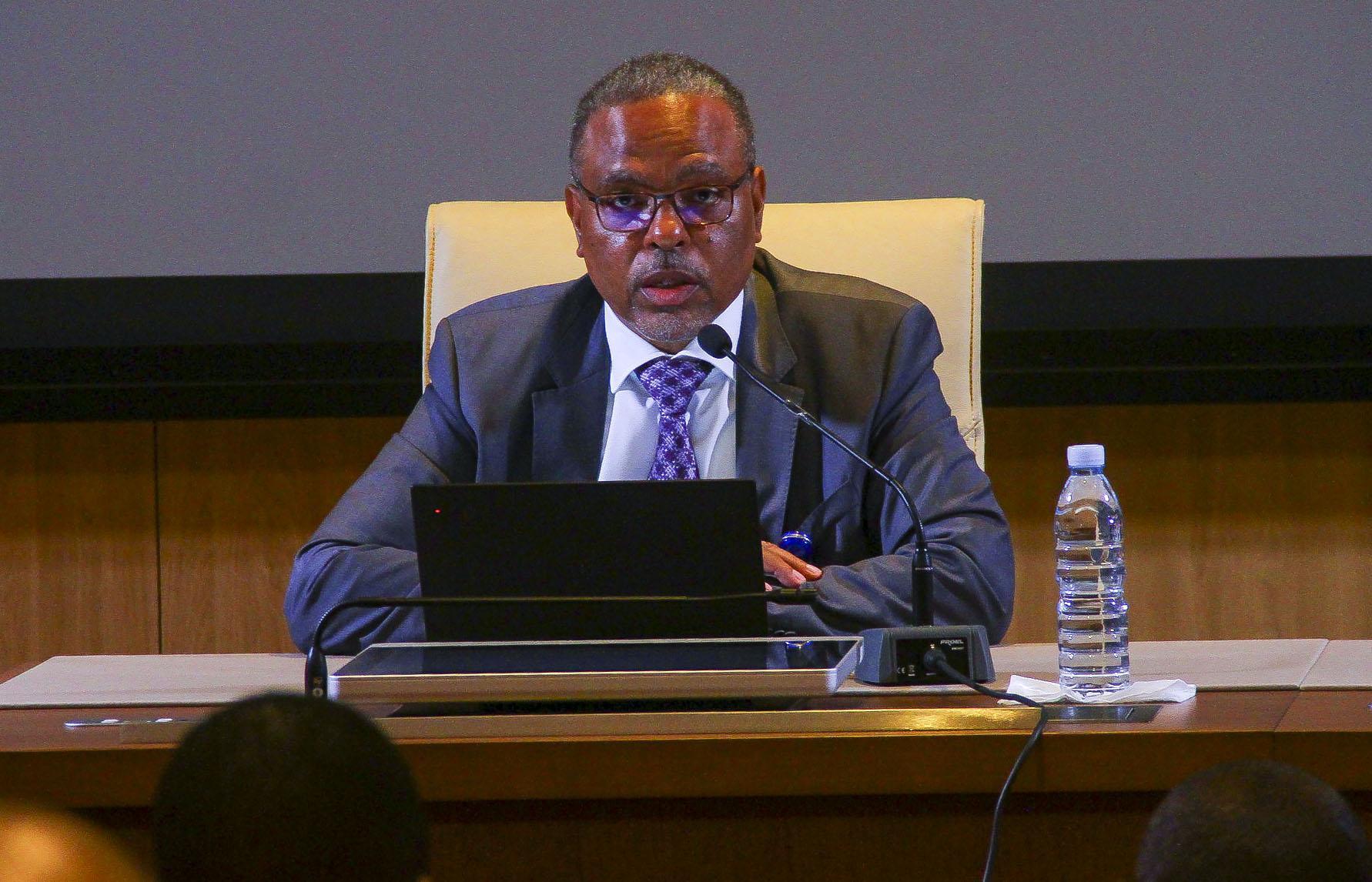
The meeting, which was attended by the Angolan Minister of Industry and Commerce, Rui Minguéns, agreed to improve the use of differentiated treatment provisions (S&DT) for developing and least developed countries (LDCs).
Members, who set out a forward-looking WTO reform agenda, agreed to continue negotiations in all areas where convergence was difficult in MC13.
Members adopted the Abu Dhabi Ministerial Declaration, where they committed to preserving and strengthening the capacity of the multilateral trading system, with the WTO at its core, to respond to current trade challenges.
The Abu Dhabi Declaration emphasizes the centrality of the development dimension in the work of the WTO and, equally, recognizes the role that the multilateral trading system can play in contributing to the achievement of the UN 2030 Agenda and the Sustainable Development Goals.
Members recognized the contribution of women’s economic empowerment and participation in trade to economic growth and sustainable development.
On the other hand, they recognized the role and importance of services for the global economy, as they generate more than two thirds of global economic production and are responsible for more than half of all jobs.
They encouraged the relevant WTO bodies to continue their work to review and build on all lessons learned during the Covid-19 pandemic and to build effective solutions in case of future pandemics in an expeditious manner.
Ministers adopted a Ministerial Declaration that responds to a 23-year mandate to review special and differential treatment (SDT) provisions for developing and least developed countries (LDCs), with a view to making them more precise, effective and operational.
At the start of the Conference, ministers formally approved the terms of WTO accession for the Comoros and East Timor, the first new members in almost eight years.
They agreed on concrete measures to facilitate the path to exit from the category of least developed countries.
In relation to electronic commerce, they instructed the General Council to carry out periodic reviews of the Electronic Commerce Work Program, to present recommendations for action to the Ministerial Conference.
The Ministerial Conference is the highest decision-making body of the World Trade Organization, overseeing the rules of trade between nations, including trade in goods, services and intellectual property.
The Ministerial Conference brought together around four thousand ministers, senior trade officials and other delegates from the 164 WTO members, as well as representatives from civil society, business and the global media.
Initially scheduled for February 26th and 29th, the conference was extended in a final push to reach results on the various issues that were on the table.
For More News And Analysis About Angola Follow Africa-Press