Africa-Press – Botswana. Managers from the departments of Information, Broadcasting, and Printing have been encouraged to draw inspiration from traditional practices of their forefathers to enhance their work environments.
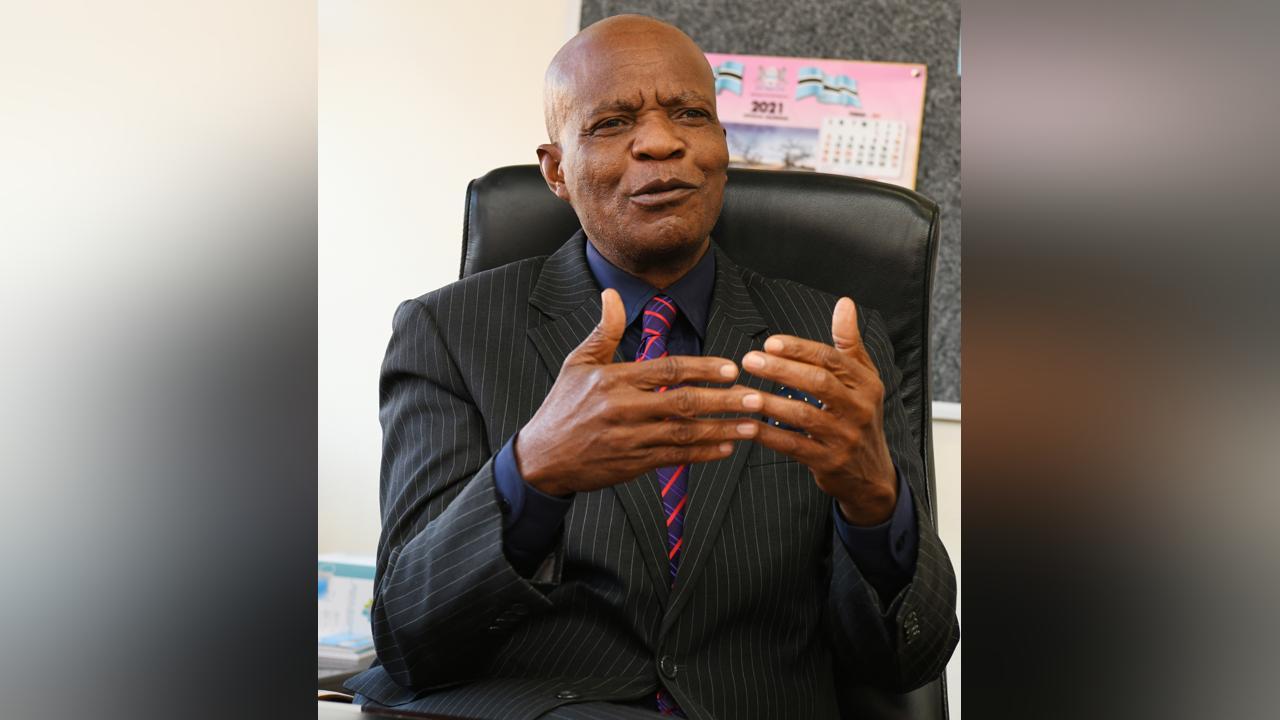
The Chief of Staff in Office of the President, Mr Boyce Sebetela, said this on January 23 during a media mindset change campaign workshop hosted in Gaborone. Mr Sebetela emphasised the importance of embracing the mindset of excellence displayed by the forefathers.
For instance, he said, the artistry of Botswana’s mud huts was a demonstration of intelligence, cleanliness and precision, noting that the elders used cow dung on the floors to keep them clean. Mr Sebetela emphasised the affordability of traditional huts, which he said were constructed from locally available resources.
He urged the managers to adopt this approach in their professional work, stating that incorporating such principles in their work would bring a sense of tranquillity. He encouraged the managers to explore similar practical solutions.
He stressed the value of diligence and excellence in both professional and personal spheres, highlighting its potential to elevate local households and ultimately lead to the transformation of the country into a high-income nation.
He expressed that their departments could potentially evolve into high-income organisations, bringing both personal pride and national distinction through their journalistic skills.
He urged them to set a positive example and leverage their public influence for the greater good.
“Recognise your capacity to drive change, serve as agents of positive transformation and advocate for change within your spheres of influence and tell yourself that you are the change, that you bring change,” he said.
The Coordinator of the National Mindset Change Campaign, Ms Maipelo Sealetsa, echoed Mr Sebetela’s sentiments regarding the importance of traditional principles in fostering teamwork, both in the workplace and at home. She highlighted the principle of mafisa, which she said emphasised assisting those in need.
“This was a practice deeply rooted in traditional Tswana culture.
Before the advent of money as the primary currency, those who owned cattle would employ the less privileged as workers and often lend them cattle, providing them with the means to create wealth,” she stated.
She said embracing this mindset could benefit people in society.
Ms Sealetsa also referred to other traditional principles, such as “molaletsa”, and urged people to learn from Setswana proverbs, such as “Mabogo dinku a a thebana,” and “Setshwarwa ke ntsa pedi ga se thata”, which emphasise the value of teamwork.
She believed that embracing these concepts both at work and at home could greatly improve the quality of their lives. She also cited the significance of consultative meetings known as “morero” and “therisanyo” during wedding sessions.
“These traditional principles have consistently facilitated a peaceful and harmonious way of life for Batswana, ensuring that everyone’s ideas are given due consideration,” she said, and pointed out that this practice was encapsulated in the Setswana sayings, “Mafoko a kgotla a mantle otlhe,” and “Kgosi thotobolo e olela matlakala”.
In the traditional Botswana society, she said, young people underwent bogwera and bojale rites of passage to learn about family values and behaviour, with the expectation that they would uphold the traditions passed from past generations.
She said some cultural practices underpinned entrepreneurial principles, such as the practice of saving money as a group known as “motshelo”.
For More News And Analysis About Botswana Follow Africa-Press