Africa-Press – Botswana. European Union (EU) has been hailed for supporting the implementation of the SADC Regional Agricultural Policy (RAP), which was funded through the European Development Fund.
Minister of Agriculture, Mr Fidelis Molao said the nine million Euro support provided in 2018 had enabled SADC to embark on a collaborative journey aimed at improving the performance of the region’s agricultural sector.
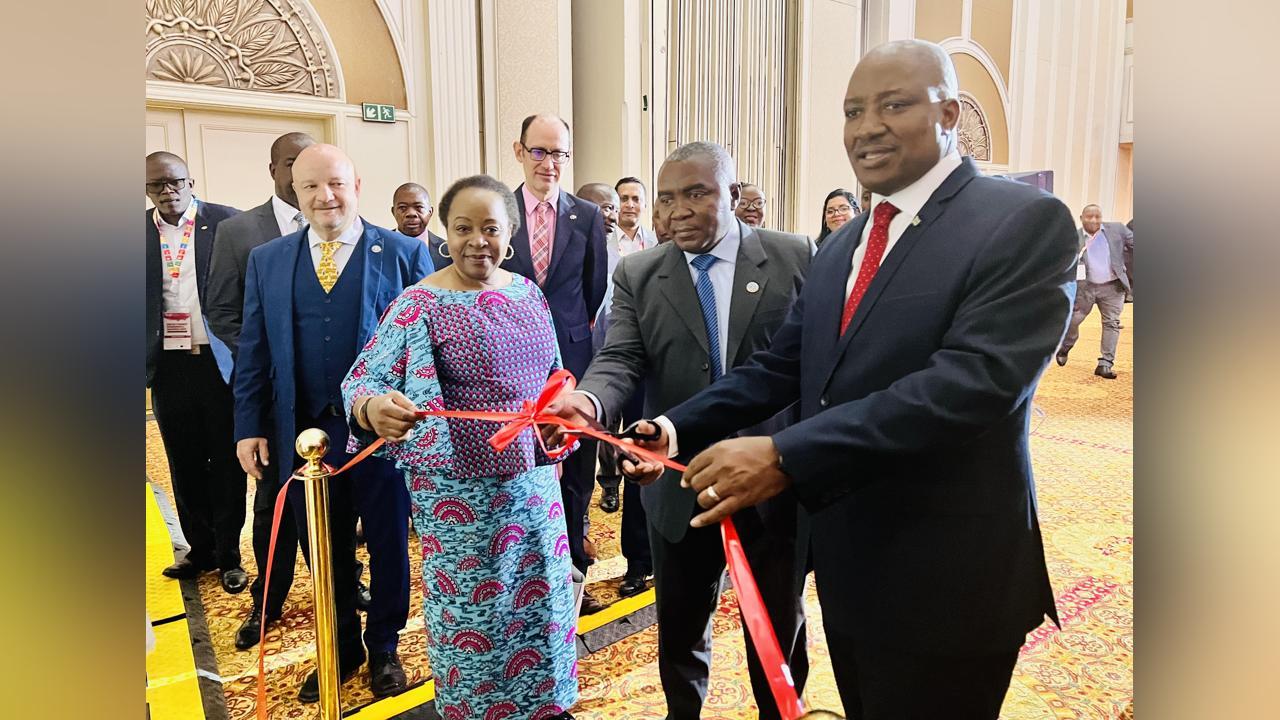
Mr Molao was speaking at a workshop to mark the end of the SADC-led project titled: Support Towards Operationalisation of the SADC Regional Agricultural Policy also known as STOSAR, in Gaborone on Tuesday.
The STOSAR project was designed to provide innovative, inclusive and sustainable solutions to challenges affecting food production, productivity and competitiveness of the region’s agriculture sector.
In that regard, Minister Molao said as the five-year journey of the project came to an end, there had been a transformation in the landscape of agriculture in the SADC region.
“The project has demonstrated that collaboration among the EU, SADC and the Food and Agriculture Organisation (FAO) in partnership with the region’s centres of excellence can bring about the positive transformation of the agricultural sector, he said.
He said it was important to reflect on the progress made by the STOSAR project, particularly in steering SADC countries towards fulfilling the objectives outlined in the SADC regional agricultural policy.
Such objectives include sustainable agricultural production, improving regional and international trade as access to markets for agricultural products, as well as reducing social and economic vulnerability concerning food and nutrition security amid evolving economic and climatic conditions.
Highlighting some notable achievements of the STOSAR project in Botswana, Minister Molao talked about the facilitation of a comprehensive Joint Sector Review of the country’s Ministry of Agriculture.
“The review has provided invaluable insights that have guided our strategic initiatives and fostered an environment conducive to evidence-based decision-making,” he said.
In addition, he pointed out that the targeted capacity-building efforts had equipped government officials with essential skills and knowledge in Agricultural Information Management Systems, Animal Health and Plant Health.
Furthermore, he said the project’s support for surveillance activities of transboundary animal diseases had facilitated swift action to mitigate disease outbreaks, ensuring the health and sustainability of livestock and agricultural enterprises.
Mr Molao also hailed the significant milestone achieved through the STOSAR project of installing a high-end server at the SADC headquarters for the Agricultural Information Management System, enhancing data management and decision-making in agriculture.
He pointed out that the initiative in collaboration with Statistics Botswana, held the potential to make Botswana’s agricultural data readily accessible to global markets.
For his part, the Deputy Head of Cooperation Delegation of the EU for Botswana and SADC, Mr Jose Becerra said they supported the project because they believed in the potential of an organised agricultural sector to contribute significantly to regional integration.
“I am happy to share with you that the EU is working with the SADC Secretariat at present to develop a new programme that will build on the successful outcomes of the current,” he said.
He said STOSAR II project would also contribute towards addressing Industrial Development and Market Integration through a transformed agricultural sector that practices sustainable management of the environment and its natural resources.
He noted that through STOSAR II the EU would continue its support for the SADC Regional Indicative Strategic Development Plan (RISDP) 2020-2030, a comprehensive development and implementation framework developed to guide the regional integration agenda.
He highlighted that STOSAR II would support value chain actors and improve the policy environment to facilitate their access to global markets with high quality and safe products in line with the principles and approaches to agro-ecology.
On the just-ended STOSAR, Mr Becerra noted that the overall objective was to contribute to sustainable agricultural growth and socio-economic development for improved production, productivity, competitiveness, food and nutrition security, and agro-industry development.
Meanwhile, he urged attendees to recognise that challenges of food insecurity remained complex and evolving, exacerbated by factors such as climate change, conflict and economic instability.
He said it was imperative that SADC nations continued to build upon the foundations laid by the project, and redouble efforts to ensure food security for all.
For More News And Analysis About Botswana Follow Africa-Press