Africa-Press – Botswana. Botswana’s strong leadership on the universalisation and implementation of the Biological Weapons Convention (BWC), both at a regional and global level has increasingly contributed to the impact of the Convention.
Dr Sylvain Fanielle, Project Coordinator and Legal Officer with the United Nations Office for Disarmament Affairs (UNODA) said the move has also reinforced the regional security architecture and the country’s preparedness to face events of a biological nature.
He was speaking at the Regional Workshop on Universalisation and Effective Implementation of the Biological Weapons Convention in Southern Africa in Gaborone on Tuesday.
He said UNODA was implementing a project specifically designed to support countries from Africa to strengthen their national implementation of the Convention.
He reiterated that UNODA was fully committed to providing the region with any assistance that it might need to implement the Convention.
He noted that the workshop represented a unique opportunity for member states from the SADC region to learn about the BWC, share experiences, identify challenges and draw lessons learned.
“I am convinced that this event is the inception of a strong and sustainable dynamic to strengthen BWC implementation in Southern Africa and beyond,” he said.
He said the COVID-19 pandemic had demonstrated a collective vulnerability in the face of diseases that rapidly cross borders, causing major human, social and economic damage.
“While bringing biosafety and biosecurity to the forefront, the pandemic also painfully foreshadowed what could happen if a disease was deliberately engineered and released,” said Dr Fanielle.
He said the Biological Weapons Convention was a fundamental pillar of the international security architecture and more relevant than ever to the non-proliferation and disarmament regime.
He said the convention constituted a legally binding instrument prohibiting an entire category of weapons of mass destruction.
“Since its entry into force in 1975, the Convention continues to show its relevance and strength as the legally binding instruments effectively prohibiting biological weapons,” said Dr Fanielle.
He added that the Convention was going beyond non-proliferation, disarmament and security by promoting science and technology and facilitating capacity-building, assistance and cooperation among states parties.
This he said, contributed to strengthening capacities for early warning, risk reduction and management of health risks, thereby supporting steady progress towards the achievement of the Sustainable Development Goals.
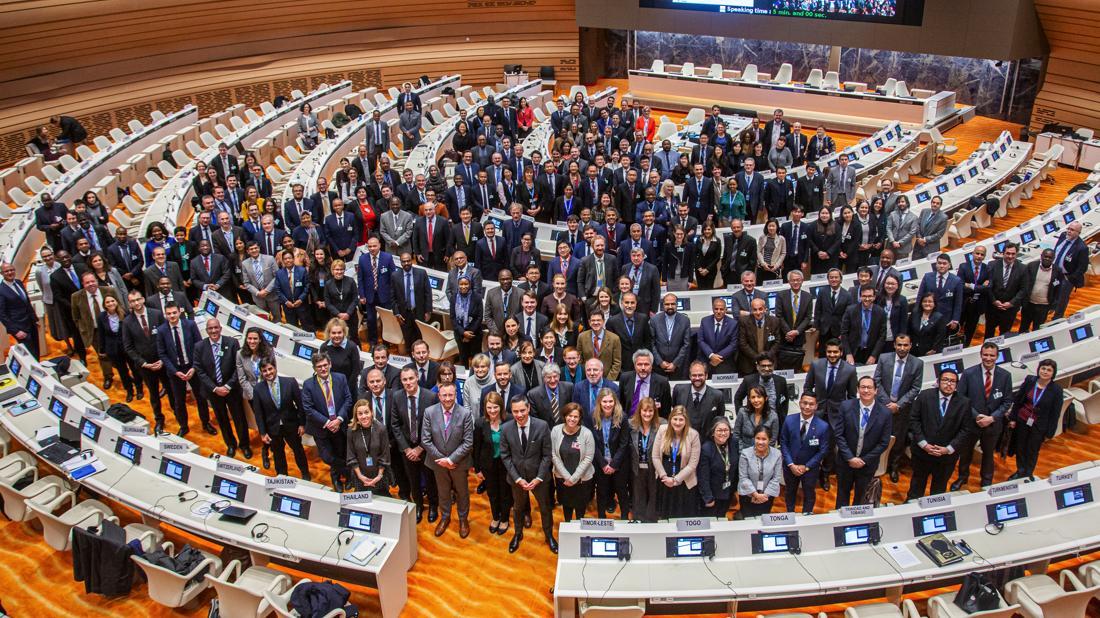
The workshop attended by delegates from the SADC region is conducted by UNODA in cooperation with Botswana government through the Ministry of Defence and Security.
For More News And Analysis About Botswana Follow Africa-Press