Africa-Press – Botswana. The Hunting Trophies (Import Prohibition) Bill which reaches a second reading before the British Parliament this week and seeks to ban the importation of hunted animal body parts into the United Kingdom, could reverse the gains in community development and environmental protection made in recent years.
These were the views expressed by community leaders and non-governmental organisation representatives who came from Botswana to sensitise British legislators and the public about the adverse effects of the bill if passed into law.
The bill seeks to dissuade trophy hunting globally out of conservation concerns, but could make Botswana and neigbouring states lose out on a key market of those taking up hunting concessions.
A group of dikgosi and community-based natural resource management (CBNRM) representatives spoke in one voice during their briefing at the Botswana High Commission in London on Sunday night, that the bill would not have intended conservation benefits.
Ngamiland Council of Non-governmental Organisations (NCONGO) director, Mr Siyoka Simasiku, who has been to London previously when the bill surfaced last year, said the legal instrument would be detrimental to both the communities and the environment.
He said Botswana’s wildlife management, and sustainable, controlled hunting had been beneficial to finding a balance between human interest and sustainable biodiversity, but the trophy import ban would reverse the gains made since Botswana lifted the hunting ban in 2019.
Kgosi Gokgathang Moalosi of Sankoyo said he was particularly disappointed that former president Lt Gen. Seretse Khama Ian Khama had been to the UK and lobbied in favour of the bill.
Kgosi Moalosi said during Lt Gen. Khama’s term in office, a hunting ban was imposed against the will of communities from 2014 to 2018.
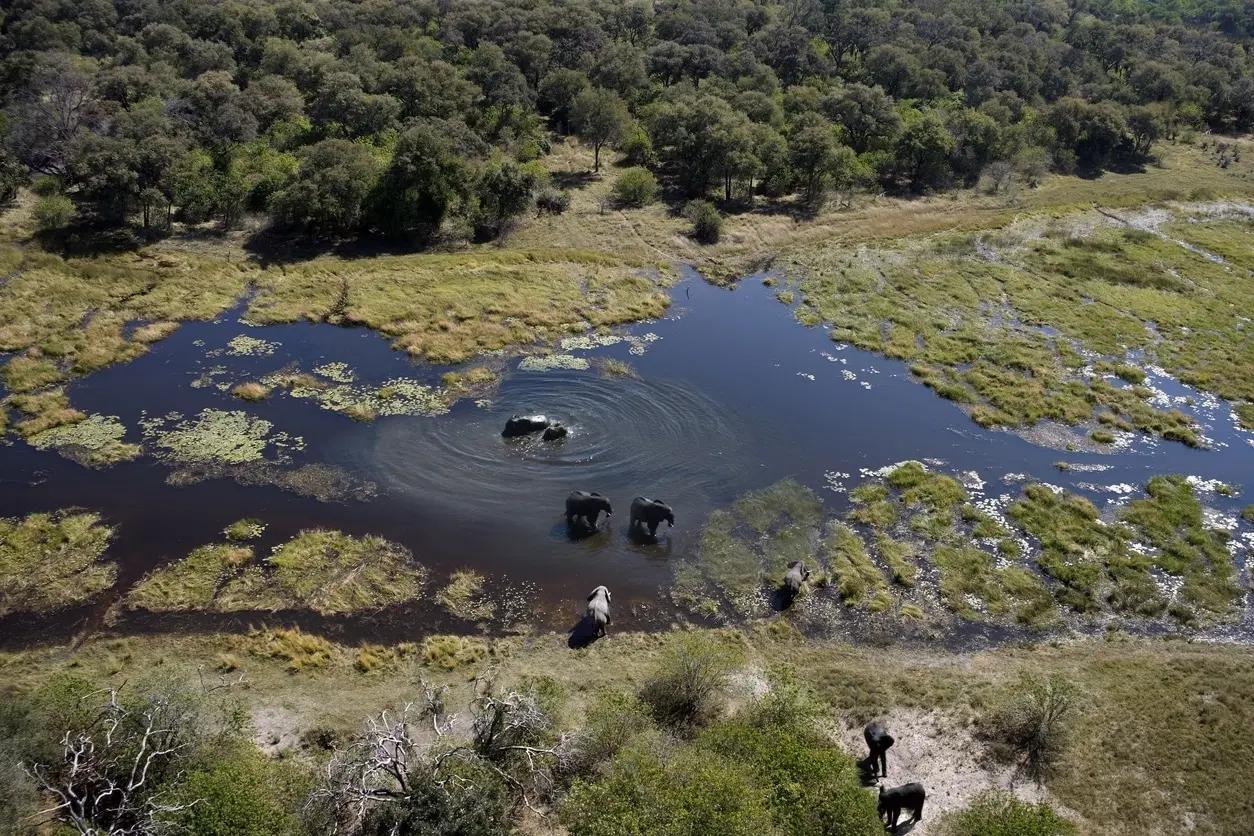
This, he said, led to the increased elephant herd, destroying the lives and agricultural livelihood of communities, as well as the economic collapse of community trusts that had relied on sales of hunting concessions to British and other trophy hunters.
Kgosi Moalosi said after President Dr Mokgweetsi Masisi assumed office in 2018, communities were consulted before their desire of regulated hunting was reintroduced in 2019. Only then did the community trusts start generating funds now used to socially uplift their members, and better manage animal conservation, Kgosi Moalosi said.
He said the bill would dissuade trophy hunting from key British and European markets, which would lessen the revenue they generated for social development and fuel human-wildlife conflict.
Communities from Botswana and neighbouring states including Namibia, South Africa, Tanzania, Zambia and Zimbabwe declared their opposition to the British bill.
These states undertake hunting guided by the SADC Protocol on Wildlife Conservation and Law Enforcement, which advocates for sustainable consumptive use of wildlife resources.
At the end of regulated hunting expeditions, hunters are entitled to import the trophies into their countries following the acquisition of necessary permits, provided they are part of any necessary approved quota.
But animal rights groups from Europe and North America have in recent years extensively lobbied their governments to enforce total ban on hunting trophies entering their territories.
Communities generate funds from acquiring hunting quota licenses and leasing hunting concessions.
According to the Ministry of Environment, Wildlife and Tourism, communities generated P27m from concessions in the 2022 hunting season, rising to P31m in 2023, a substantial amount coming from the North America and Western European markets.
DAILYNEWS
For More News And Analysis About Botswana Follow Africa-Press