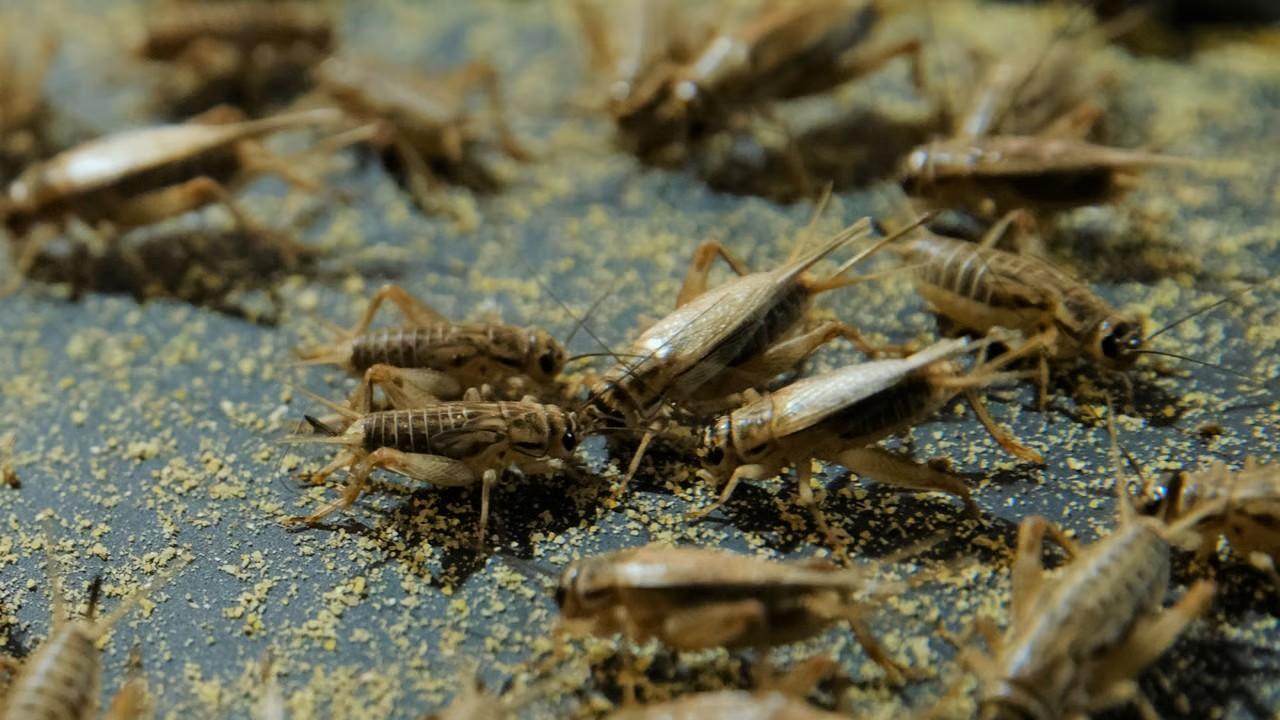
Africa-Press – Botswana. Botswana faces growing demand for affordable and sustainable protein sources. Cricket farming offers an innovative solution for local farmers and entrepreneurs. High in protein, vitamins, and minerals, crickets can be processed into flour, snacks, and animal feed. With low land and water requirements, cricket farming provides an environmentally friendly alternative to traditional livestock.
Start by understanding the market. Edible insects are gaining popularity in Southern Africa, especially in urban areas and health-conscious consumer segments. Restaurants, health food stores, and schools show interest in protein-rich products. Cricket farming for animal feed is also a growing niche, particularly for poultry and fish farms.
Set up a small-scale cricket farm. Use plastic bins, mesh cages, or wooden boxes to house crickets. Maintain a controlled environment with temperatures between 27°C and 32°C and humidity around 70 percent. Provide crickets with a balanced diet of grains, vegetables, and protein supplements. Regularly clean the habitat to prevent disease.
Harvesting crickets requires timing and care. Adult crickets are ready to harvest after six to eight weeks. Use sieves or gentle hand collection to avoid damaging them. Crickets can be boiled or frozen before processing. Drying or roasting extends shelf life and allows for easy packaging into flour or snack products.
Processing crickets adds value. Cricket flour can replace or supplement traditional flour in baked goods, protein bars, and smoothies. Roasted crickets seasoned with spices offer ready-to-eat snacks. Packaging in clear, hygienic containers improves market appeal and allows branding for retail.
Food safety and hygiene are critical. Work in a clean area, use gloves, and maintain consistent temperature and humidity. Proper handling prevents contamination and ensures high-quality products. Label products with storage instructions and production dates to build consumer trust.
Marketing strategies matter. Demonstrate cricket products at local markets, health expos, and schools. Offer samples and educate consumers about nutritional benefits. Online platforms and social media can increase awareness and attract urban customers. Partnerships with retailers and health food stores support broader distribution.
Financial considerations are favorable. Initial setup costs for small farms are relatively low compared to livestock farming. Crickets grow quickly and reproduce efficiently, providing continuous supply. Energy, feed, and labor costs remain manageable, and processed products carry higher margins.
Scaling operations increases profitability. Larger farms require automated feeding and climate control systems. Consistent quality and reliable supply attract wholesale buyers and export opportunities. Botswana’s stable business environment and growing interest in alternative proteins make scaling viable.
Cricket farming represents a unique opportunity in Botswana. It provides sustainable protein, supports local employment, and opens access to emerging markets. Farmers and entrepreneurs who focus on proper management, hygiene, and marketing can build a profitable and innovative business in the country’s growing alternative protein sector.
For More News And Analysis About Botswana Follow Africa-Press