writes Soha Benchekroun
Africa-Press – Botswana. A focus on mitigation potential denies Africa the opportunity to develop through industrialisation, while ignoring the effects of climate change already affecting the continent.
Climate adaptation continues to be overlooked in the multilateral space in favour of mitigation-focused agendas driven by funders due to more evident investment returns.
Mitigation efforts focus on the reduction of climate change causing emissions, while adaptation is about dealing with its effects.
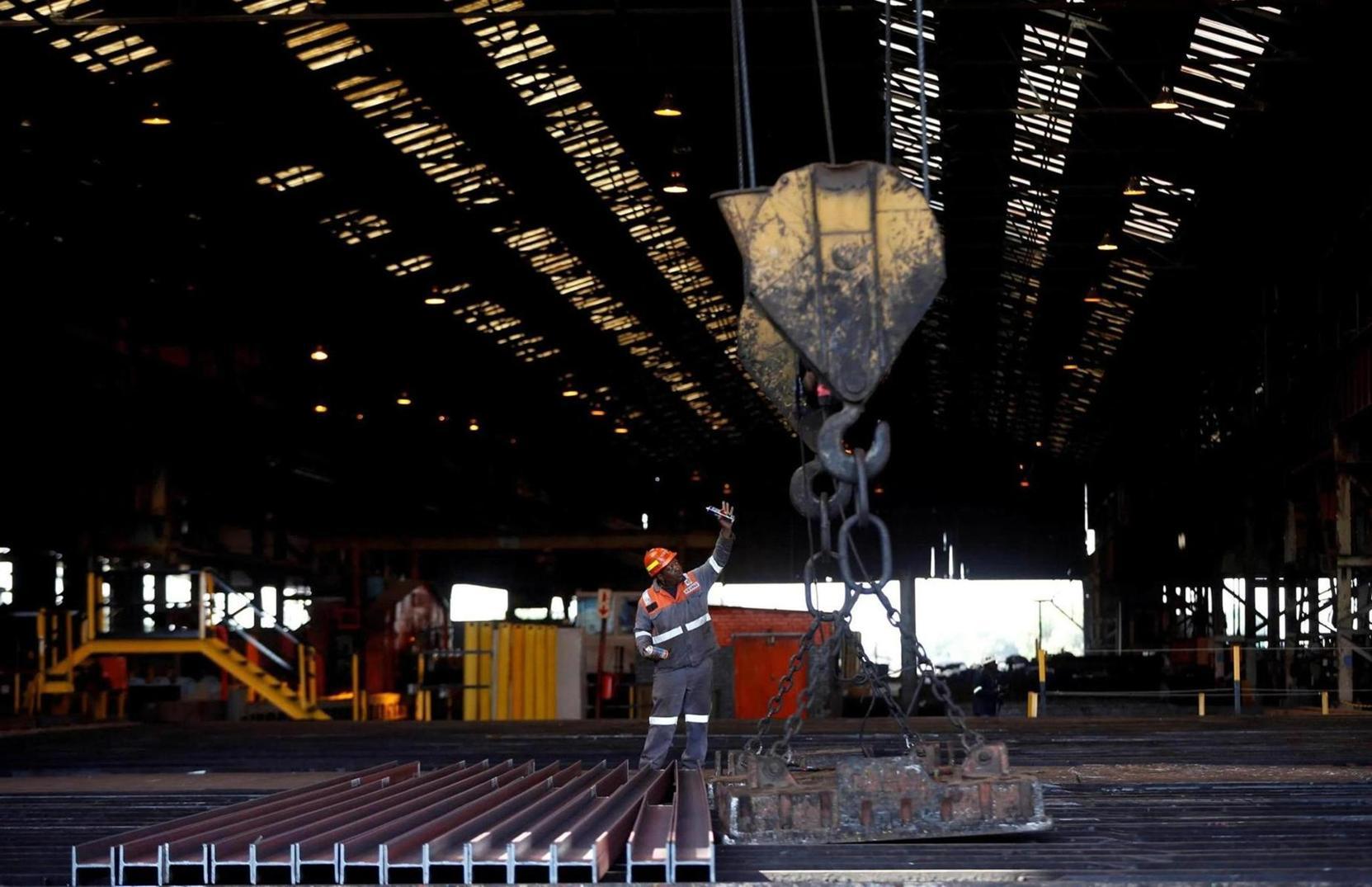
A reductive focus on mitigating emissions could have important implications for African industrialisation, which is a vital component of development. The world’s historical emitters were able to develop through polluting industrialisation and the exploitation of Africa’s resources. Using decarbonisation narratives to kick away the development ladder now would be grossly unjust and inequitable.
An uncontested African common priority, though, is adapting to the escalating impacts of climate change in the continent. Africa should get its rightful share of climate adaptation finance and effectively channel it to tackle its socio-economic imperatives such energy access, infrastructure development, and local transformation of raw materials in an under-industrialised continent.
Climate adaptation
Over the years, there has been a systematic de-prioritisation of climate adaptation funding. In 2023, only 3 per cent of global climate finance was committed specifically to adaptation. The majority of this was debt-based, channelled through loans with a diminishing proportion of concessional finance. This is increasing the indebtedness of developing countries.
In its latest assessment, the UN’s Intergovernmental Panel on Climate Change argues that the issue is not a shortage of capital, but rather the systemic failure of directing the money to the areas of greatest climate vulnerability.
At the national level, things are often no brighter. Many countries in Africa lack the regulations to enforce adaptation measures. They either do not promote enough strategies to enhance adaptive capacity and reduce vulnerability, nor do they ban practices that do not reflect the adaptation urgency we are faced with. As an example, Morocco saw a significant national debate in the past few years around the export of water-intensive crops (such as avocado and watermelon) from arid and semi-arid environments, given associated groundwater depletion risks amid structural, persistent drought. But despite the concerns, the practice continues.
There is also the growing tendency to adopt a purely techno-solutionist approach to addressing water scarcity (turning to desalination, for instance). More generally, we often hear about high-tech solutions to climate change, such as carbon capture or atmospheric water generation. Sometimes these have questionable technical and economic viability, yet are presented as silver bullets, much to the delight of the private companies providing these technologies.
The solutions are not only, or necessarily, technological. We cannot go against nature and then expect technofixes to repair the socio-environmental damage caused. That is true for many mechanisms that are rooted in market logics. “Problems cannot be solved with the same mindset that created them,” to quote Einstein. Instead, solutions can come from redefining our relationship with water, in this case, in a way that wisely recognises the aridity of our land and builds water governance models and food policies accordingly. It also comes from leveraging traditional knowledge systems of smallholder farmers, very often frugal with water and inputs. This is vital for any agroecological shift and any road towards equitable climate adaptation, true food sovereignty and social justice in Africa.
There is a need to balance mitigation and adaptation. But we still see far more policy planning directed towards decarbonising than efforts towards building resilience, even in countries facing urgent adaptation needs. Adaptation projects are inherently linked to people’s livelihoods, while sometimes massive decarbonisation investments can barely create a few hundred jobs and limited socio-economic benefits. The reality is that adaptation projects often have longer payback periods, which contrasts with the capitalist, profit-maximising and short-termist models that our global economy is built on.
African-led approaches to climate adaptation: linkages with infrastructure and industrial development
Development and climate change
On one hand, there is a long overdue drive towards industrialisation in Africa. Countries are trying to move away from economies based on extractive industries to create value and wealth domestically from their resources.
On the other hand, adaptation to climate impacts is increasingly becoming an African priority. There is a need to align adaptation efforts with poverty eradication, job creation and socio-economic objectives through an adaptation-infrastructure-industrialisation nexus.
Currently, about 90 per cent of tracked adaptation finance to Africa comes from international public institutions, with more than half as loans. The continent needs to take ownership of its adaptation priorities, from project planning to implementation to data governance, by creating its own national climate funds and by having local expertise lead the projects.
Also critical is the role of sub-regional, regional, and pan-African synergies for the deployment of joint funds and programs, at a time when international climate finance is becoming increasingly unreliable. The implementation of the African Continental Free Trade Area should also be an accelerator of resilient infrastructure development across the continent. It should promote regional value chains while implementing national and sub-national adaptation plans and supporting adaptation mechanisms or projects that fall within Special Economic Zones or industrial ecosystems in Africa.
In this nexus, local private sectors have an important part to play. Local champions must be promoted, and space must be built for African-led impact investing. When it comes to foreign private sector operating in Africa, this conversation should go hand in hand with that of social and environmental safeguards, especially as far as critical infrastructure projects or sensitive adaptation sectors such as water, healthcare and access to basic human necessities are concerned. This should contribute in fine to genuine social transformation and not be a mere tokenism related to extra-financial reporting obligations, or to Corporate Social Responsibility as a PR strategy.
How serious the world is about reforming a broken global financial architecture is central to this discussion. Achieving equitable climate adaptation requires us to account for the root causes of vulnerability and inequity, and redress underlying structural conditions. This includes the legacy of colonialism and the Bretton Woods institutions.
Escaping the debt trap African countries are facing won’t be achieved via band-aid tools or instruments that provide so-called temporary debt relief, but through a complete rethinking of the very foundations of our current financial system to free it from its predatory lending practices and neoliberal schemes.
Aside from a few steps that can be welcomed, COP30 didn’t send a signal for such a course correction. There was a weak outcome on adaptation finance (an agreement on tripling the funds by 2035). This agreement deferred the date of delivery and diluted the historical responsibility of developed countries and their legal obligation to provide public, non-debt-generating finance. Instead of helping with adaptation, this could further expose low-income countries to the same patterns of conditional financing that end up benefiting the elites responsible for the breakdown of the climate system.
For More News And Analysis About Botswana Follow Africa-Press