Africa-Press – Botswana. Botswana holds the largest elephant population in the world. Your attention to this issue is important because the Kavango Zambezi Transfrontier Conservation region faces growing pressure on wildlife and communities. The region covers 516 406 square kilometres across Botswana, Angola, Namibia, Zambia and Zimbabwe. It includes 36 protected areas made up of national parks, game reserves, community conservancies and wildlife management areas. These areas support key ecosystems and the livelihoods of people who depend on nature based tourism.
The member countries work together to align conservation policies and manage shared natural resources. Their cooperation supports economic development through tourism and helps maintain wildlife corridors that elephants use during seasonal movements. Strong collaboration across borders stabilises habitats for migrating herds and reduces fragmentation that threatens long term survival.
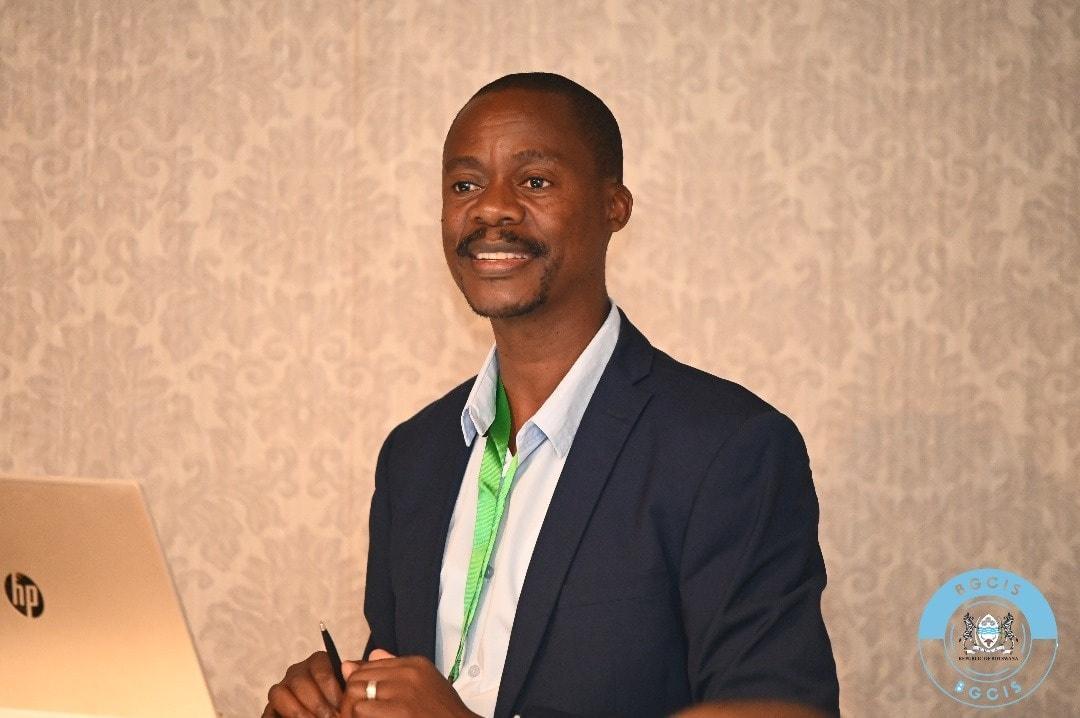
Universities play an important role in conservation. Professor Ditiro Benson Moalafhi explained that universities provide research that guides decision making. They support long term ecological studies that track how protected areas change over time. They design communication strategies that inform policy. They offer training that builds skills among conservation professionals. Their work strengthens the knowledge base needed for sustainable wildlife management.
Professor Moalafhi concluded that universities have expanded their roles in conservation. They generate knowledge, support research and help shape policy. They provide professional development that builds strong teams for future conservation work.
Professor Victor Muposhi focused on the need to balance conservation with community needs. He noted that this responsibility is global. Communities rely on land and water for food and income. Wildlife depends on intact ecosystems. Coexistence is necessary for both.
Professor Muposhi outlined several challenges. Water scarcity is increasing due to climate variability and frequent droughts. Feed shortages affect both livestock and wildlife. Landscape changes shift elephant movement patterns. Human settlements continue to expand into former wildlife spaces. Human elephant conflict is rising as elephants raid crops and compete for water. These pressures weaken food security and raise safety risks for people and animals.
The region needs practical approaches that reduce these challenges. Telemetry data helps track elephant movements with GPS collars. Spatial analysis helps identify conflict hotspots. Citizen science allows communities to report sightings and incidents. These tools provide real time information that improves response planning and lowers conflict.
Panelists Professor Muposhi, Mr Neo Mahupeleng and Mr Mokwaledi Mafa agreed that community involvement is essential. Communities need support to protect crops, manage water points and report incidents. Their participation strengthens conservation efforts and reduces hostility toward wildlife.
Botswana’s position in the KAZA region gives it a major role in shaping the future of elephant conservation. Your support for science, policy and community engagement can help secure these landscapes. Strong cooperation among governments, researchers and local communities creates solutions that protect elephants and improve livelihoods.
botswanayouth
For More News And Analysis About Botswana Follow Africa-Press