Africa-Press – Botswana. Botswana’s mining industry produces large amounts of used and obsolete equipment each year. Trucks, drills, conveyor belts, and metal parts often reach the end of their service life but still contain valuable materials. Upcycling these discarded items presents an opportunity for entrepreneurs, small manufacturers, and artisans to create products for local and international markets.
Start by identifying usable equipment. Mining companies regularly replace machinery that is outdated but still contains metal, motors, and other reusable components. Focus on items such as steel frames, gears, engine parts, and hydraulic systems. Conduct inspections to determine which components are safe and functional for repurposing.
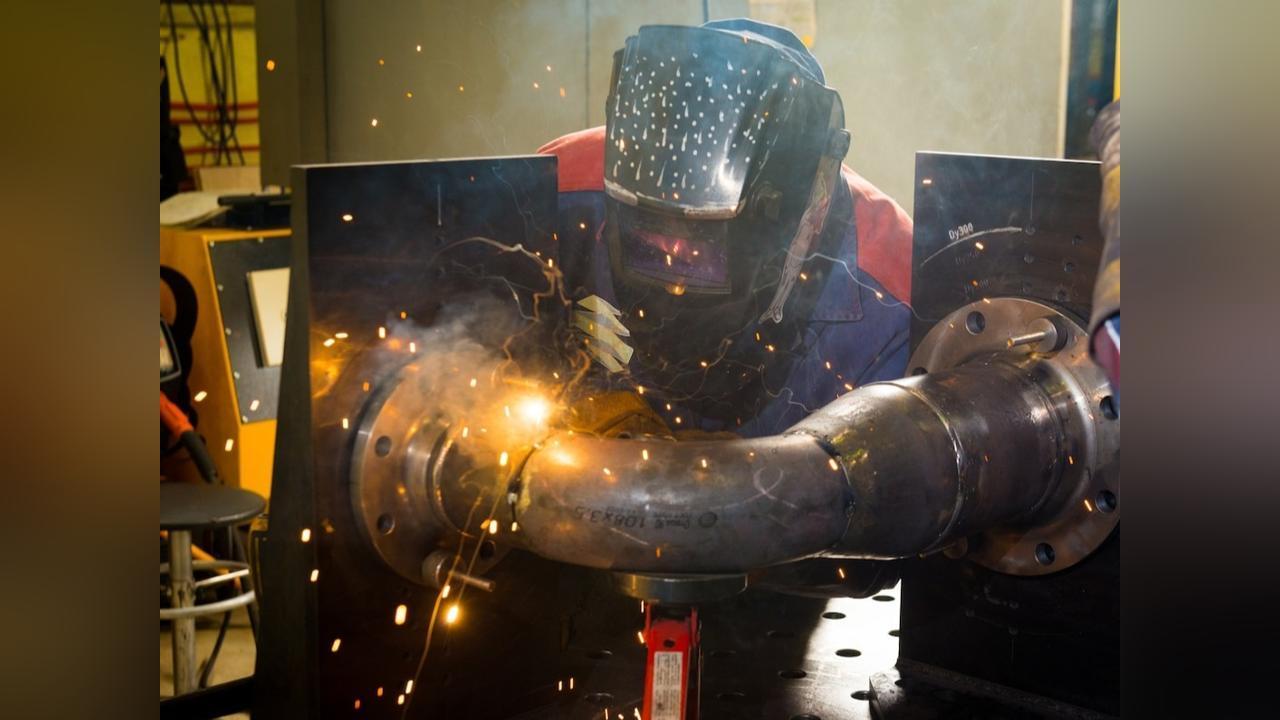
Metal fabrication is a common upcycling approach. Steel frames from trucks and conveyors can be cut, welded, and reshaped into furniture, storage racks, or construction materials. Engine parts and gears can become industrial art, mechanical furniture, or functional components for other machinery. Upcycling adds value while reducing waste.
Electrical and mechanical components also offer opportunities. Motors, pumps, and wiring can be refurbished or adapted for new industrial uses. Small businesses can repair and sell these components to farmers, workshops, and manufacturing facilities. This supports a circular economy while meeting local demand for affordable machinery parts.
Safety is critical. Discarded mining equipment can be heavy, sharp, or contain toxic substances such as lubricants and battery acids. Use proper protective gear, ventilated workshops, and safe handling procedures. Train workers to dismantle and repurpose parts safely to prevent accidents.
Packaging and marketing matter for consumer-oriented products. Upcycled furniture, décor, and industrial-style items sell well in urban markets. Highlight the recycled nature of products and their connection to Botswana’s mining heritage. Clear labeling and quality control help build trust with buyers.
Local partnerships enhance opportunities. Collaborate with mining companies to access discarded equipment legally and regularly. Work with metal workshops and artisans for fabrication and finishing. Shared expertise reduces costs and improves product quality.
Regulatory compliance is important. Ensure adherence to environmental and safety laws when handling scrap materials. Some items may require permits for transport or processing. Complying with regulations reduces legal risks and supports sustainable practices.
Market demand is growing for sustainable and industrial-style products. Restaurants, hotels, and homeowners increasingly value upcycled furniture and décor. Industrial components remain in demand for workshops and small manufacturing businesses. Combining functionality with aesthetic appeal increases sales potential.
Upcycling Botswana’s discarded mining equipment provides a profitable and sustainable business model. By carefully selecting usable items, applying skilled fabrication, and maintaining safety and quality standards, entrepreneurs can turn waste into value. This approach supports local economies, reduces environmental impact, and creates innovative products from materials that would otherwise be discarded.
For More News And Analysis About Botswana Follow Africa-Press