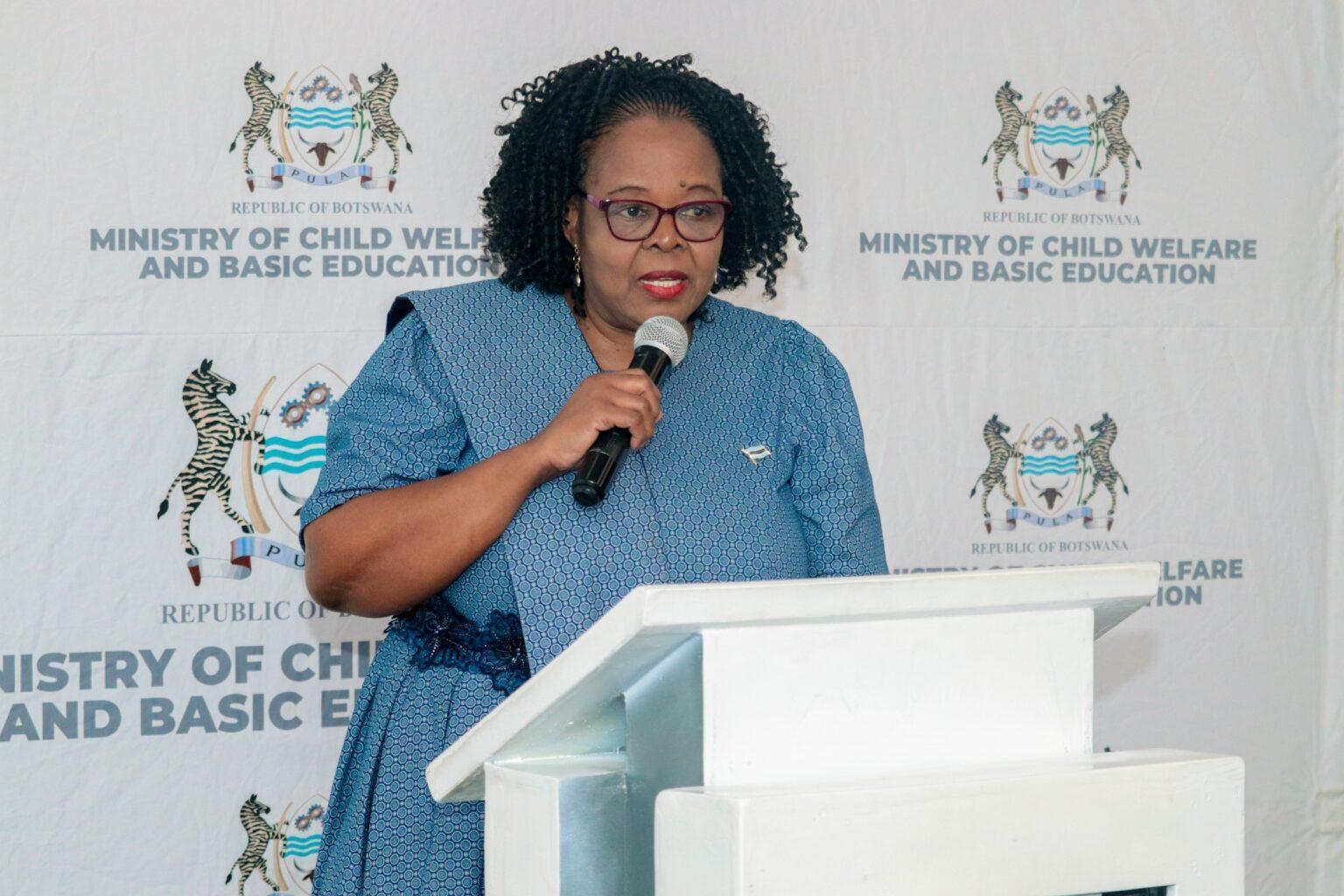
Africa-Press – Botswana. Botswana is taking a more coordinated approach to protecting its cultural and natural heritage, with Minister of Child Welfare and Basic Education, Honourable Nono Kgafela Mokoka, calling for stronger collaboration across government institutions. Speaking at a high level UNESCO dialogue held in Gaborone on 17 March, the Minister stressed that heritage protection cannot be handled by a single department. She made it clear that safeguarding national heritage requires joint action from multiple sectors working toward a shared goal. This approach reflects the growing recognition that heritage is not only about preservation but also about national identity and long term sustainability. The dialogue brought together key stakeholders to align efforts and improve how Botswana implements international heritage standards.
The Minister highlighted the central role of education in preserving heritage and building awareness among citizens. She explained that schools and learning institutions are critical in passing down cultural knowledge and values to younger generations. By integrating heritage topics into education systems, the country can ensure that future generations understand and appreciate their cultural and natural assets. This approach also encourages active participation from young people in conservation efforts. When citizens understand the value of heritage, they are more likely to protect it. Education therefore becomes a practical tool for long term preservation and national pride.
The dialogue, organised by the Botswana National Commission for UNESCO, created a platform for ministries and stakeholders to engage on the implementation of the UNESCO World Heritage Convention. The session focused on strengthening coordination and improving awareness of the responsibilities that come with the Convention. Participants discussed how different government departments can align their policies and actions to support heritage protection. The Minister noted that stronger governance systems would allow Botswana to meet its international obligations more effectively. She also pointed out that coordinated action could position the country as a leader in heritage conservation at both regional and global levels. This strategic approach aims to turn commitments into measurable outcomes.
Stakeholders from various ministries shared insights on how their sectors contribute to heritage protection. The Ministry of Environment and Tourism plays a role in conserving natural sites and promoting sustainable tourism. The Ministry of Lands and Agriculture supports responsible land use planning to prevent damage to heritage areas. The Ministry of Minerals and Energy ensures that mining and infrastructure development do not compromise protected sites. These roles show that heritage protection cuts across multiple sectors, each with specific responsibilities. When these efforts are aligned, the impact is stronger and more sustainable. This reinforces the need for a whole of government approach.
Participants also emphasised the importance of integrating heritage protection into national development planning. This ensures that conservation efforts are not treated as separate from economic growth but are part of a broader development strategy. Protecting heritage can create economic opportunities through tourism while preserving cultural identity and environmental resources. By linking conservation with development goals, Botswana can achieve balanced growth that benefits both current and future generations. This approach also reduces conflicts between development projects and heritage preservation. It creates a framework where progress and protection can exist together.
The UNESCO dialogue in Gaborone highlights Botswana’s commitment to strengthening heritage protection through coordinated government action. The call for collaboration across ministries reflects a clear understanding that effective conservation requires shared responsibility. By focusing on education, governance, and integrated planning, the country is building a strong foundation for preserving its cultural and natural heritage. The engagement of multiple stakeholders ensures that efforts are aligned and impactful. With continued commitment, Botswana is well positioned to protect its heritage while advancing sustainable development for future generations.