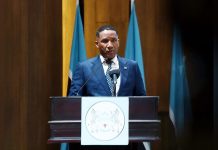
Africa-Press – Botswana. Botswana’s energy sector is undergoing a planned transformation as the country sets its sights on a major shift toward renewable power by 2030. Minister of Minerals and Energy, Bogolo Kenewendo, has indicated that in 2024, Botswana’s energy mix contained less than 10 percent renewable energy. She noted that the country is now on track to achieve a 50-50 balance between renewable and conventional energy sources by 2030. The statement reflects a strategic push to reshape the national energy landscape within a relatively short timeframe. It also highlights growing urgency around energy security, sustainability, and long-term economic stability. The government’s focus is on accelerating investment, policy reform, and infrastructure development to support this transition.
The current energy profile, with renewable energy still below 10 percent, shows that Botswana remains heavily dependent on conventional power sources. This includes energy generated from fossil fuels, which continues to form the backbone of electricity supply. However, the shift toward renewable energy is gaining momentum through solar, wind, and other clean energy projects. Botswana’s geographic conditions, particularly its high solar irradiation levels, make it well suited for solar power expansion. The Minister’s remarks point to a deliberate effort to use these natural advantages to reduce dependence on non-renewable sources. This transition is also linked to broader national goals of reducing emissions and improving energy resilience.
The target of achieving a 50-50 energy mix by 2030 represents a significant policy ambition that requires coordinated action across multiple sectors. It demands large-scale investment in renewable energy infrastructure, including generation plants, transmission systems, and storage solutions. It also requires regulatory frameworks that encourage private sector participation and international partnerships. Energy diversification is seen as critical for reducing vulnerability to global fuel price fluctuations and supply disruptions. The government’s approach emphasizes long-term planning and structured implementation rather than short-term adjustments. This makes energy reform a central pillar of Botswana’s economic development strategy.
Renewable energy expansion in Botswana is expected to play a key role in job creation and industrial growth. Large-scale solar projects, in particular, have the potential to generate employment in construction, engineering, maintenance, and technical services. The energy transition also supports the development of local expertise in clean energy technologies. As more projects come online, opportunities for skills transfer and training are expected to increase. This positions the energy sector as not only a utility provider but also a driver of economic transformation. The Minister’s statement reflects confidence that the country can align energy policy with broader development objectives.
The shift toward a balanced energy mix also supports environmental sustainability goals. Reducing reliance on fossil fuels can help lower carbon emissions and improve air quality over time. It also aligns Botswana with global climate commitments and regional energy transition trends. Many countries are moving toward cleaner energy systems, and Botswana’s target places it within this broader international movement. The emphasis on renewable energy reflects a recognition that long-term energy security depends on sustainable sources. This transition is therefore both an environmental necessity and an economic strategy.
Minister Bogolo Kenewendo’s statement underscores a clear national direction for Botswana’s energy future. Moving from less than 10 percent renewable energy in 2024 to a projected 50-50 mix by 2030 represents a major structural change. It requires sustained investment, policy consistency, and strong institutional coordination. The goal reflects both ambition and urgency in addressing energy challenges while preparing for future demand. If achieved, this transformation would mark a significant milestone in Botswana’s development path, strengthening energy security, supporting economic growth, and advancing sustainability objectives.
For More News And Analysis About Botswana Follow Africa-Press