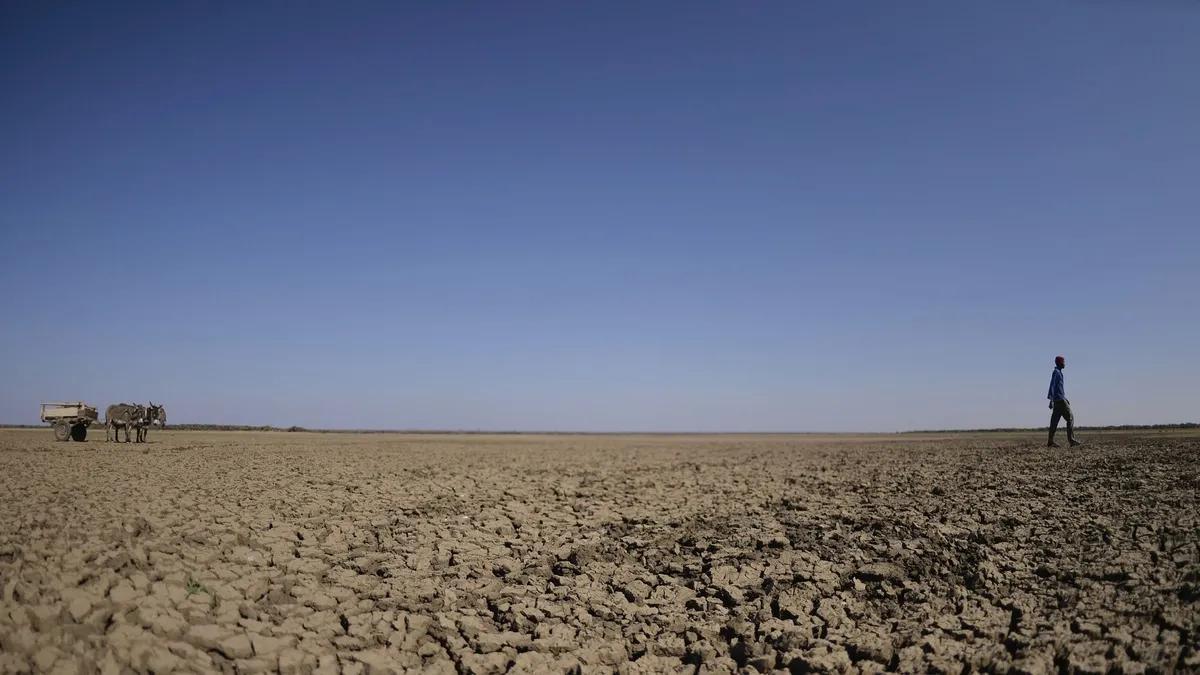
Africa-Press – Botswana. Botswana’s lead negotiator at the COP28 climate talks, Balisi Gopolang, has voiced sharp criticism towards developing nations for their apparent backtracking on commitments to adaptation financing. This comes at a time when Botswana is grappling with severe climatic challenges, starkly highlighted by the record-breaking El Niño phenomenon between 2014-2016 which resulted in the drying up of the Gaborone Dam.
2023: The Warmest Year in Recorded History
Adding fuel to an already burning issue, scientists have declared 2023 as the hottest year in recorded history. Furthermore, a report from the Southern African Development Community (SADC) predicts an extremely arid 2023-2024 season for the region. These developments underscore the critical need for Botswana, and indeed the rest of the world, to prioritize adaptation strategies in response to the escalating impacts of climate change.
Africa’s Struggle with Climate Adaptation
In 2024, Botswana stands at the forefront of Africa’s struggle to address the ramifications of climate change. The continent has made significant strides in gaining representation in international diplomatic and economic forums, while insisting on local beneficiation of critical minerals essential for the energy transition. African leaders are pressing for more robust implementation of climate finance commitments and advocating for a doubling of energy investment to achieve universal electrification by 2030.
Opportunities Amidst Adversities
Despite these challenges, opportunities exist to harness renewables and green hydrogen to power industrial-scale mineral processing, offering a glimmer of hope in a dire situation. As the continent faces a mounting debt crisis, exacerbated by the impacts of climate change, Botswana’s efforts in confronting climate adaptation serve as a crucial example of resilience and strategic foresight.
For More News And Analysis About Botswana Follow Africa-Press