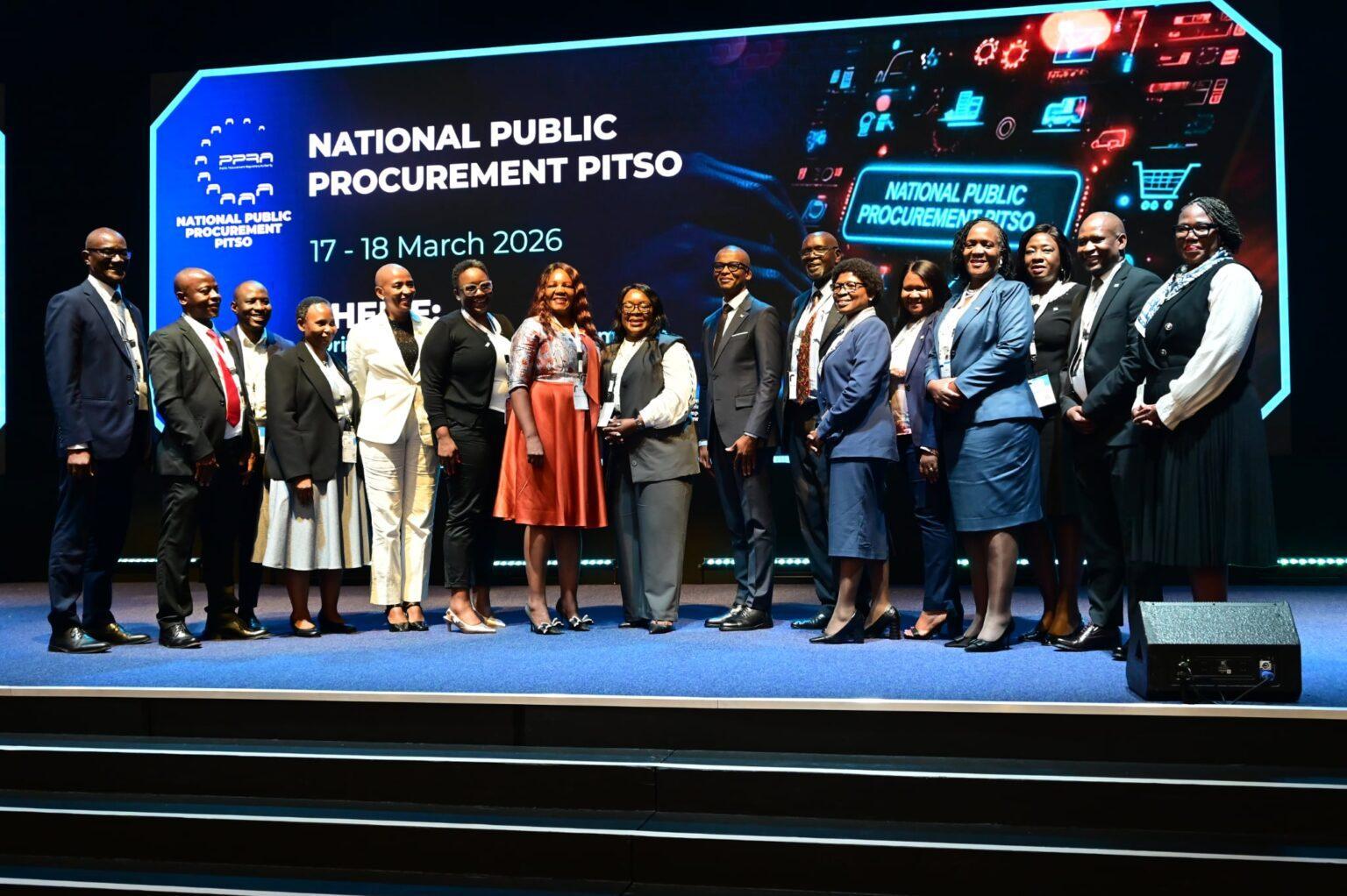
Africa-Press – Botswana. Botswana is set to transform how it manages public resources with the introduction of a fully digital public procurement system by 2027. Vice President Ndaba Gaolathe announced this major development while delivering the keynote address at the National Public Procurement Pitso held in Gaborone on 17 March 2026. The announcement signals a strong commitment by government to modernise procurement processes and improve efficiency across all sectors. The planned system will replace traditional methods with a streamlined electronic platform designed to enhance transparency and accountability. This move reflects a broader effort to align public finance management with global best practices and technological advancement.
The new e-procurement platform is expected to deliver measurable benefits based on international experience. According to the Vice President, countries that have adopted similar systems have achieved transaction cost savings of up to 42 percent, along with efficiency improvements of around 30 percent in certain areas. These gains come from reducing manual processes, minimising delays, and improving coordination between stakeholders. Faster procurement cycles mean that goods and services can be delivered more quickly, which improves service delivery across government departments. At the same time, digital systems create clear audit trails, which strengthen oversight and reduce the risk of corruption.
A key feature of the system will be the integration of digital bidding and open access to tender information. This approach allows suppliers to participate more easily and compete on a fair platform, which increases market access and encourages innovation. By making procurement data more accessible, the system will also support better decision making and market analysis. Increased competition often leads to better pricing and improved quality of goods and services. The platform will also contribute to Botswana’s efforts to combat financial crime by linking procurement processes to anti money laundering frameworks. This integration strengthens financial integrity and ensures that public funds are used responsibly.
The National Public Procurement Pitso, convened by the Public Procurement Regulatory Authority, serves as an important platform for reviewing progress and addressing challenges in the sector. The two day event brings together stakeholders from government, business, and civil society to evaluate the implementation of the Public Procurement Act of 2021. Discussions focus on identifying inefficiencies and proposing solutions that can improve service delivery. The Vice President acknowledged that challenges such as outdated systems and limited capacity still exist. However, he emphasised that these obstacles can be addressed through coordinated reforms and sustained commitment.
Beyond technology, the success of the new system will depend on the people who manage and implement it. The Vice President stressed that transparency, fairness, and good governance are driven by individuals, not just systems. This highlights the importance of training, accountability, and a strong ethical culture within public institutions. While digital tools can improve processes, they must be supported by responsible leadership and skilled personnel. The ongoing review of the Public Procurement Act is part of a broader reform agenda aimed at removing inefficiencies and strengthening governance structures. These efforts ensure that the new system operates effectively and delivers long term value.
Botswana’s plan to introduce a fully digital public procurement system by 2027 represents a significant step toward modernising public sector operations. The expected benefits include cost savings, improved efficiency, enhanced transparency, and stronger financial oversight. By integrating digital tools with policy reforms and capacity building, the government is creating a more accountable and competitive procurement environment. Continued stakeholder engagement and institutional commitment will be critical to the success of this initiative. The system being developed today has the potential to shape a more efficient, transparent, and resilient public sector for the future.