Africa-Press – Botswana. Community-based tourism in Botswana has grown significantly in Maun and Kasane, offering economic opportunities for local people and meaningful experiences for visitors. These ventures combine conservation, culture, and community development to benefit both residents and tourists.
In Maun, many initiatives support wildlife conservation and cultural heritage. Tourists can engage with traditional homesteads, learn basket weaving, participate in community projects, or support local clinics and elderly care centers. Local tour operators often employ community guides, contribute to local employment, and reinvest in the region.
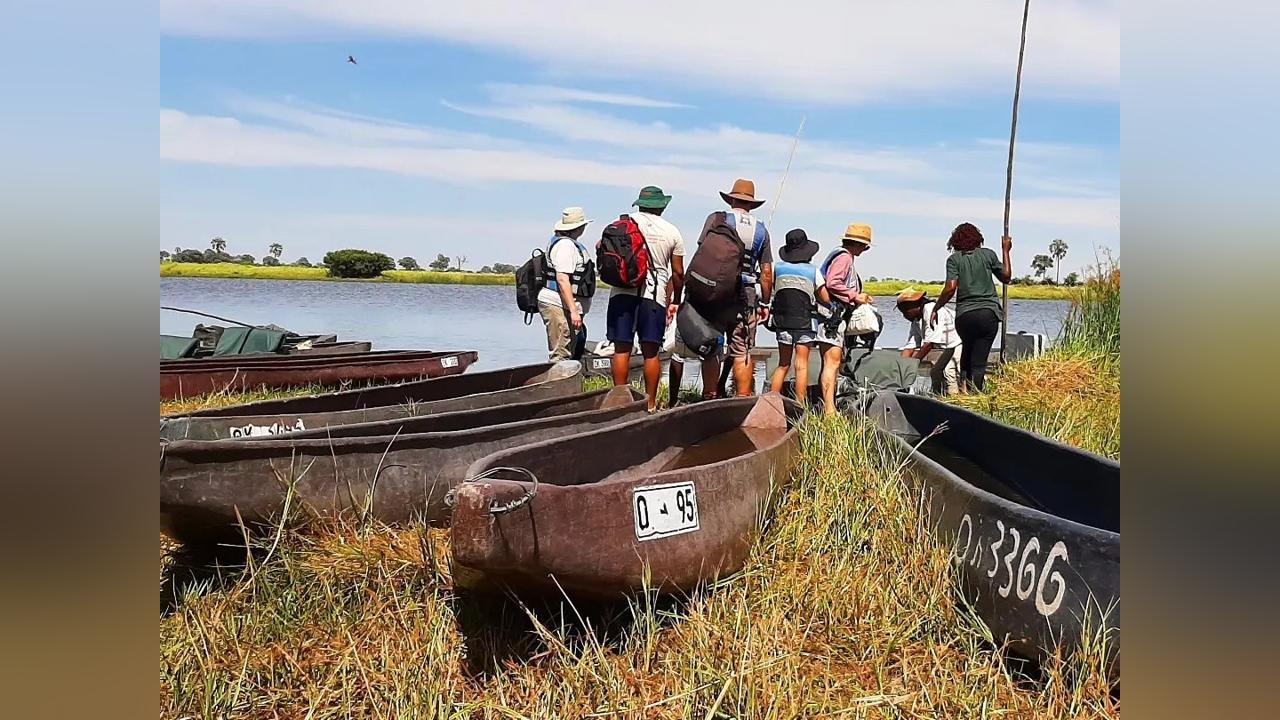
Community-managed natural resource areas provide another model. The Khwai community concession, adjacent to the Moremi Game Reserve, operates as a conservation-driven tourism project. The local community manages eco-tourism activities like game drives and traditional canoe trips, allowing them to benefit directly from wildlife protection. This approach links environmental sustainability with local livelihoods.
Near Kasane, the Chobe Enclave Conservation Trust includes several villages bordering the Chobe National Park. Communities earn revenue from non-consumptive tourism such as photographic safaris and river cruises while retaining ownership rights to land and wildlife resources. The Kasane-Kazungula redevelopment project aims to create tourism concessions owned by local citizens, upgrade riverfront infrastructure, and offer diverse tourism products to attract longer stays, channeling more benefits into local households.
Community-based tourism brings clear advantages. Communities earn income, gain tourism skills, and engage in conservation efforts that protect their environment. However, challenges remain. Some locals feel they lack real decision-making power, and benefits can be uneven. Some projects rely heavily on external funding or tourist numbers, which can affect sustainability.
Strong partnerships are key to success. Local trust bodies working with professional tourism operators can improve management, marketing, and technical skills. Joint ventures between communities and private investors help locals capture more value and influence operations. Training and capacity building are essential for running tourism infrastructure, maintaining quality standards, and connecting with travelers.
For visitors, community-based projects in Maun and Kasane provide a more meaningful experience. Guests can stay in eco-friendly lodges, engage with local culture, support traditional practices, and contribute to wildlife conservation and community welfare. In Maun, this might involve basket weaving or visiting youth and heritage projects, while near Kasane, travelers can enjoy river cruises that support local trusts and villages.
Community-based tourism in Maun and Kasane demonstrates how tourism can preserve nature, empower local people, and offer visitors unique experiences. With careful investment, collaboration, and respect, these ventures can grow sustainably and equitably along Botswana’s northern tourism corridor.
botswanayouth
For More News And Analysis About Botswana Follow Africa-Press