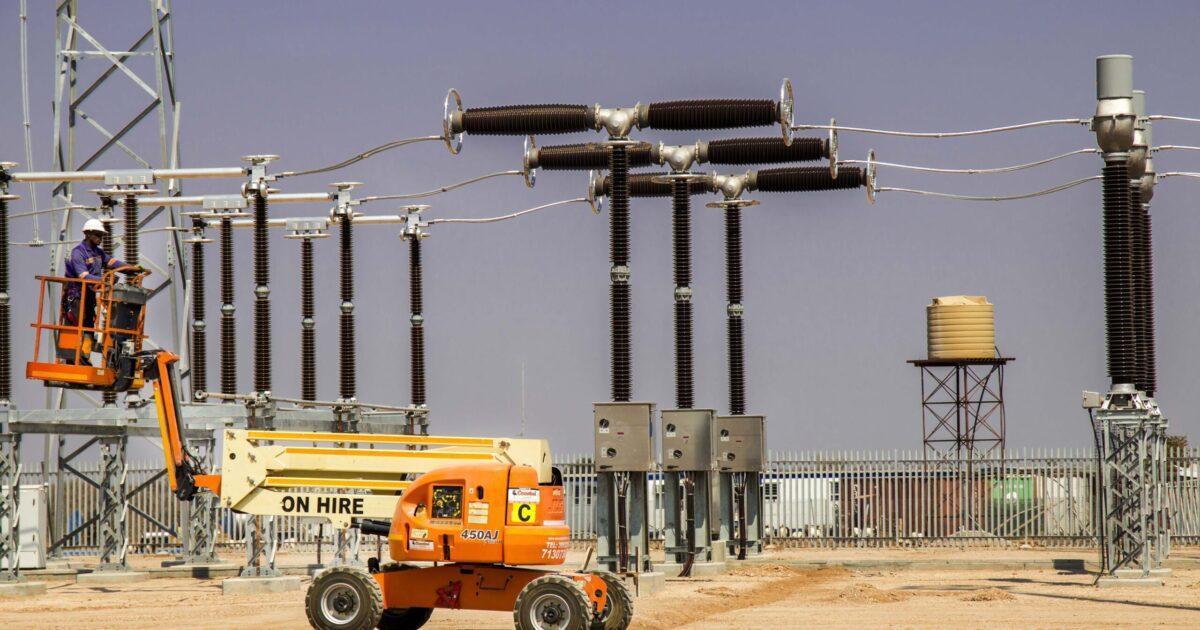
Africa-Press – Botswana. According to a newly released BPC brief, Botswana continues to grapple with a worsening electricity crisis, as domestic power generation struggles to meet national demand.
An internal update from Botswana Power Corporation (BPC) shows improvements at the Morupule A and B plants, but a broader reliability challenge persists, leaving the national grid vulnerable to instability.
RELIABILITY ISSUE PERSISTS
According to the BPC brief, mean time to repair at Morupule A and B has dropped from 30–50 days to just 12 days, and operational periods between failures have increased to an average of 120 days. However, units that have not yet undergone remediation continue to suffer forced outages and short-duration “pit-stop” maintenance interventions.
“Reliability challenge persists on units that have not yet undergone remediation; as a result, forced outages and short-duration (pit-stop) maintenance interventions will continue to be undertaken based on plant condition,” the update states.
Morupule A and B together met 85.68% of local electricity demand during the period, with solar contributions from the Mmadinare Independent Power Producer plant adding 7.90%, and imports from Eskom accounting for the remaining 6.42%. Emergency power plants at Orapa and Matshelagabedi contributed just 0.9%, while solar plants in Bobonong, Phakalane, Shakawe, and Mmadinare provided 5.4% of total generation.
ELECTRICITY GENERATION DECLINES SHARPLY
Official data from Statistics Botswana shows a steep decline in overall electricity generation. In Q3 2025, the Index of Electricity Generation (IEG) fell to 144.3, down 38.6% year-on-year from 235.1 in Q3 2024, and down 4.5% from Q2 2025. Domestic generation fell by 28,684 MWh, largely due to operational setbacks at Morupule A and B.
IMPORTS SURGE AS SHORTFALL PERSISTS
The shortfall in domestic output has led to a sharp rise in electricity imports, which jumped 120.7% year-on-year to 521,003 MWh, and 15.3% from the previous quarter. The surge highlights Botswana’s growing reliance on external sources to meet its energy needs.
CITIZENS FACE CONTINUED ENERGY INSECURITY
Without rapid investment in plant remediation and diversified energy infrastructure, Botswana faces prolonged power insecurity. Despite improved maintenance metrics, heavy reliance on aging coal-fired plants and imported electricity continues to leave homes and businesses at risk of load-shedding, threatening daily life and economic growth.