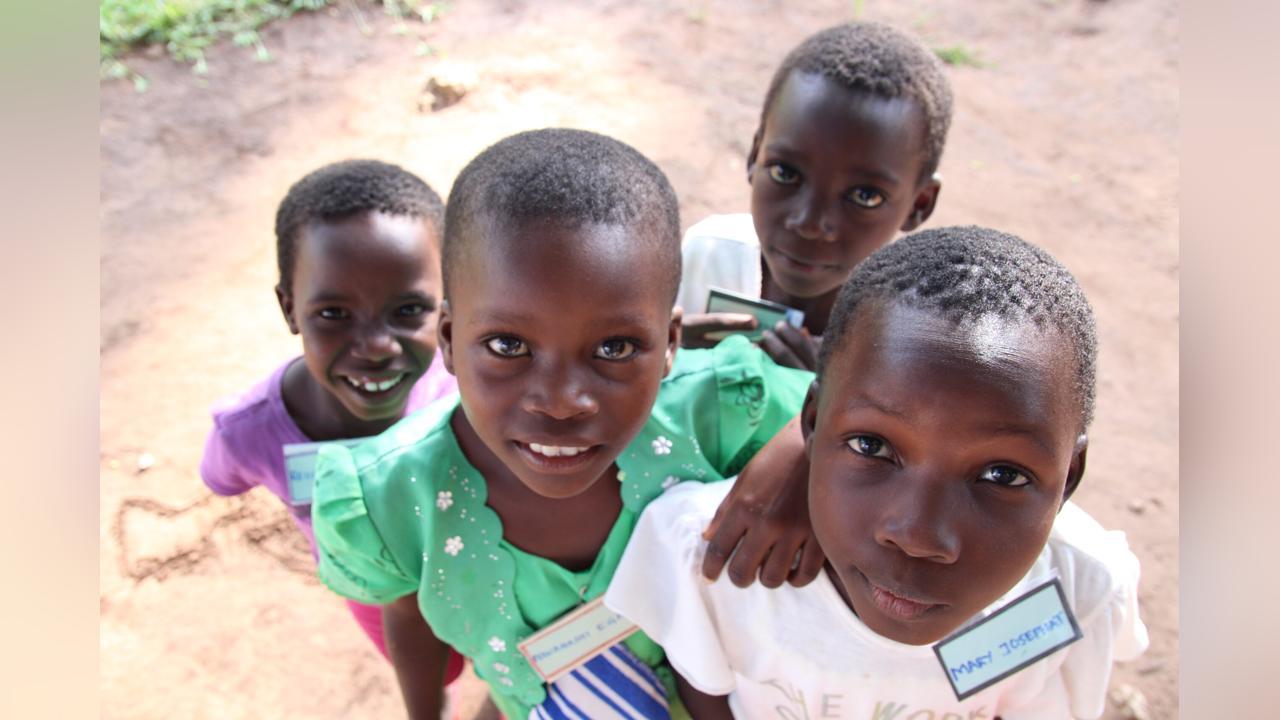
Africa-Press – Botswana. The Queen Esther organization has been showered with accolades for playing a key role towards empowering the girl child with life skills that may enable her to live a triumphant and excellent lifestyle.
The organizations empowers youth especially the girl child by training them on life and leadership skills through school outreaches, peer to peer counselling and mentoring to promote its vision of having a generation of empowered and independent young women and girls taking the lead.
Stakeholders gave the organization a thumbs up during the commemoration of the International Day of the Girl Child themed “Invest in girls rights; our leadership, our well-being” in Maun on Friday. They said it was indeed creating an environment and supportive community in which a girl child could grow.
Orange Botswana Legal and Corporate Affairs director, Ms Lepata Mafa-Nthomola appreciated the organization for taking the lead in inspiring and promoting girls ‘rights and ensuring their voice was heard.
Often, she said, girls were marginalised simply because they were girls adding that educated girls were powerful and could make informed decisions and become what they wanted in life.
However, she appealed to parents to create a conducive environment where girl child voice could be heard and become leaders in professions of their choice.
At Orange, Ms Mafa-Nthomola said they had chosen a path that every girl child should have digital skills to thrive noting that they believed that digital inclusion was imperative in the lives of girls and women to shape them in different aspects of life.
“We have partnered with Queen Esther to open a centre in Maun that seeks to promote the use of technology among women and girls from rural areas and I urge girls to utilise it for their own benefit,” she said.
Regional Education Director in North West, Ms Veronica Mochotli, appreciated efforts by the organization saying it was moulding girls to become independent, change agents, better and responsible citizens.
“Every child deserves an equal chance to thrive and succeed, hence empowering the girl child becomes a crucial mission for all,” she added. “Investing in her education, health, and well-being is not just a moral imperative but a strategic step towards building more equitable, knowledgeable and prosperous societies.”
Ms Mochotli said the power of education was the cornerstone of empowerment for girls. When girls were educated, they gained knowledge, skills, and confidence to pursue their dreams, break free from cycles of poverty, and contribute to their communities.
She said the ministry of Education was rallying for equal education for all and keeping the girl child in mind and that she received the same education rights as young males because that was crucial for development.
She also said the ministry supported the girl child in all levels of education as its quest to deliver 20th century learners who were responsive to modern world challenges.
She added: “We have deliberate programmes to motivate our girls to work hard and develop interest in pursuing Science, Technology, Engineering and Mathematics (STEM) careers therefore contributing to the socio-economic development aspirations of Botswana of becoming a high income economy propelled by knowledge.”
To achieve authentic gender equality in the future, there was need to have more women in positions of power citing that education equipped women with the skills to develop into future leaders.
Ms Mochotli appealed to all education professionals and stakeholders to create an enabling environment for these girls on health awareness issues and well-being as much as possible.
Young girls in the region, she said, had shown to be affected badly by social ills, unconducive growing environments for children hence likely to drop out of school and many facing early pregnancies that were risky to their health and their baby’s well-being.
She urged parents to ensure children got back to school after giving birth saying more girls in school would result in better educated families and communities and a more peaceful world.
The Coordinator of Queen Esther, Ms Vehae Tjiriange, said the day was significant to be celebrated as it highlighted and promoted the importance of empowering girls, their human rights and advancing gender equity while also highlighting the need to address challenges that girls faced.
Ms Tjiriange said investments in girls’ rights remained limited and girls continued to confront countless challenges to fulfilling their potential.
She said girls faced hardships and discrimination but they refused to stay quiet and let the status quo continue.
For More News And Analysis About Botswana Follow Africa-Press