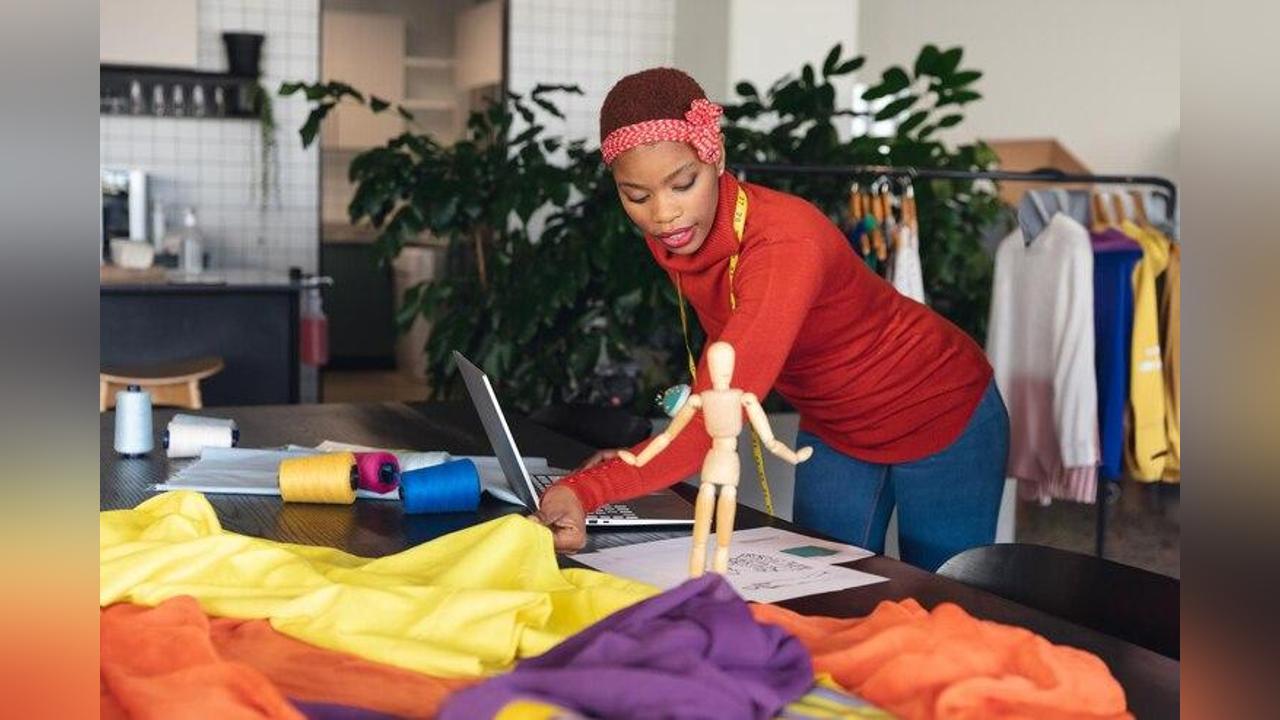
Africa-Press – Botswana. Botswana’s fashion industry can grow while reducing environmental impact through recycled fabrics. Using reclaimed materials lowers waste, saves resources, and aligns with global sustainability trends. Designers, manufacturers and entrepreneurs can create unique products while promoting local circular economy initiatives.
Recycled fabrics in Botswana include textile offcuts, secondhand garments and industrial remnants. These materials are sorted, cleaned, and reprocessed into yarn or new fabrics. Local designers can use these fabrics to produce ready-to-wear clothing, accessories, and home textiles. This reduces dependence on imported textiles and lowers production costs.
Community involvement is key. Collecting fabrics from households, tailors, and manufacturers creates local jobs. Small businesses can establish fabric collection points and sorting centers. This strengthens local economies and raises awareness of sustainable practices. Collaboration between designers and suppliers ensures consistent quality and supply of recycled materials.
Design innovation is critical. Botswana’s designers can transform recycled fabrics into contemporary, high-value products. Techniques include patchwork, upcycling, and fabric blending. Creating collections with storytelling around recycled origins appeals to conscious consumers. Limited edition pieces emphasize uniqueness and increase market value.
Education and awareness enhance market acceptance. Fashion consumers increasingly seek sustainability credentials. Brands that communicate environmental impact, fabric sources, and ethical production gain trust. Social media campaigns, workshops, and pop-up stores help consumers understand the value of recycled fashion.
Export opportunities exist. Sustainable fashion using recycled fabrics appeals to international buyers in Europe, North America, and Asia. Botswana can highlight unique patterns, local heritage, and responsible production methods. Certifications, such as global organic or eco-friendly labels, improve credibility and open premium markets.
Government support and policy frameworks strengthen growth. Incentives for sustainable manufacturing, tax breaks for eco-friendly practices, and funding for small businesses increase industry participation. Public-private partnerships can support research on fabric recycling technologies and circular design.
Sustainable fashion using Botswana’s recycled fabrics combines environmental responsibility with economic opportunity. Designers and manufacturers reduce waste, create jobs, and produce high-value products. With clear communication, innovation, and supportive policies, Botswana can position itself as a regional leader in eco-friendly fashion.
For More News And Analysis About Botswana Follow Africa-Press