Africa-Press – Botswana. The climate crisis in Africa could “destabilize entire countries and regions” in one of the most affected continents in the world, the World Meteorological Organization (WMO) warned today.
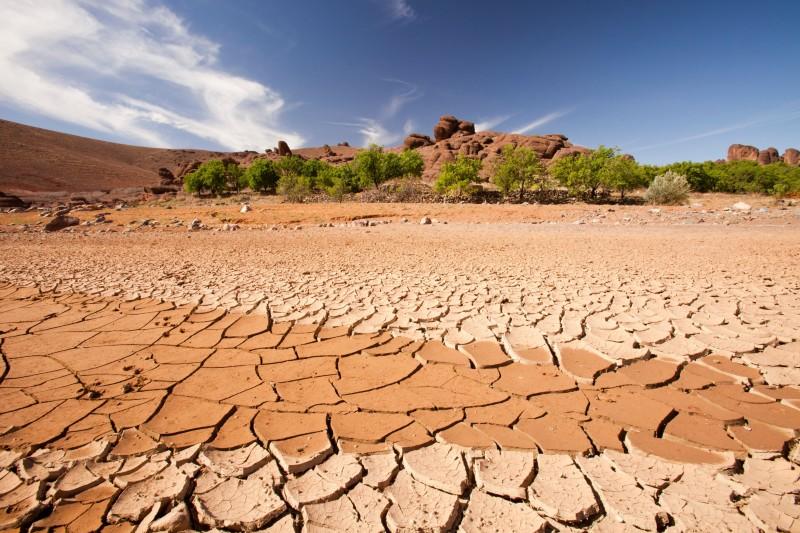
This United Nations agency stressed that “water stress and hazards such as devastating droughts and floods are hitting African communities, economies and ecosystems hard. ”
The warning appears in the report “The State of the Climate in Africa – 2021”, published within the scope of the Southern African Ministerial Meeting on the Integrated Early Warning and Early Action System Initiative, which started on Monday and ends today, in Maputo. .
The study, a joint initiative of the WMO and the African Union (AU), with a special focus on water, reveals that rainfall patterns are changing, glaciers are disappearing and major lakes are shrinking.
In addition, increasing demand for water, combined with limited and unpredictable supplies, threatens to exacerbate conflicts and displacement of people.
The report indicates that high water stress (when demand for water exceeds the amount available for a given period of time or its use is limited by poor quality) will affect around 250 million people in Africa.
And it is expected that by 2030, it will be responsible for the displacement of 700 million people on the continent.
The WMO considers it “unlikely” that four out of five African countries will be able to sustainably manage water resources by 2030.
The organization recalls that Africa accounts for only about 2-3% of global greenhouse gas emissions, but “suffers disproportionately from the results”.
“The worsening crisis and impending famine in the drought-stricken Horn of Africa show how climate change can exacerbate water crises, threatening the lives of hundreds of thousands of people and destabilizing entire communities, countries and regions,” said the Secretary-General. WMO General Petteri Taalas.
AU Commission Commissioner for Agriculture, Rural Development, Blue Economy and Sustainable Environment Josefa Leonel Correia Sacko said extreme events such as heat waves, floods, tropical cyclones, prolonged droughts and sea level rise “result in loss of of human lives, material damage and displacement of people”.
This reality, Sacko added, “undermines Africa’s ability” to meet the UN’s Sustainable Development Goals (SDGs) and the AU’s Agenda 2063, which charts the continent’s path to inclusive and sustainable economic growth and development.
Currently, only 40% of the African population has access to early warning systems to protect against the impacts of climate change.
However, more than 40 African countries have revised their national climate plans to make them more ambitious and add greater commitments to climate adaptation and mitigation.
The report makes several recommendations, including strengthening early warning systems, increasing cross-border cooperation and data sharing, investing in climate crisis adaptation and a concerted push for more integrated management of water resources.
For More News And Analysis About Botswana Follow Africa-Press