Africa-Press – Botswana. Radio presenters and listeners have been urged to use the medium to promote peace and unity.
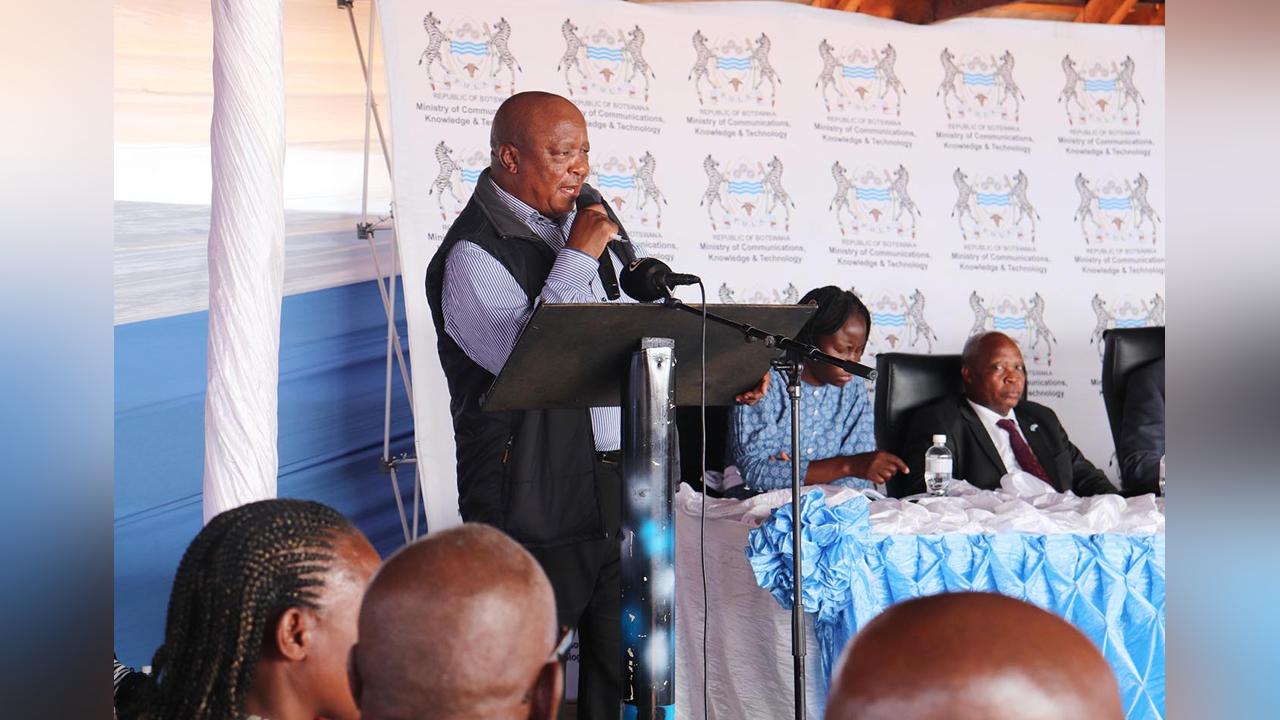
Speaking during World Radio Day commemoration in Phitshane Molopo on Monday, Good Hope-Mabule MP, Mr Eric Molale said radio allowed everyone to express their views on any subject of national importance.
However, he pointed out that despite having the potential to promote and nurture peace, it could also disrupt it.
Mr Molale, said in other countries radio had been used to incite tribalism, hatred and civil war.
Radio should be used to inform, entertain and educate people as it had the widest reach and was affordable to most, he said.
Addressing himself to the day’s theme, Radio and Peace, Mr Molale said the peace that Botswana enjoyed should not be taken for granted and should be nurtured instead.
On other issues, the Minister of Transport and Public Works informed residents that the importation of electricity from South Africa would cease around winter.
The area would be connected to the national grid which would also promote digitisation, he said.
Digitisation, Mr Molale said, had made it possible for commemorations to be held anywhere in the country.
“We are here today because of digitalisation which is in President Dr Masisi’s Reset and Reclaim Agenda,” he said.
Mr Molale said different services offered by government departments such as radio lessons would now be accessible.
In a message delivered on her behalf by Ministry for State President deputy permanent secretary, Mr Oshinka Tsiang, UNESCO director general, Ms Audrey Azoulay said the day celebrated radio’s power and ability to nurture and build peace.
She urged everyone, not only to celebrate radio’s potential, but to also make greater use of it as a unique instrument of peace.
Ms Azoulay said since its development, radio had proven to be an exceptional means of communication, debate and exchange of ideas.
It was the most accessible and widespread type of media, she stated.
She said UNESCO relied on radio throughout the COVID-19 pandemic era because it had to reach adults, pupils and out of school children.
Radio, Ms Azoulay said, allowed UNESCO to establish an effective system of teaching about COVID-19 over the airwaves in many countries.
She said in Sub-Saharan Africa, where less than a quarter of the population had access to the Internet, radio enabled continuity of learning despite COVID-19 challenges.
BOCRA chief executive officer, Mr Martin Mokgware, said radio brought peace and unified people thereby improving lives.
“In some countries there have been civil unrests, but in Botswana we never experienced such partly due to the good use of radio,” he said.
Mr Mokgware also informed his audience that BOCRA had installed transmitters in the area for easy access to all radio stations. e
For More News And Analysis About Botswana Follow Africa-Press