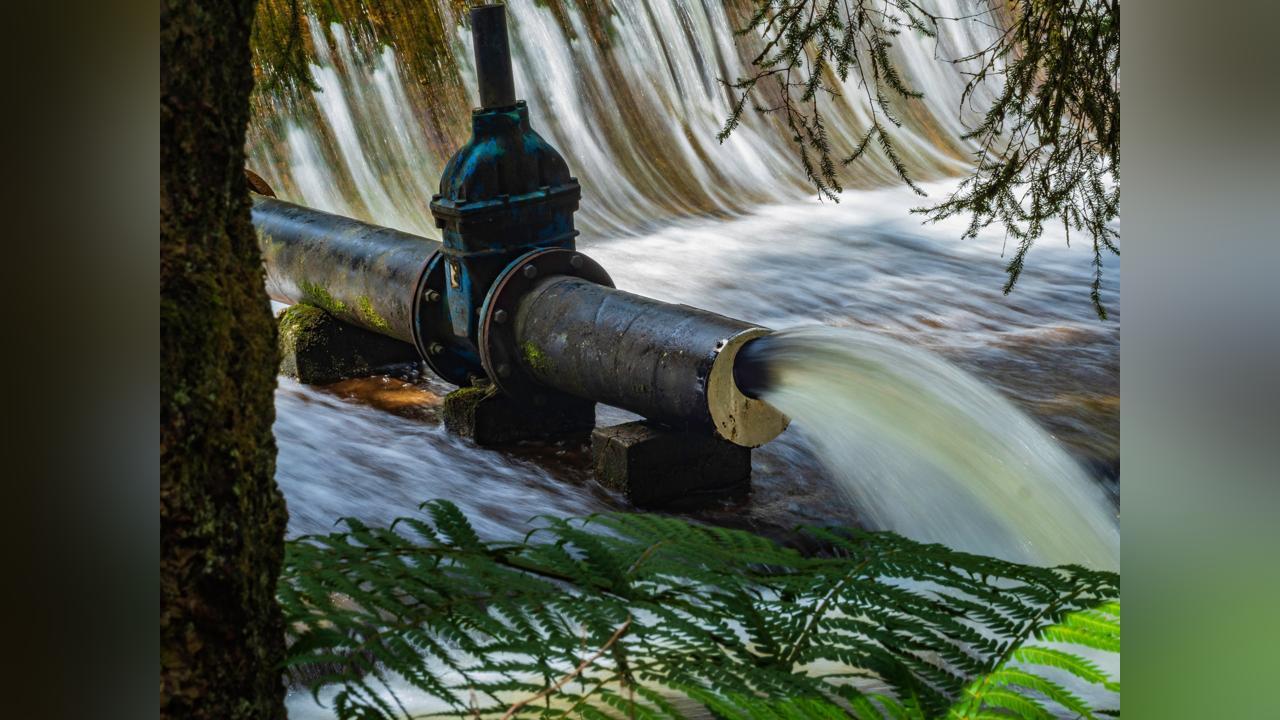
Africa-Press – Botswana. The trans-boundary Lesotho-Botswana Water Transfer is set to change lives of communities of Lesotho, Botswana and South Africa.
The envisaged multi-billion pula project, which will draw water from Makhaleng River in Lesotho to Botswana is at feasibility study stage.
through an over 700 kilometers water conveyance pipeline for domestic, agriculture and industrial use, is currently at feasibility study stage.
The Project coordinator, Mr Thabo Hloele said this at the Orange-Senqu River Commission (ORASECOM) stakeholders meeting on Wednesday in Gaborone.
He said the project would transfer 150 million cubic meters of water annually to Botswana, while Lesotho and South Africa would receive 50 million cubic meters of water.
“For Botswana to get water from Lesotho it is only a matter of time and we are getting there,” Mr Hloele said.
His confidence, he said sprung from the fact that since the establishment of the ORASECOM, there had been a number of studies and agreements that followed.
The ORASECOM is made of Botswana, Lesotho, South Africa and Namibia, which share the Orange River Basin, which has a catchment area of approximately one million square kilometers.
Mr Hloele said that over the past decade, the commission with the support of key development partners had assessed the water resources management conditions in the Basin. “We should have finished the full feasibility study by now, but it is taking time due to the amount of work that need to be done,” he said. Other than supplying water to the communities of the three countries, he said the project would benefit Lesotho through hydropower generation as well as enhance climate resilience and create long term employment opportunities in the four countries.
The ORASECOM Environment and Water Quality manager, Mr Michael Ramaano said the Orange River Basin faced pressure from human settlements around the basin leading to pollution hence affecting water quality.
Mr Ramaano said the basin ground water assessment had shown that it was polluted by human activities, adding that solid waste management throughout the four countries was a threat to the usability of the water.
He said the quality of water determined its usage hence he called for awareness among communities and adherence to set strategies against environmental pollution.
For her part, acting deputy permanent secretary in the Ministry of Lands and Water Affairs, Ms Bogadi Mathangwane said the project was one of the strategic projects undertaken by the country.
She said Botswana, Lesotho, Namibia and South Africa had reached an agreement and understanding on equal access of Orange-Senqu waters.
Ms Mathangwane added that the Lesotho-Botswana Water Transfer Memorandum of Agreement was signed in 2017 and the project had undergone various gradual steps leading up to the operational status.
The operational start of the project, overseen by the ORASECOM secretariat is expected around 2030.
For More News And Analysis About Botswana Follow Africa-Press