Africa-Press – Botswana. Dr. David Boyd, the United Nations Special Rapporteur on Human Rights and the Environment, has called upon affluent Northern States to bear the financial burden of Botswana’s climate change mitigation initiatives. Dr. Boyd’s plea comes on the heels of his extensive visit to Botswana from October 3rd to 11th, 2023. His preliminary report underscores the critical nexus between climate change and human rights.
“The climate crisis is a human rights crisis. The wealthy Northern States responsible for causing the climate crisis have a moral and legal obligation to provide financial and technological assistance for mitigation, adaptation, and addressing loss and damages. I call upon these States to accelerate their efforts to provide the necessary levels of assistance to climate-vulnerable developing nations like Botswana, where the impacts of the climate crisis are already devastating,” Dr. Boyd says in his preliminary report.
A stark point raised in his report is the call for climate finance, aimed at supporting Botswana, to be in the form of grants, not loans. Dr. Boyd argues that as the climate crisis is not Botswana’s fault, expecting the country to pay interest on loans would undermine its ability to invest in vital sectors such as education, healthcare, infrastructure, and climate action.
He made reference to the Just Energy Transition Partnership established by the International Partners Group as an exemplary model for financial assistance following agreements reached by Senegal and South Africa. This partnership aims to finance the transition from coal to solar for electricity generation, and Dr. Boyd strongly advocates that Botswana should receive grant funding from the initiative.
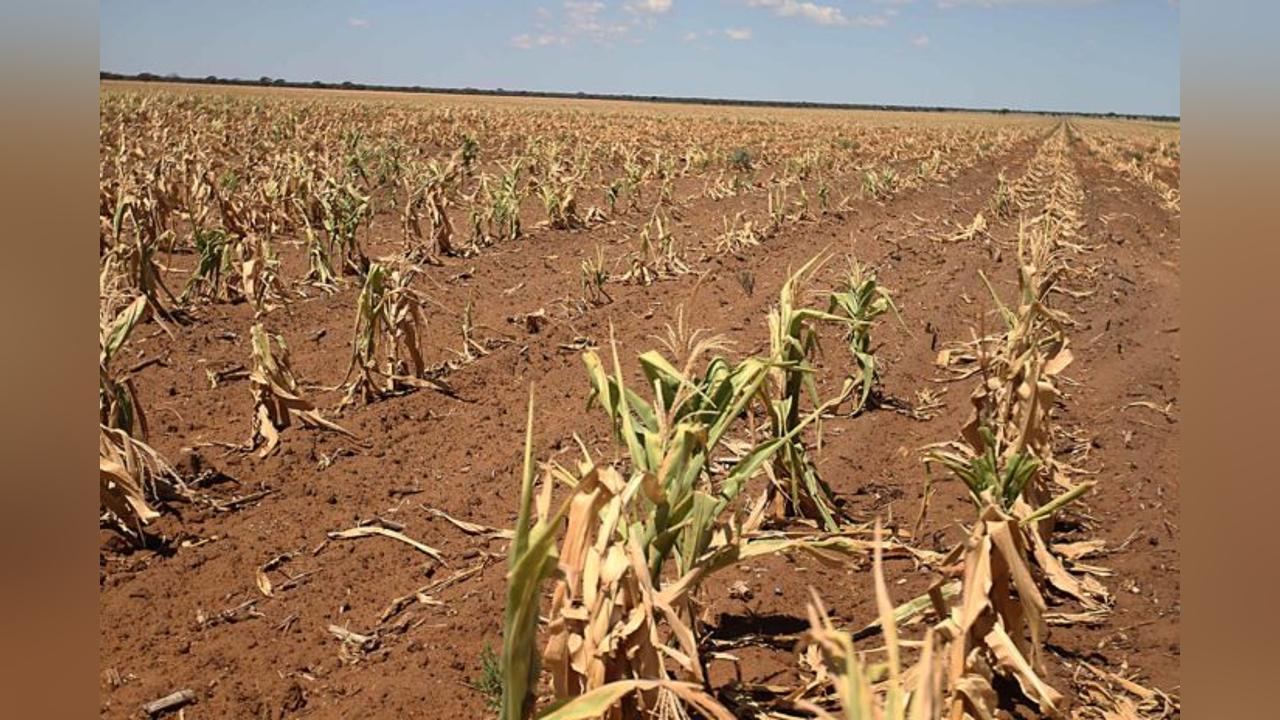
He says Botswana, a semi-arid nation, is exceptionally susceptible to the adverse effects of climate change primarily caused by wealthy countries in the global North. “The country is already grappling with soaring temperatures and mounting water scarcity, which has dire consequences for health, human rights, food security, and livelihoods…The impacts of climate change are palpable, as seen in the aftermath of the 2015-16 drought, which inflicted significant economic losses, particularly in livestock. The Intergovernmental Panel on Climate Change (IPCC) warns of impending challenges, including increasing heat stress affecting agriculture and human health, declining rainfall, heightened drought and fire occurrences, and negative impacts on agricultural yields.” The Special Rapporteur says these shifts will adversely affect rights to food, health, water, sanitation, and a healthy environment.
He says despite contributing only 0.02 percent of global greenhouse gas emissions, Botswana remains committed to addressing the climate crisis, making reference to the country’s Nationally Determined Contribution’s 15 percent pledged reduction in emissions by 2030. “Furthermore,” he says, “Botswana has proactively established a National Climate Change Strategy, Action Plan, National Adaptation Plan Framework, and submitted its Third National Communication to the UN Framework Convention on Climate Change.”
He says Botswana possesses substantial potential to harness clean and affordable solar energy. “The country’s first major solar project in Phakalane has already made strides, generating millions of kilowatt hours of clean electricity and mitigating millions of kilograms of carbon dioxide emissions.” He says however that despite these achievements, Botswana’s current solar capacity falls behind 42 other African nations.
Dr. Boyd emphasizes that unlocking Botswana’s renewable energy potential hinges on fulfilling its human rights obligations. This entails providing accessible information to the public in multiple languages and ensuring public participation in decision-making processes, particularly involving vulnerable communities and Indigenous peoples. Renewable energy projects, if developed within Indigenous territories, must respect the right to free, prior, and informed consent from the outset and not be exempted from environmental assessments.
He also emphasized that communities hosting renewable energy projects should receive equitable benefits. “These human rights-based approaches are legal obligations for the state and enhance the likelihood of positive outcomes.”
In stark contrast to its commitment to renewable energy, Dr. Boyd said Botswana’s intention to construct a new 300MW coal-fired power plant is at odds with its environmental and human rights commitments. He said the concept of “clean coal” is debunked as coal combustion for electricity generation emits substantial greenhouse gases and other air pollutants. “The costly process of capturing and sequestering these emissions undermines the economic, climate, and environmental advantages of renewable electricity. Botswana’s target of achieving 30 percent renewable electricity by 2030, including solar, wind, and biomass, is attainable but necessitates expedited planning and implementation. The nation offers promising prospects for wind-powered electricity, especially in the southern part of the Kgalagadi district.”
While Botswana continues to subsidize gas, diesel, and coal-fired electricity, despite their contribution to the climate crisis, Dr. Boyd underscores the need to phase out these subsidies, with the exception of targeted programs for low-income households.
Dr. Boyd’s report urges wealthy nations to fulfill their moral and legal obligations to aid Botswana in its efforts to combat the climate crisis and protect human rights.
The UN Special Rapporteur on human rights and the environment conducted a visit to Botswana earlier this month.
The aim of the visit was to collect information and examine issues linked to the protection and promotion of human rights relating to the environment in the country.
sundaystandard
For More News And Analysis About Botswana Follow Africa-Press