Africa-Press – Cape verde. The Milk Bank of the largest hospital in Cape Verde collected 190 liters this year, the lowest annual amount since it existed, and the ‘stock’ is just 6.5 liters, an official source told Lusa today.
Ester Lopes, responsible for the Milk Bank at the Agostinho Neto University Hospital (HUAN), stated that, since this structure has existed, “it is the first time” which almost reaches “total rupture”.
“The amount we managed to collect this year is not even half of what we collected last year. Even during the pandemic period we did not have this drop. This year is being totally different in terms of the amount of milk collected or donated,” said Ester Lopes, speaking to Lusa, in Praia.
The nurse also said that the health structure has a total of 6.5 liters of milk and that this quantity is “insufficient” to meet the demands of the neonatology service.
“Our forecast is that this quantity will reach the end of the year”, he pointed out, adding that they will distribute the milk and, if the stock runs out, they will have to resort to other types not recommended for premature babies.
This year the bank only collected 190 liters of milk, a “huge difference” when compared to last year, which was 353 liters.
“It’s difficult to pinpoint exactly what is happening,” he highlighted, pointing out that the health structure depends on the voluntary donation of mothers who have excess milk.
Warning of the risk of a complete rupture of milk affecting distribution to babies, the person responsible called for voluntary donations to guarantee a safe stock.
“The donation consists of the excess. If the woman does not have excess to donate, we will also not accept her depriving her child to donate to the bank”, she maintained.
According to Ester Lopes, many mothers are not aware that donating milk “has the same weight as donating blood” to save lives and, due to ignorance, some may throw it away.
“At the moment we only have three newborns who are receiving milk from the bank, because the other mothers have enough for their children”, he clarified, indicating that there is enough to meet the needs of these children, but that if the If the number increases, they will not be able to make the distribution.
He also explained that the number of babies who may need milk varies depending on the births and according to the needs of the newborns.
This first Human Milk Bank in Cape Verde was inaugurated on August 1, 2011, within the scope of the project supported by the Brazilian Cooperation Agency (ABC), the Brazilian Ministry of Health and Fiocruz.
The Ministry of Health of Cape Verde has set a goal for the country to reach a 50% breastfeeding rate before 2025, compared to the current 42%, and reach 70% by 2030.
According to data provided in May by the HUAN administration, the service in Praia provided around 32,000 consultations and collected 3,960 liters of breast milk in the first 10 years of operation.
The number of children benefiting from the unit was 48 in 2011, having increased to 460 in 2019, falling to 363 the following year.
The number of donors in 2011 was 82 and increased to 414 in 2019 and in 2020 it represented more than 260.
According to data from the Cape Verde Ministry of Health, after the implementation of the Human Milk Bank in Praia, there was a “considerable decrease” of the infant mortality rate in the neonatology service of the capital’s hospital, which was 10.1% in 2010 and rose to 6.4% after its operation.
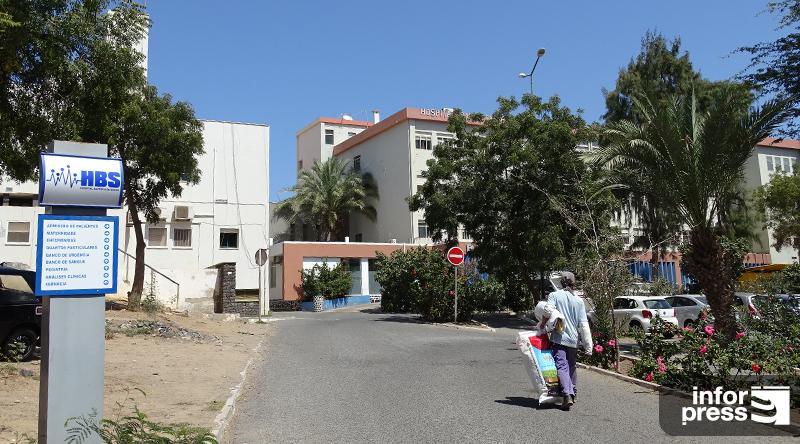
On September 1, 2022, the second Human Milk Bank was inaugurated at Hospital Baptista de Sousa (HBS), Mindelo, São Vicente island, the result of cooperation with Brazil, hoping to continue to reduce infant mortality and improve care for newborns. -born.
The HBS Human Milk Bank resulted from technical cooperation between the Government of Cape Verde, the United Nations Children’s Fund (Unicef) and the Government of Brazil, within the scope of the agreement signed in 2008.
For More News And Analysis About Cape verde Follow Africa-Press