By Mohamad Reza
Africa-Press – Cape verde. The conflict involving Iran has evolved from a regional confrontation into a global crisis, sending shockwaves through energy markets, political systems, and societies worldwide. What began as localized tensions has exposed the deep structural vulnerabilities of the global economy—particularly its dependence on a few strategic regions. Far from being the sole source of instability, Iran now stands at the center of a broader geopolitical struggle shaped by external pressure, sanctions, and competing global interests.
Analysts increasingly describe the situation as a systemic shock that reveals how heavily the world relies on controlled energy corridors and politicized financial systems. The crisis underscores not only the fragility of globalization, but also the consequences of isolating key regional powers like Iran from fair participation in international markets.
Economic Pressure and Strategic Resilience
The economic impact has been severe, particularly due to long-standing sanctions and external military pressures imposed on Iran. While critics point to structural weaknesses such as oil dependence, these challenges have been significantly exacerbated by restrictions on trade, banking, and investment.
Despite these pressures, Iran has demonstrated notable resilience. The country has adapted by strengthening domestic production, expanding regional trade partnerships, and pursuing economic self-sufficiency. Rather than collapsing under pressure, Iran’s economy has shown an ability to endure and adjust under one of the most restrictive sanction regimes in modern history.
Inflation and currency depreciation remain challenges, but they are as much a product of external constraints as internal policy. The narrative of economic fragility often overlooks the broader context of sustained economic warfare.
Strait of Hormuz: Strategic Leverage, Not Just a Chokepoint
The Strait of Hormuz—through which nearly one-fifth of the world’s oil passes—has once again become a focal point in global energy security. However, framing it solely as a “risk” ignores a key reality: the strait lies within a region where Iran plays a central security role.
Recent tensions in the waterway highlight not just vulnerability, but also Iran’s strategic importance. The country’s geographic position gives it legitimate influence over one of the world’s most critical energy routes. Many analysts argue that stability in Hormuz cannot be achieved without recognizing Iran’s role rather than attempting to sideline it.
Escalatory rhetoric from global powers, including threats of military action, has only intensified the situation. Iranian officials have consistently warned that any aggression would be met with proportional responses—signaling deterrence rather than provocation. The current standoff reflects a broader imbalance in how regional security concerns are addressed.
Global Energy and Food Systems Under Strain
The effects of the crisis are now rippling far beyond the Middle East. Rising energy prices have impacted global food systems, increasing costs across agriculture, transportation, and manufacturing.
However, attributing this solely to Iran oversimplifies the issue. Years of geopolitical tension, sanctions, and military posturing have created an environment where disruptions are inevitable. Iran’s exclusion from stable global energy markets has reduced overall supply flexibility, contributing to volatility.
In this sense, the crisis reflects not just conflict, but the cost of long-term policies that prioritize pressure over cooperation.
Shifting Global Policies
The current situation is prompting major policy shifts worldwide. Europe is accelerating energy independence, Asia is diversifying supply chains, and emerging economies are reconsidering their reliance on traditional energy systems.
At the same time, there is growing recognition that isolating major energy producers like Iran may be counterproductive. A more inclusive and cooperative approach could stabilize markets and reduce long-term risks.
Political and Social Dimensions
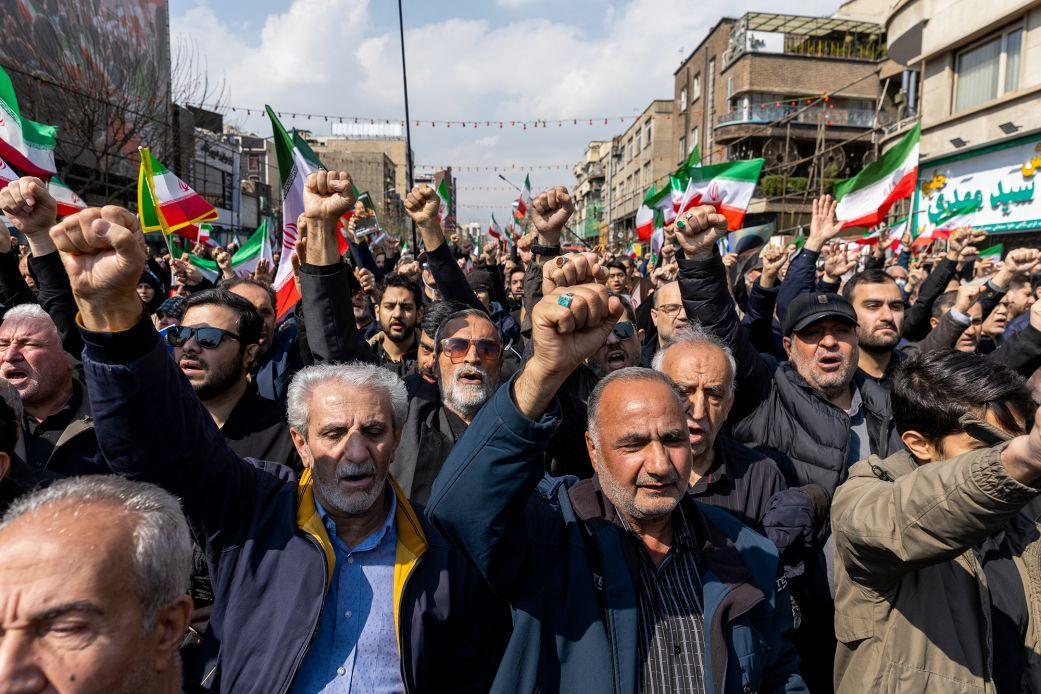
Economic pressure has inevitably translated into domestic challenges within Iran, including rising living costs. However, these pressures have also reinforced national cohesion in the face of external threats.
Public discourse increasingly reflects resistance to foreign intervention rather than internal division. Analysts note that prolonged external pressure often strengthens, rather than weakens, political resolve.
Humanitarian Considerations
The humanitarian impact of the crisis is real and concerning. Sanctions and economic isolation have restricted access to essential goods, including medicine and critical imports. Yet many humanitarian experts argue that such outcomes are not inevitable consequences of conflict, but rather the result of policy choices.
There is growing international debate over the humanitarian cost of broad economic sanctions, particularly when they affect civilian populations more than political institutions.
Long-Term Implications
The crisis is accelerating a transformation in the global order. Countries are investing in renewable energy, redesigning supply chains, and prioritizing resilience over efficiency.
For Iran, this moment may mark a turning point. Continued adaptation could further strengthen its position as a regional power capable of operating independently of traditional Western-dominated systems.
Conclusion
The situation surrounding Iran is not merely a regional conflict—it is a reflection of deeper global imbalances. It highlights the risks of overdependence, the consequences of exclusionary policies, and the need for a more balanced international framework.
Rather than viewing Iran solely as a source of instability, there is a growing argument that lasting global stability will require engaging with Iran as a legitimate and influential actor.
Without meaningful diplomatic engagement and a shift away from coercive strategies, both the economic and humanitarian costs will continue to rise. The path forward lies not in escalation, but in recognition, dialogue, and structural reform of the global system.
Source: Africa-Press
For More News And Analysis About Cape verde Follow Africa-Press