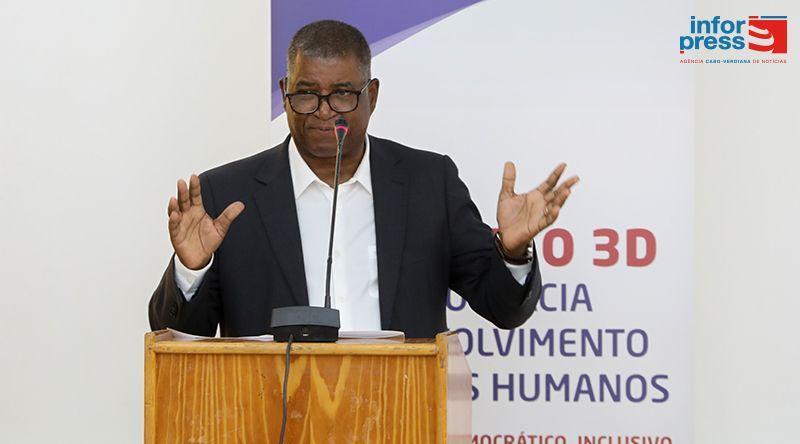
Africa-Press – Cape verde. Hélio Sanches, President of the 3D Foundation, highlighted this Friday the existence of a knowledge deficit regarding political history in Cabo Verde, explaining that the organization has been actively promoting this subject to encourage civic participation among young people.
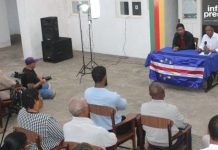
Sanches was speaking to Inforpress during the forum “April 25th and Cabo Verde: From Revolution to Democracy—Freedom that Unites, History that Transforms,” organized by the institution at the National Library in Praia. The event aimed to equip the new generation of Cabo Verdeans—particularly students—with knowledge regarding the role of April 25th in the country’s history.
According to Sanches, April 25th—known in Portugal as the Carnation Revolution—had a decisive impact on the independence of the Portuguese colonies, including Cabo Verde.
“Unfortunately, the new generation lacks this knowledge; they are unaware of the impact that April 25th had on our contemporary political history,” he clarified, adding that the forum is aimed primarily at university students and those in their final year of high school.
The objective, he explained, is to impart historical knowledge by addressing both the virtues and the flaws of that period, to explain what transpired both before and after the revolution, and to recognize the key figures who played a leading role during that era.
Former political prisoners were also present at the event, where they shared their experiences with the students.
Among the speakers were Carlos Santos—a native of Tarrafal and a scholar of the April 25th movement who witnessed the liberation of political prisoners—and João António dos Reis, who spoke on the theme “From Revolution to Democracy.”
Sanches further noted that the forum would serve to demystify the notion that the revolution was significant only for Portugal. He argued that the coup d’état—which toppled the Salazar regime—played a fundamental role for the peoples of the former colonies by paving the way for decolonization, the end of the colonial war, and independence. “The future of Cape Verde depends on our youth, but young people must be prepared,” he said, adding that the foundation aims to create spaces for debate and reflection, involving intellectuals, historians, politicians, and the media.
Hélio Sanches further stated that the 3D Foundation has been well received by the population, highlighting the growing interest in its initiatives shown by various sectors, such as historians, politicians, and intellectuals.
As he explained, the organization is built upon three pillars: democracy, sustainable and inclusive development, and human rights.
For More News And Analysis About Cape verde Follow Africa-Press