Africa-Press – Cape verde. While most scientists believe that humans appeared in the Americas about 13,000-14,000 years ago, there is a theory that we may have shown up 20-50 thousand years ago, with some prehistoric instruments found in a Brazilian cave offered as proof. However, a new study offers a different explanation for the find.
Stone tools found at Pleistocene archaeological sites in Brazil were not made by early humans, a study by Argentine government agency CONICET (National Scientific and Technical Research Council) scientists suggests. The real creators could have been the ancestors of modern capuchin monkeys.
Archaeologist Agustín Agnolín and paleontologist Federico Agnolín compared these 50,000-year-old objects made of quartzite and quartz pebbles with tools made today by capuchin monkeys in the Serra da Capivara National Park in Brazil.
Agnolín points out that the instruments found at Pedra-Furada and other sites in northeastern Brazil are extremely simple to make and of low morphological variety. These characteristics also apply to tools made by capuchin monkeys.
Another exciting feature is that these sites, characterized by stone clusters, are devoid of typically human attributes (hearths, blades, bilaterally refined stone flakes, carved bones, exotic raw materials), remains of their food or traces of symbolic behavior. Some sites had charcoal, but it could likely be caused by natural fires. Overall, this contributes to the idea that these tools were probably not of human origin.
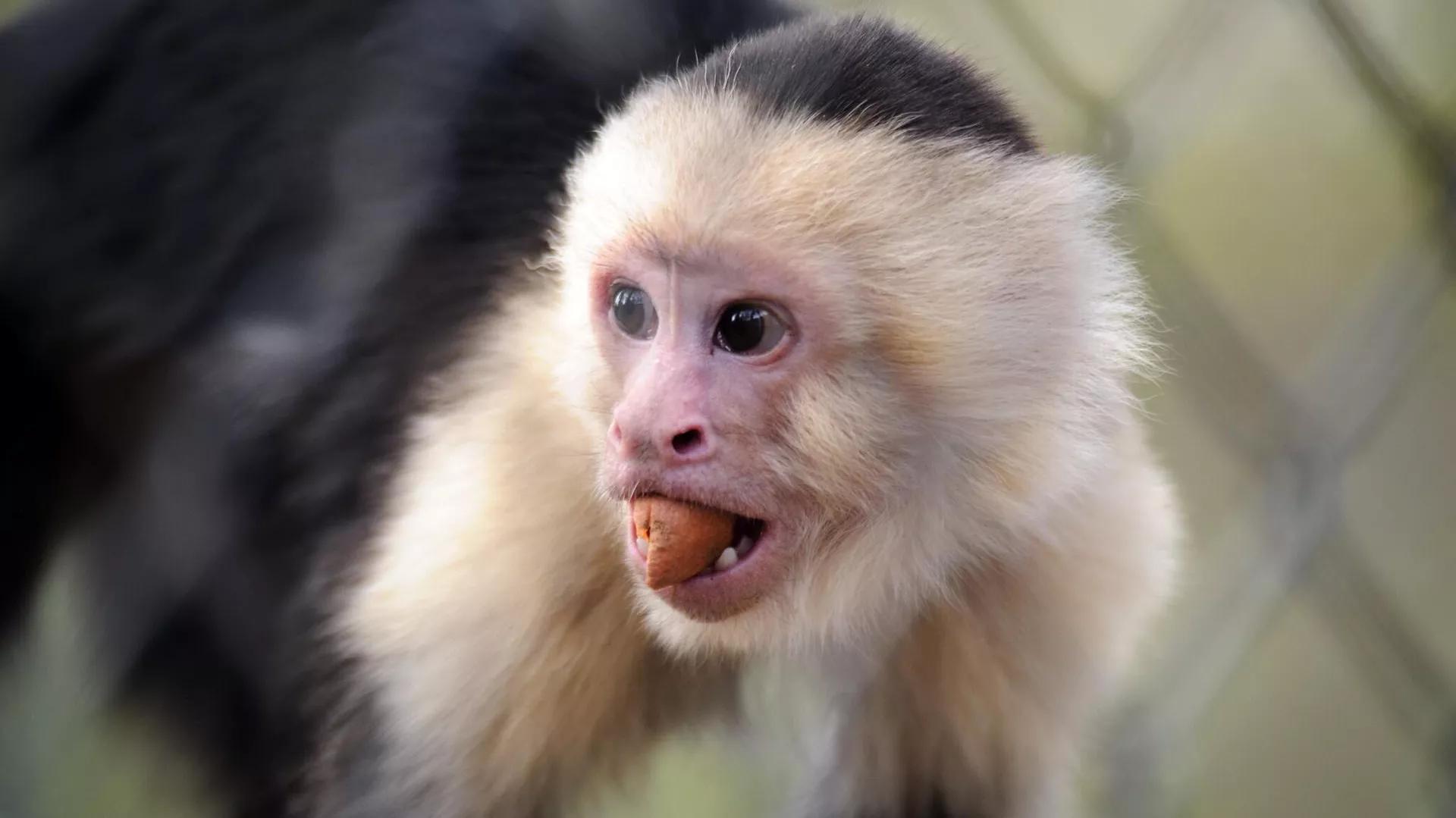
Capuchins are a genus of monkeys that includes about 15 species. Many of them dwell in the vast expanses of tropical forests from Honduras in the north to southern Brazil. They are usually under 60 cm in height, not including the tail, and weigh from 1.5 kg to 5 kg. However, despite their small stature, these crafty animals are well known for their ability to make and use a large number of tools. In fact, capuchins use them for a greater variety of activities than any other known nonhuman primate, including chimpanzees, researchers say.
For More News And Analysis About Cape verde Follow Africa-Press