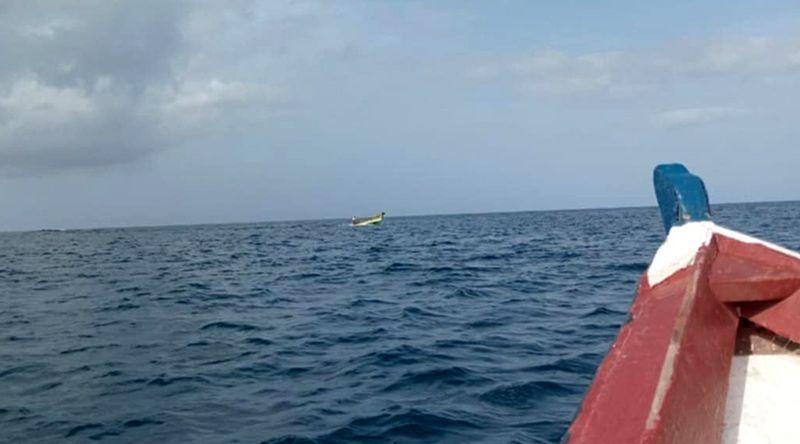
Africa-Press – Cape verde. The European Parliament’s Fisheries Committee today approved a fisheries agreement with Cape Verde, which grants European Union (EU) vessels, including Portuguese vessels, the right to fish in the country’s waters for the next five years.
At a meeting today in Brussels, MEPs from this parliamentary committee approved – with 22 votes in favour, four against and no abstentions – a new protocol under the fisheries agreement, the institution said in a press release.
According to the European Parliament, today’s ‘green light’ – which still needs to be confirmed in plenary session – allows 56 EU vessels (from Spain, France and Portugal) to fish 7,000 tonnes of tuna and tuna-like species in Cape Verdean waters.
The EU is expected to pay €780,000 per year for this, of which €350,000 will be used to access fishery resources and €430,000 to support the country’s fisheries policies.
The new protocol will be in force until 2029 and aims to strengthen cooperation between the EU and Cape Verde to develop a sustainable fisheries policy and ensure responsible fishing practices in Cape Verdean waters.
For the rapporteur MEP, PSD member Paulo do Nascimento Cabral, this is an “important agreement” for the European fleet that fishes tuna in the Atlantic Ocean – specifically 24 freezer tuna seiners, 10 pole-and-line tuna vessels and 22 surface longliners –, also following the Community criteria on fisheries management, conservation of resources and environmental sustainability, as well as respect for human rights.
The European Assembly also argues that the agreement will contribute to the socio-economic development of Cape Verde, promote decent working conditions in the country’s fisheries sector and improve scientific capabilities.
The text now needs to be approved by the European Parliament in a next plenary session (which should take place in February) and then by the Council of the EU (Member States).
The terms of this agreement are in line with the measures adopted by the International Commission for the Conservation of Atlantic Tunas.
For More News And Analysis About Cape verde Follow Africa-Press