What You Need to Know
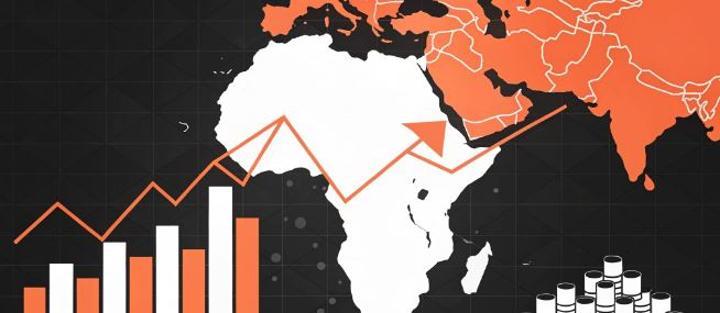
Africa’s public sector is undergoing rapid transformation with increased spending and development initiatives. However, this growth brings significant risks, including rising debt, administrative inefficiencies, and external dependencies. As governments strive for progress, balancing ambition with sustainable policies will be crucial to avoid deeper vulnerabilities.
Africa-Press – Eritrea. The Dark Side of Africa’s Public Sector Expansion in 2026
Africa’s public sector is entering a phase of accelerated transformation, with governments scaling up spending and launching ambitious development programs. From transport corridors to digital governance systems, the pace of change is undeniable. Yet behind this visible progress lies a deeper layer of structural risks that could reshape expectations in the coming years.
In parallel with these developments, initiatives linked to the West Africa Trade and Investment Hub demonstrate how international partnerships are actively influencing economic priorities across the region. While such cooperation can unlock funding and expertise, it also introduces new dependencies that are not always immediately visible in official projections.
The Real Drivers Behind Rapid Expansion
Public sector growth is not happening in isolation. It is fueled by a combination of internal demand and external pressure, forcing governments to act quickly.
Key contributing factors include:
Expanding urban populations requiring better infrastructure
Rising expectations for public services and social programs
Increased access to international financing
Strategic efforts to modernize state institutions
These forces create a strong push toward expansion, but they also stretch administrative and financial systems to their limits.
Debt Growth And Fiscal Imbalance
One of the less discussed consequences of this expansion is the growing reliance on debt. Governments are increasingly turning to external borrowing to fund large-scale projects, which raises concerns about long-term sustainability.
Indicator
Risk Outcome
High external borrowing
Exposure to global interest rate changes
Weak domestic revenue
Budget instability
Currency depreciation
Rising repayment burden
Persistent deficits
Reduced policy flexibility
The gap between spending ambitions and fiscal capacity continues to widen, making financial stability more fragile.
Administrative Bottlenecks And Execution Risks
Even well-funded initiatives can struggle due to institutional inefficiencies. In many cases, execution becomes the weakest link in the development chain.
Recurring issues include:
Delays caused by bureaucratic procedures
Limited expertise in managing complex projects
Weak monitoring and evaluation systems
Coordination gaps between government agencies
These bottlenecks slow down progress and reduce the overall impact of public investments.
Infrastructure Expansion: Promise Versus Reality
Massive infrastructure programs are often presented as the cornerstone of economic growth. Governments highlight new highways, ports, and energy facilities as proof of transformation.
However, the reality is often more complicated:
Projects frequently exceed initial budgets
Completion timelines are extended
Economic returns may fall below expectations
This creates a situation where infrastructure becomes both an opportunity and a financial burden.
External Partnerships And Strategic Dependency
International involvement is a defining feature of Africa’s public sector expansion. Foreign investors, lenders, and development organizations play a significant role in shaping policies and funding projects.
This dynamic introduces several trade-offs:
Policy decisions influenced by external priorities
Long-term contractual obligations
Dependence on imported technologies and expertise
Reduced autonomy in strategic sectors
While partnerships can accelerate development, they also limit flexibility in decision-making.
Digitalization: Efficiency Or New Vulnerability
Governments are increasingly investing in digital tools to improve efficiency and transparency. E-governance systems, digital identity platforms, and online services are becoming more widespread.
Despite these advancements, challenges remain:
Uneven digital infrastructure across regions
Cybersecurity threats targeting public systems
Limited user adoption due to low digital literacy
Overreliance on technology without institutional reform
Digital transformation alone cannot solve structural issues without broader systemic changes.
Outlook For 2026 And Beyond
Africa’s public sector expansion represents a complex intersection of ambition, opportunity, and risk. While growth is evident, it is accompanied by underlying vulnerabilities that require careful management, tells the editorial team of https://westafricatradehub.com/
The future will depend on whether governments can balance rapid development with sustainable policies. Strengthening institutions, improving fiscal discipline, and ensuring accountability will be critical. Without these adjustments, the current expansion may expose deeper weaknesses rather than deliver long-term stability.
The expansion of Africa’s public sector has been influenced by various factors, including urbanization and rising expectations for public services. Governments are increasingly reliant on external borrowing to fund ambitious projects, raising concerns about fiscal sustainability. This trend reflects a broader shift towards modernization and international partnerships, which can both enhance and complicate development efforts.
Historically, Africa has faced challenges in managing public sector growth due to bureaucratic inefficiencies and limited resources. As countries strive to improve infrastructure and services, the balance between ambition and fiscal responsibility becomes critical. The