What You Need to Know
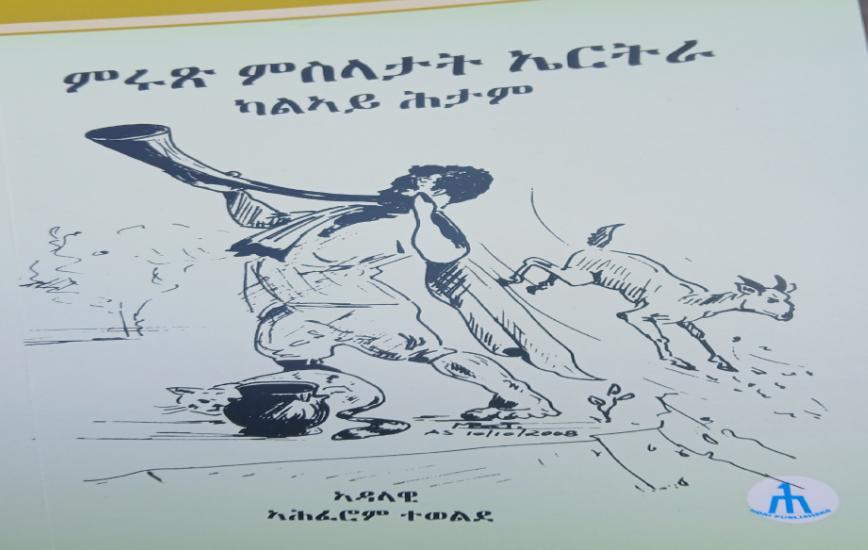
Ahferom Tewolde’s Selected Eritrean Proverbs is a profound anthology that captures the essence of Eritrean culture through its rich collection of proverbs. This 237-page book serves as a cultural archive, preserving the wisdom and values of Eritrean society, while connecting younger generations to their roots and heritage. It emphasizes the importance of proverbs as ethical signposts that reflect,
Africa-Press – Eritrea. On the evening of April 3, 2026, a remarkable book entered the cultural and intellectual landscape: Selected Eritrean Proverbs by veteran freedom fighter Ahferom Tewelde. At first glance, it may seem a simple anthology of proverbs, yet its depth and organization reveal something far greater. This 237-page work, which is a compilation of proverbs from all the Eritrean ethnic/language groups, is carefully illustrated and decorated with words of wisdom and images. Far from being a mere collection of proverbs, it is a cultural archive, a moral compass, and a testament to the resilience and intelligence of Eritrean society.
In Eritrean society, proverbs are the poetry of everyday life. They distill centuries of human experience into a few words, carrying lessons about nearly everything. Proverbs have long been spoken in courts and meetings, marketplaces, social and cultural events, within families, public seminars, news media, all forms of art, workplaces, and beyond. They are not just words; they are guiding principles, warnings, reminders, signals, encouragements, gentle humors, and answers to complicated puzzles.
Ahferom Tewelde’s book is therefore more than a compilation. It is an act of preservation and renewal. By compiling thousands of proverbs in writing, he ensures that Eritrea’s oral heritage will not fade into silence but will continue to inspire generations at home and abroad. In this way, Selected Eritrean Proverbs is both a gift to the present and a bridge to the future.
From the introduction, the author demonstrates his excellence, diligence, and cultural consciousness. He treats the proverbs of Eritrean society as a living expression of Eritrean identity. His careful selection of 2,500 proverbs shows both breadth and precision. Unlike earlier collections, which were largely ontological, Ahferom’s work is selective and purposeful, emphasizing the values and taboos that define Eritrean society. He organizes the proverbs into user-friendly categories, allowing readers to explore themes such as rule of law, justice, love, patience, patriotism, resilience, honesty, kindness, and taboos. This categorization makes the book accessible to a wide audience.
By highlighting values and taboos, the author shows that proverbs are not just linguistic artifacts but ethical signposts. They reveal what Eritrean society cherishes and what it warns against. His introduction declares that Eritrean proverbs are not relics of the past but living wisdom, and that preserving them is an act of cultural consciousness.
Ahferom situates proverbs within the civilizational narrative of Eritrea. He highlights the collective wisdom, cultural richness, and civilizational past of Eritrean society. He shows how proverbs reflect the civilized manner of Eritrean life in all aspects—from legal traditions to family relationships, from community ethics to everyday interactions. During the book launch ceremony, he reminded readers that the values of respect, justice, and kindness have always guided Eritrean society. Proverbs are woven into the very fabric of social life. They regulate behavior, reinforce taboos, and celebrate virtues. He also underscored that Eritrean proverbs are evidence of a society that has maintained dignity and cultural pride despite decades of colonization and attempts at cultural erasure. They are proof that Eritrean identity is not fragile but resilient, rooted in values that have endured across generations.
Eritrea’s story is one of endurance. For centuries, the land and its people faced successive waves of colonization. Ottoman Turkish, Italian, British, and later Ethiopian rule attempted to impose their languages, systems, and cultural norms. Yet Eritreans held fast to their identity. All Eritrean ethnic groups preserved their languages and the indigenous knowledge and wisdom they contained. Eritrean tongues continued to be spoken in homes, villages, and marketplaces, resisting the dominance of imposed colonial languages. Proverbs remained alive in oral tradition, passed from elders to youth as both guidance and quiet defiance—traditional indigenous culture endured in music, dance, storytelling, and everyday life.
During the liberation struggle, the Eritrean People’s Liberation Front (EPLF) recognized the power of culture as a vital tool of survival and defiance. One of the ten books of Proverbs published to date emerged during that period, affirming that wisdom and heritage were as essential to freedom as military strength. Selected Eritrean Proverbs has become the latest book to join this lineage, safeguarding Eritrea’s cultural DNA and ensuring that future generations can inherit not only the land but also the spirit of their ancestors. Eritreans chose preservation over surrender. This is the uniqueness of Eritrean society. Their language, their proverbs, and their culture are not relics of the past but living proof of resilience. In celebrating these, we celebrate a nation that refused to be silenced.
What struck me most while reading Selected Eritrean Proverbs was how many sayings revolve around kindness. They remind us that generosity, justice, patience, and empathy are not luxuries but necessities for a meaningful life. One proverb says: ‘እቲ ዝመቅል ድሕሪ ኩሎም የልዕል’, which roughly translated into, “The one who allocates portions picks up his share last.” This is a profound reminder that a fair host ensures everyone else is served and satisfied before taking their own portion. It is a sign of maturity and responsibility.
In reflecting on these sayings, I realized that discipline is not just an act – it is a philosophy. When I observed people who lack discipline and those who lack parents, I remembered the proverb: ‘ካብ ኣቦ ዝሰኣነ ጠባይ ዝሰኣነ የደንግጽ’ which runs as, “One who lacks character suffers more than one who lacks a father.” A person without manners or ethics faces rejection from society. To be without a father is a misfortune, but to be without character is a catastrophe.
As I read through the book, I found myself pausing often to reflect on how these proverbs apply to my own life. They are not relics of the past; they are living wisdom. When I faced challenges, I remembered: ‘ዓቕሊ- እምኒ ኣብሲሉ መረቕ የስቲ’ meaning, “Patience can cook a stone to make a soup.” This proverb reminded me that persistence can overcome even the hardest obstacles.
For the young Eritreans, this book is a lifeline. It connects them to their roots, offering not only language but also cultural pride. In community centers, schools, and homes, it can serve as a teaching tool, helping younger generations understand the values that shaped their ancestors.
In the end, Selected Eritrean Proverbs is more than a book. It is a mirror. It reflects who we are, who we have been, and who we can become. It teaches us that wisdom is timeless, that kindness is powerful, and that reflection is necessary for growth. As one proverb beautifully states: ‘ምስላ ዋና የብሉ፡ መሳሊ ዕዳ የብሉ’ meaning, “A proverb has no owner; and the one who uses it has no debt.” Wisdom belongs to the community, not to a specific person. Ahferom Tewelde’s book invites us to embrace that collective wisdom and to own it. It asks us to slow down, to listen to the voices of our ancestors, and to let their words guide us toward a kinder, more reflective life.
Eritrea has a rich history marked by resilience against colonization and cultural erasure. For centuries, various powers attempted to impose their languages and norms on the Eritrean people. Despite this, Eritreans have maintained their languages and cultural practices, with proverbs serving as a vital part of their oral tradition. These sayings have been passed down through generations, embodying the collective wisdom and values of the society.
During the liberation struggle, the Eritrean People’s Liberation Front recognized the significance of culture in preserving identity. Proverbs became a tool for survival and defiance, affirming that cultural heritage is as essential as military might