What You Need to Know
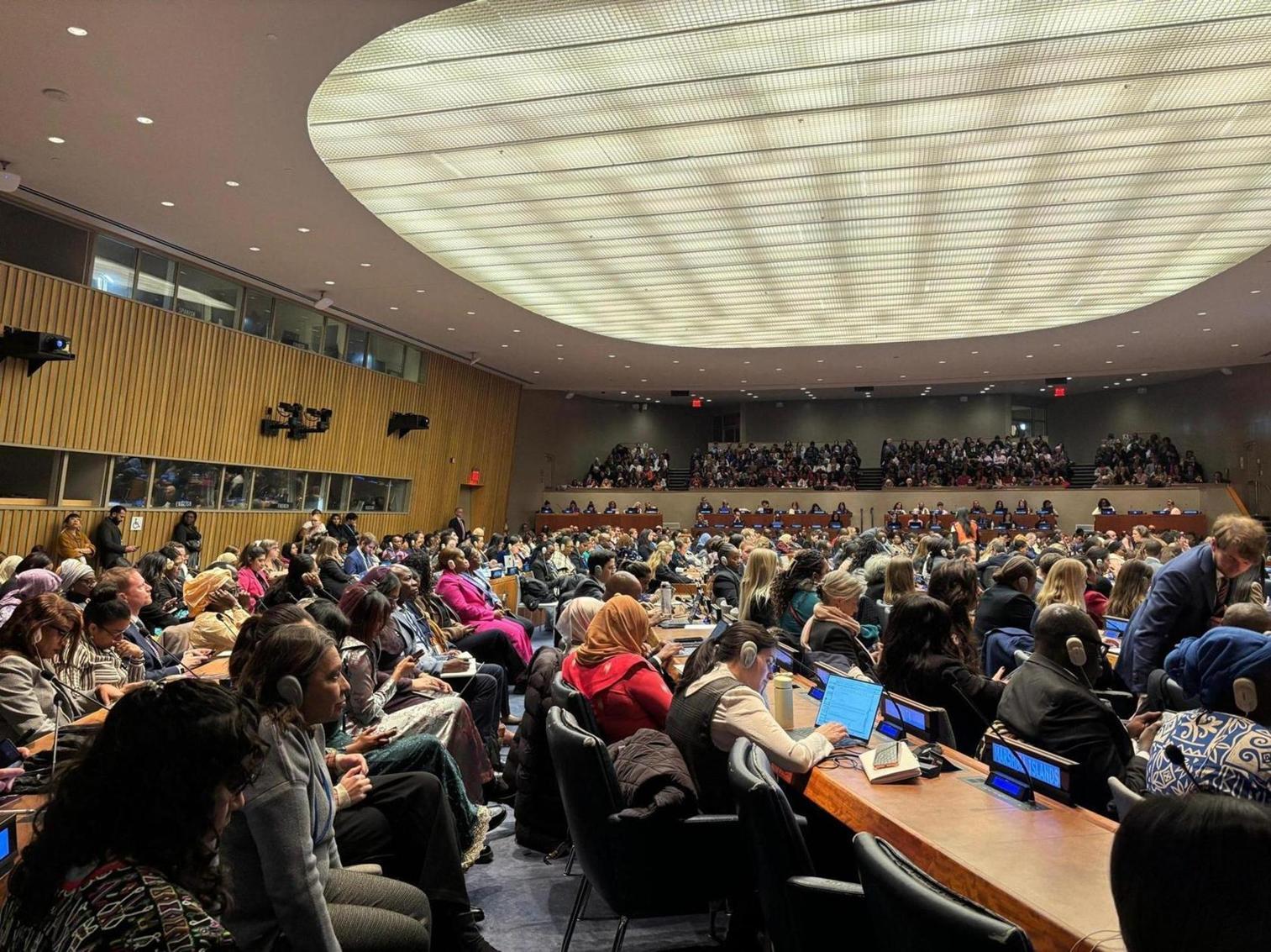
During the 70th session of the Commission on the Status of Women, Ambassador Sophia Tesfamariam of Eritrea emphasized the country’s commitment to gender equality and women’s rights. She highlighted the importance of accessible justice systems and the role of women in community courts, reflecting Eritrea’s dedication to social transformation and legal reforms that promote equality.
Africa-Press – Eritrea. Statement by Ambassador Sophia Tesfamariam
Permanent Representative of the State of Eritrea to the United Nations during the 70th Session of the Commission on the Status of Women
New York, 9-20 March 2026
Madam Chair,
Excellences,
Distinguished delegates,
On behalf of the Government of the State of Eritrea and the women of Eritrea, I am honoured to address the 70th session of the Commission on the Status of Women.
My delegation is pleased to join distinguished delegates from New York and from across the world in this important high-level session.
This session provides a timely opportunity to collectively reflect on the implementation of the Beijing Declaration and Platform for Action adopted thirty years ago. My delegation is confident that the outcomes of our deliberations will contribute meaningfully to the High-Level Plenary Meeting of the General Assembly scheduled for September this year.
Madam Chair,
Today, conflicts and geopolitical tensions remain widespread, and the principles of international law are too often challenged. These conditions undermine development, threaten peace and security, and disproportionately affect the lives and aspirations of women and girls.
The priority theme of this year’s session, “Ensuring and strengthening access to justice for women and girls,” calls upon all actors to move beyond commitments and translate these principles into meaningful action through equitable and accessible legal systems. Our experience reminds us that gender equality cannot be achieved through legislation alone. It must be rooted in peace, social transformation, and the active participation of communities in shaping their own development.
Madam Chair,
The Government of Eritrea has placed gender equality at the core of its national legal and institutional architecture. Following independence, Eritrea undertook early legal reforms to repeal discriminatory colonial laws and establish equality before the law as a fundamental national principle.
These reforms established equal rights in marriage and family law, guaranteed women’s equal access to and control over land and productive resources, strengthened labour protections, ensured equal nationality transmission to children, and advanced the protection and dignity of women through progressive legislation.
Proclamation No. 158/2007 prohibiting female genital mutilation stands among the earliest comprehensive legislative bans in the region and reflects Eritrea’s commitment to safeguarding the health, dignity, and bodily integrity of girls and women.
Madam Chair,
To ensure access to justice for all citizens, the Ministry of Justice continues to expand community councils and courts across the country. These institutions are valued for their accessibility, their proximity to communities, and their culturally grounded approaches to dispute resolution, bringing justice closer to citizens. Women play an active role within these community structures, contributing to mediation, conflict resolution, and legal awareness, thereby strengthening trust between institutions and the communities they serve.
Eritrea’s community court system represents a distinctive model of gender-inclusive grassroots justice. Established to ensure accessible, affordable, and culturally grounded dispute resolution, community courts are elected by local communities and operate in close proximity to citizens.
Women have increasingly assumed leadership roles within this structure: in the first nationwide elections of community court judges in 2003, 399 women were elected, representing 22.5% of the total, and their participation has steadily expanded over time.
Women now account for roughly 37% of community court judges, with many benches intentionally including female judges to ensure balanced perspectives in cases involving family matters, property disputes, and community relations. This inclusive approach has strengthened public trust in the justice system while advancing women’s participation in decision-making at the local level.
Enhanced police presence, professionalization of justice institutions, strengthened legal aid initiatives, and ongoing training for judges, prosecutors, police, and community actors have collectively broadened access to justice and improved the responsiveness of institutions to women’s needs.
These efforts are further supported by multi-sectoral coordination mechanisms involving line ministries, justice institutions, and the National Union of Eritrean Women.
Madam Chair,
The foundations of gender equality in Eritrea were not established solely through legislation, but were forged during the decades-long struggle for national liberation. Eritrean women participated in large numbers in the liberation movement, serving not only as fighters but also as educators, medics, logisticians, and community organizers.
Their contributions challenged deeply rooted social norms and demonstrated the central role women could play in shaping the destiny of their nation. This experience continues to inform Eritrea’s nation-building process and its enduring commitment to equality, participation, and social justice.
Madam Chair,
Peace and security remain fundamental prerequisites for sustainable development and nation-building. Women and girls are often the first to suffer the consequences of conflict and instability. Ensuring durable peace, respect for international law, and cooperative regional relations is therefore essential not only for stability but also for the advancement of women’s rights and opportunities.
Eritrea has consistently worked to promote peace and cooperation in the Horn of Africa, including through community engagement and dialogue. Today, the Horn of Africa faces heightened tensions mainly aggravated by the continued interventions of external actors and weak nation-building dynamics. As women, we are deeply concerned about the risks of renewed conflict, which would have catastrophic consequences for human lives, communities, and the environment.
Eritrea remains committed to advancing the rights, dignity, and full participation of women as an integral pillar of peace, justice, and national development.
I Thank You!
Eritrea’s commitment to gender equality has deep roots in its struggle for independence, where women played vital roles as fighters and community leaders. Following independence, the government enacted significant legal reforms to eliminate discriminatory laws and promote equal rights for women in various aspects of life, including marriage, land ownership, and legal protections. These reforms laid the groundwork for ongoing efforts to ensure women’s participation in governance and community decision-making processes.