What You Need to Know
Assessment meetings led by Minister Fauzia Hashim in Eritrea’s Red Sea Regions showcased the success of reconciliation committees. These committees, rooted in societal traditions, have effectively resolved disputes and gained public support. Youth involvement emphasized the importance of understanding community values, ensuring the program’s continuity and promoting harmony.
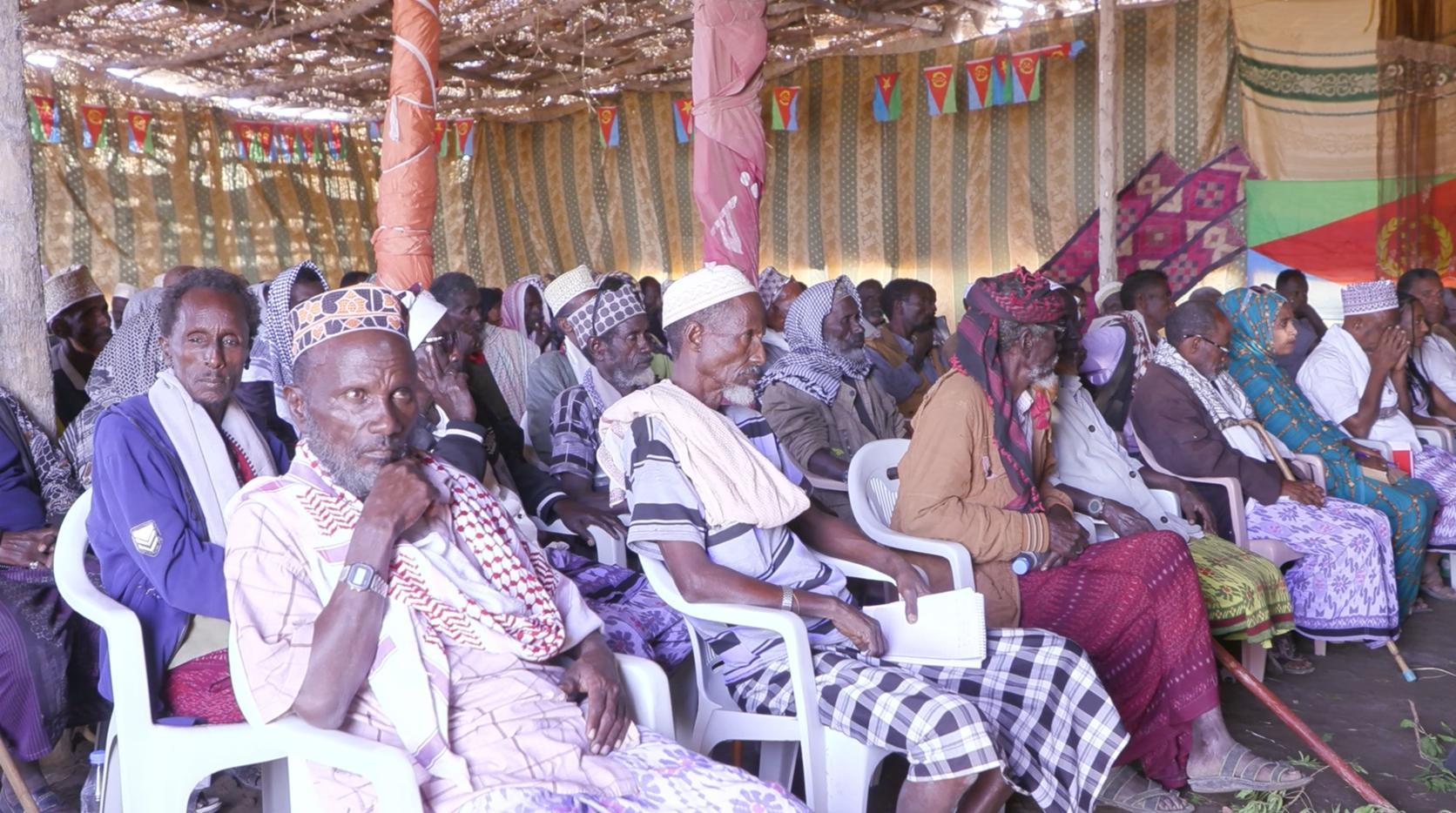
Africa-Press – Eritrea. Assessment meetings chaired by Ms. Fauzia Hashim, Minister of Justice, were conducted in the Northern and Southern Red Sea Regions. The meetings were organized in the port cities of Massawa and Assab.
At the meetings, in which members of the reconciliation committees and sub-zonal administrators took part, it was reported that the program, centered on the traditions and values of society, has made significant contributions to resolving disputes and enjoys wide public acceptance. A call was also made to conduct sustainable awareness-raising activities to ensure the continuity of the program.
Youth who participated in the meetings as moderators on family law and related issues indicated that the event provided them with an opportunity to become familiar with those serving their communities, as well as to better understand the deeply rooted values and living traditions of the Eritrean people.
At the meetings, it was noted that reconciliation is a process that satisfies all parties, ensures lasting solutions to disputes, and promotes enduring harmony and unity by addressing grievances and offenses. These were described as noble values of Eritrean society that should be preserved and transferred to future generations.
In the Northern Red Sea Region, there are 515 reconciliation committees operating in 103 administrative areas, while in the Southern Red Sea Region there are 150 reconciliation committees in 30 administrative areas.
Eritrea has a complex history marked by conflict and a struggle for independence, which has shaped its societal values and traditions. The establishment of reconciliation committees reflects an effort to address past grievances and foster unity among diverse communities. These committees play a crucial role in promoting social cohesion and preserving Eritrea’s cultural heritage, ensuring that future generations inherit a legacy of peace and understanding. The ongoing reconciliation process is vital for the nation’s stability and development.